what every neurodivergent person needs to know
Food, the brain, and the health triangle: what every neurodivergent person needs to know
How nutrition sits at the heart of your physical, mental, and social wellbeing — and why it hits differently when you’re wired differently.
This week we’re diving into something that sits right at the intersection of everything we talk about: the health triangle, neurodiversity, and the extraordinary, underestimated power of what we eat.
A quick recap: what is the health triangle?
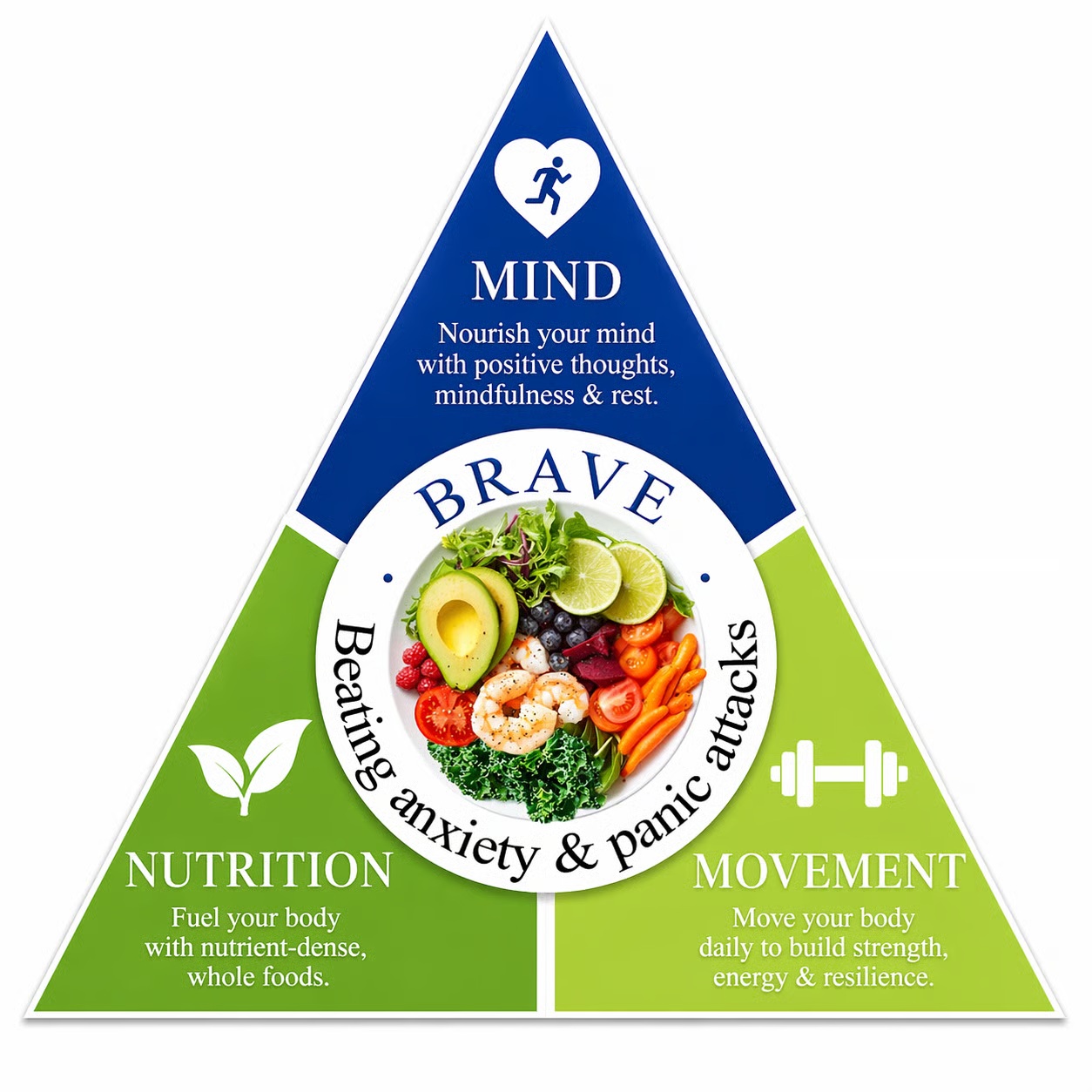
The health triangle is a framework used in health education to show that true wellbeing isn’t just about the absence of illness — it’s about balance across three interconnected dimensions:
Physical health
How your body functions — energy, sleep, digestion, and nutrition.
Mental health
How you think, feel, and cope — mood, focus, resilience, and emotional regulation.
Social health
How you connect — relationships, belonging, communication, and community.
Think of them as three sides of a triangle. Weaken one side, and the whole structure becomes unstable. And here’s the thing — for neurodivergent people, food directly touches all three.

Why neurodivergent brains need a different conversation about food
If you have ADHD, autism, dyslexia, or another neurodivergent profile, you may already know that your relationship with food can be… complicated. It’s not about willpower or discipline — it’s about neurobiology.
Neurodivergent brains are wired to seek dopamine. Food — particularly fast-release carbohydrates and ultra-processed snacks — delivers that hit quickly and reliably. The result? Erratic eating patterns, energy crashes, blood sugar swings, and a cycle that can seriously undermine all three sides of your health triangle.
The gut-brain connection is real. Around 90% of the body’s serotonin is produced in the gut. What you eat directly shapes your mood, focus, and stress response. For neurodivergent individuals — who already face greater challenges with emotional regulation and anxiety — this connection isn’t just interesting. It’s transformative to understand.
Nutrition and each side of the triangle
Let’s break down exactly how nutrition intersects with each dimension of the health triangle — specifically through a neurodivergent lens.
Energy, sleep & the ADHD body – Physical
ADHD medications can suppress appetite, leading to under-eating during the day and over-eating at night. Irregular meals spike and crash blood sugar, worsening fatigue, restlessness, and sleep disruption — all already common in ADHD.
Focus, mood & dopamine – Mental
Protein-rich foods support dopamine and norepinephrine production — the neurotransmitters most affected in ADHD. Omega-3 fatty acids, iron, zinc, and magnesium all play roles in attention, impulse control, and emotional regulation.
Eating together (and the anxiety around it) – Social
Food is deeply social — but for many autistic and ADHD individuals, sensory sensitivities, food aversions, or the unpredictability of eating in social settings creates real anxiety. This can lead to isolation and avoidance, impacting social health profoundly.
The blood sugar triangle – All Three
Unstable blood sugar doesn’t just make you feel tired — it amplifies anxiety, irritability, and brain fog, making every side of the triangle harder to maintain. Stabilising blood sugar with balanced meals is one of the highest-leverage changes a neurodivergent person can make.
Practical nutrition tips for neurodivergent brains
Small, sustainable shifts — not overhauls. Here are five to start with:
-
Eat protein at breakfast. Even something small — eggs, nut butter on toast, Greek yogurt — helps stabilise dopamine and blood sugar from the start of the day.
-
Don’t skip meals, even if you’re not hungry. Medication can mask appetite signals. Set a gentle reminder and aim for something small and nourishing mid-morning and mid-afternoon.
-
Add omega-3s where you can. Oily fish, walnuts, flaxseeds, and chia seeds all support brain health. Even a quality supplement can make a meaningful difference.
-
Reduce ultra-processed foods gradually. These spike blood sugar and drive dopamine-seeking behaviour. You don’t need to cut them overnight — just begin to notice the pattern.
-
Make food low-effort and low-decision. Executive function challenges make cooking hard. Batch cook, keep simple ingredients stocked, and remove as much decision fatigue from mealtimes as possible.
This Newsletter
This newsletter is for everyone, I aim to share information on nutrition, support tools to help with the symptoms of anxiety and panic attacks and recipes to create delicious meals that can provide physical and mental nutrition.
Follow us on TikTok
Every day we post information on nutrition, anxiety, panic attacks and lots more. Follow us on TikTok so you do not miss out.
Coming soon: Nutrition for ADHD — the cookbook
Jen’s brand new book is almost here. Designed specifically for ADHD brains, it’s packed with quick, low-effort, genuinely delicious recipes that support focus, mood, and energy — without overwhelming your executive function. Think: ADHD-friendly meals that actually work for your life.
Being part of this newsletter you will be the first to learn when it drops.
A final word from Jen
If there’s one thing I want you to take from this edition, it’s this: your brain is not broken. It is different — and different brains have different nutritional needs. The health triangle framework reminds us that we can’t pour from an empty cup, and that nourishing your body is not separate from nourishing your mind or your connections with others. It’s all one system.
Food is not a cure. But it is one of the most accessible, powerful levers we have. And with the right knowledge — which is exactly what the new book is all about — it becomes something you can actually use, whatever your brain type.
Until next time, take care of yourself. You’re braver than you think.
Jen Moon
Nutritionist | Author | For the Brave