Introduction
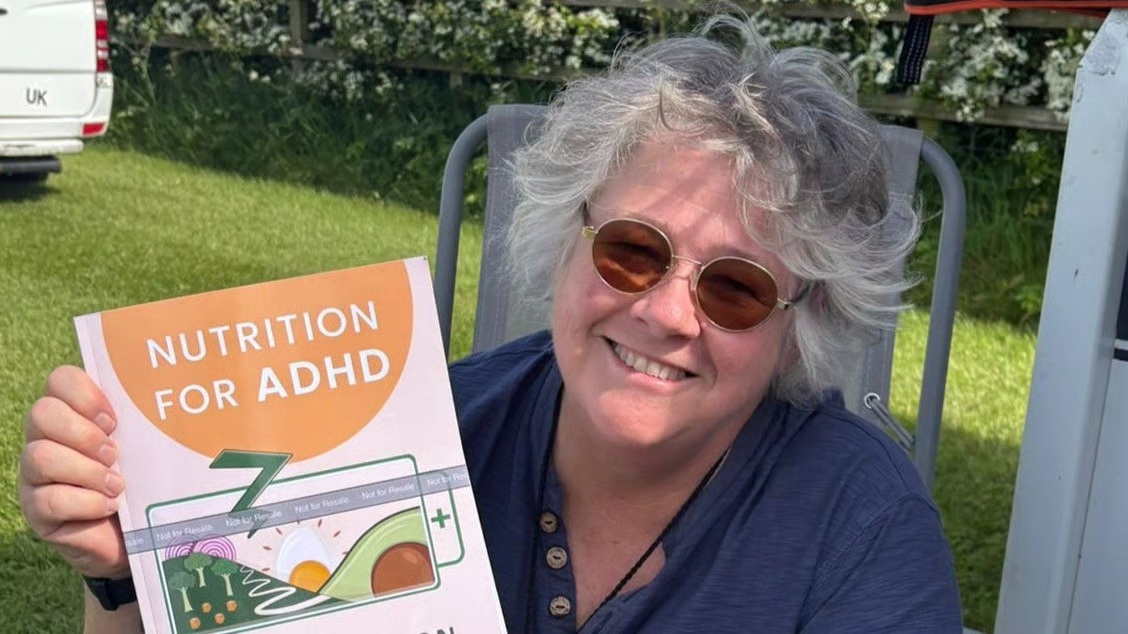
A few people have asked about fish and why it features so heavily in the book Nutrition for ADHD. Here are seven reasons why:
It’s basically a dopamine delivery system. Oily fish (salmon, mackerel, sardines, trout) is one of the richest sources of omega-3 fatty acids. And omega-3s are essentially the grease that keeps your brain’s communication system running smoothly. When levels are low, signals between neurons slow down, get distorted, or don’t arrive at all. For a brain already struggling with dopamine regulation, that’s the last thing you need.
It builds better brain cell membranes The DHA in oily fish is literally incorporated into the structure of your brain cells. It’s part of what makes the membrane flexible enough to send and receive signals properly. Think of it as the difference between a brand new trampoline and one that’s been out in the rain for three years. You want the bouncy one.
It’s one of the only food sources of vitamin D which, as we’ve already established, is the nutrient that sets the blueprint for how your dopamine system is built and maintained. Most of us in the UK are low in it. Oily fish is one of the few foods that actually moves the needle.
It’s loaded with B12 which maintains the myelin sheath, the insulation around your nerve fibres that keeps signals travelling fast and clean. Low B12 is common, particularly if you’re not eating much meat or fish, and the symptoms (brain fog, fatigue, poor memory) look a lot like ADHD getting worse.

It delivers zinc and selenium. Zinc regulates your brain’s response to dopamine, and low zinc is consistently linked to higher impulsivity and inattention. Selenium is a powerful antioxidant that protects neurons from the oxidative stress that ADHD brains, which tend to run at higher metabolic intensity, are particularly vulnerable to. Two birds, one sardine.
It’s high in protein which is where dopamine starts Your brain can’t make dopamine out of thin air. It needs amino acids from protein as the raw material. Fish is a complete protein source, meaning it contains all the essential amino acids your brain needs to get that production line moving. A piece of salmon for dinner is doing more for your focus tomorrow morning than you might think.

Photo by Jonas Allert on Unsplash
Follow us on TikTok
Every day we post information on nutrition, anxiety, panic attacks and lots more. Follow us on TikTok so you do not miss out.
Here is a delicious Salmon with Courgette, Bulgar Wheat and Feta Cheese recipe ideal dinner for a sunny day.
It’s one of the easiest high-nutrition meals you can make, which matters enormously for an ADHD brain. Tinned sardines on toast: ninety seconds. Smoked salmon with scrambled eggs: four minutes. A piece of salmon in a pan with butter and garlic: ten minutes and one washing up item. When your battery is low, fish is the thing that delivers maximum nutrition for minimum effort, and that’s not a small thing. That’s the whole point.
If you’re buying tinned fish, sardines are one of the most nutritionally dense, sustainable, and affordable foods available. They’re also eaten whole, bones and all, which means you get calcium alongside everything else. They taste better than you remember. Give them another chance
This newsletter provides a springboard for a healthy body and mind. Remember, consistency is key!
By incorporating these tips and tricks into your routine, you can cultivate a vibrant and healthy lifestyle that flourishes throughout the year.
Until next time 🙂