
 Vitamin K1 and K2








Vitamin E to beat stress and anxiety
 Vitamin E deficiencies have been linked to increased anxiety, so keeping your levels topped up is important.
Other vitamins, minerals, fats, adaptogens, nootropics, and more that could help fight stress and ease anxiety
Vitamin D to beat stress and anxiety
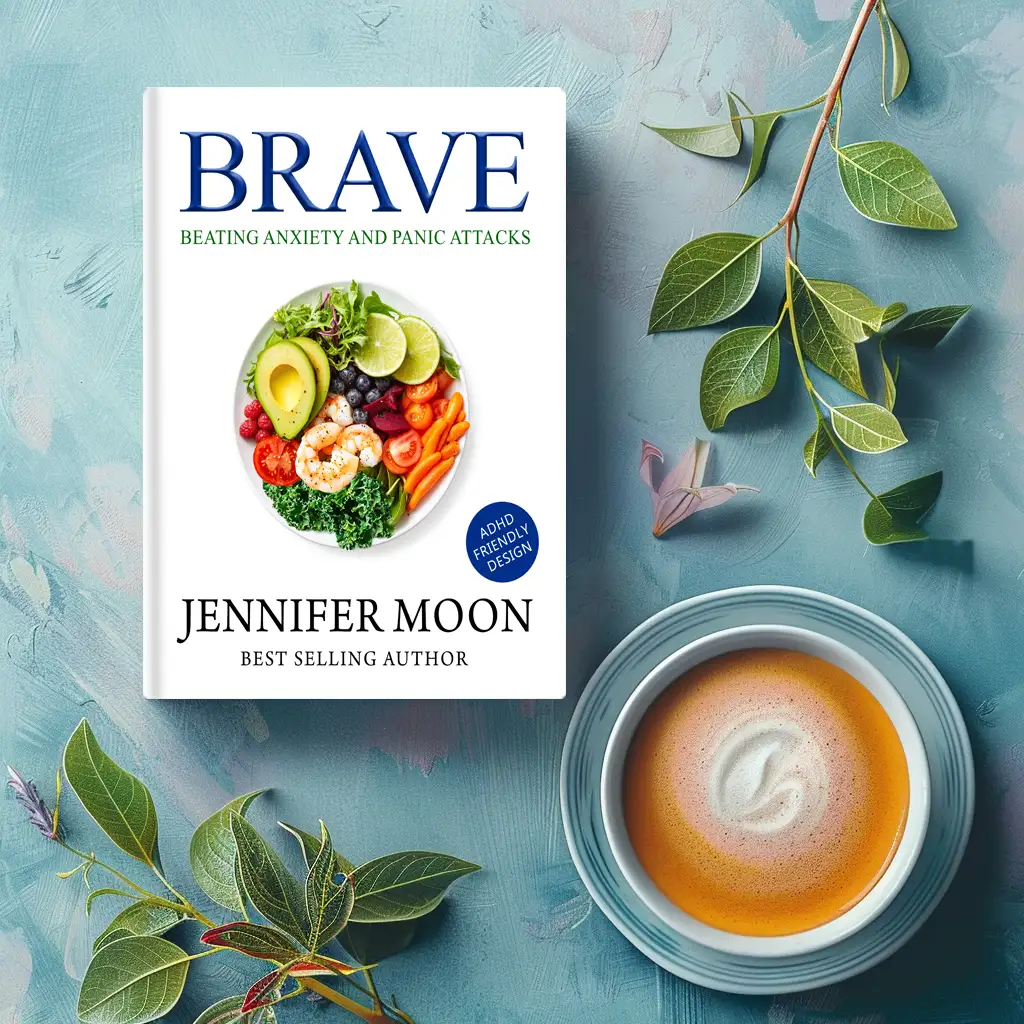
 Vitamin D is essential for keeping our mood in check and helping us feel less stressed and anxious.
Other vitamins, minerals, fats, adaptogens, nootropics, and more that could help fight stress and ease anxiety
Vitamin C to beat stress and anxiety


Other vitamins, minerals, fats, adaptogens, nootropics, and more that could help fight stress and ease anxiety
Vitamin A to beat stress and anxiety
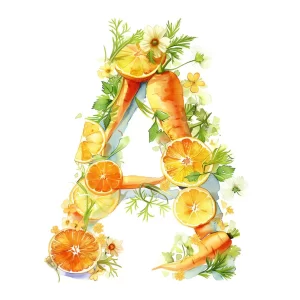 Vitamin A, while not directly linked to anxiety, deficiency has been linked to mood swings.
Other vitamins, minerals, fats, adaptogens, nootropics, and more that could help fight stress and ease anxiety

What’s the difference between nervousness and anxiety?

You may feel nervous during a car journey because the weather is making driving difficult.
You may feel anxious about being late for work because you have to drive so slowly.
What’s the difference between nervousness and anxiety?
We all feel nervous. It’s completely natural. A first date. Opening that exam result. Doing that driving lesson. It’s usually short-lived and goes away once the event is over. When you’re nervous, you might feel butterflies in your stomach, have sweaty palms, or feel your heart beating a bit faster.
Anxiety, on the other hand, is a more persistent feeling of worry, fear, or unease, and it can linger even when there’s no obvious reason to be anxious. For example, there’s nothing in particular regarding that big end-of-year event, just a general feeling of niggling worry. Anxiety can make it hard to concentrate, cause restlessness or irritability, and lead to trouble sleeping. The physical symptoms, like a racing heart or tense muscles, can be similar to nervousness but tend to stick around longer.
Both are totally normal feelings, but if anxiety starts to get in the way of your daily life, it’s probably time to start paying attention to the message it’s trying to send. Namely, your internal management team needs some housekeeping support.
- Intensity:
- Nervousness is usually milder and more temporary.
- Anxiety tends to be more intense and can last longer.
- Cause:
- Nervousness is often linked to a specific event or situation, like a job interview or first date.
- Anxiety can be more generalized and may not always have a clear trigger.
- Impact on daily life:
- Nervousness typically doesn’t interfere significantly with daily activities.
- Anxiety can be more disruptive and may impact a person’s ability to function normally.
- Physical symptoms:
- Nervousness might cause butterflies in the stomach or slight jitters.
- Anxiety can lead to more severe physical symptoms like rapid heartbeat, sweating, or difficulty breathing.
- Duration:
- Nervousness usually passes once the triggering event is over.
- Anxiety can persist and may become chronic if left untreated.
- Control:
- People can often manage nervousness through simple coping strategies.
- Anxiety may require more extensive management techniques or professional help.
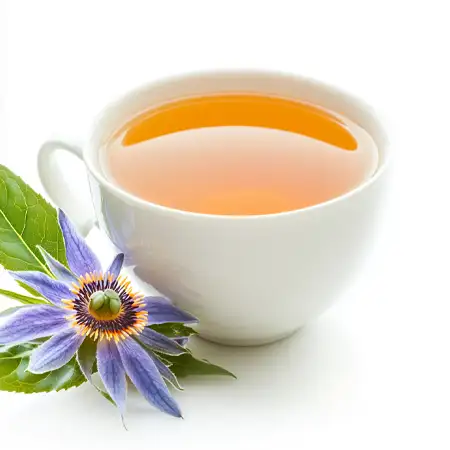
Passionflower tea to beat anxiety
 Passionflower tea to beat anxiety
Passionflower has been used for centuries in herbal medicine to treat anxiety, insomnia, and nervousness. The tea has a mild, earthy flavour with hints of grassiness, making it a pleasant choice for those who enjoy herbal teas. But beyond its flavour, the real magic of passionflower lies in its potential benefits for mental well-being.
How Passionflower Works to Calm Anxiety
The calming effects of passionflower are largely due to the way it helps increase levels of a neurotransmitter called gamma-aminobutyric acid (GABA). GABA is a chemical in the brain that helps regulate mood by reducing the activity of neurons that contribute to feelings of anxiety and stress.
When GABA levels are low, we may feel more tense and anxious. Passionflower helps promote relaxation by boosting GABA levels, which in turn slows down brain activity and creates a sense of calm. This makes it a wonderful option for those looking for a natural way to ease stress and anxiety.
The Science Behind Passionflower for Anxiety
Several studies have explored the potential of passionflower tea to beat anxiety. One study found that passionflower was as effective as some prescription anxiety medications in reducing symptoms of anxiety, but with fewer side effects. Another study noted its effectiveness in helping people feel calmer before surgery, highlighting its short-term calming properties.
While more research is needed, these studies point to promising results, especially for people seeking herbal alternatives for managing anxiety. Traditionally, the leaves and stems of the passionflower plant are harvested and dried to make teas and extracts.
Why Choose Passionflower Tea?
There are many forms of passionflower supplements available, including tinctures, capsules, and extracts. But tea is one of the gentlest and most accessible ways to experience its calming effects. Drinking a cup of warm, soothing passionflower tea can become part of a comforting daily ritual, offering both immediate relaxation and a sense of calm over time.
It’s also a great way to slow down and take a mindful moment for yourself. The simple act of preparing and sipping tea can be a form of self-care, giving you a break from the rush of the day.
Creating a Relaxing Tea Ritual
To maximize the calming benefits of passionflower tea, try creating a relaxing tea ritual:
- Set the mood – Find a quiet spot where you can sit and enjoy your tea without distractions.
- Use your senses – As you prepare the tea, pay attention to the warm aroma as the leaves steep. Take a few deep breaths to help relax your body.
- Sip slowly – As you drink, take your time, and let the warmth of the tea soothe your mind and body.
How to Use Passionflower Tea for Anxiety
For best results, try drinking Passionflower tea to beat anxiety in the evening when you’re winding down. You can enjoy it 30–60 minutes before bedtime to help ease stress and prepare your body for a good night’s sleep. Some people also find it helpful during particularly stressful moments in the day. The general recommendation is 1 to 2 cups per day.
It’s important to note that while passionflower tea is generally considered safe for most people, it’s always a good idea to consult with your healthcare provider before adding any new herbal remedy to your routine, especially if you’re taking medication or are pregnant.

The power of the third state – Tend and Befriend

Welcome to our site

Important: Why AI Nutritional Advice for ADHD/AuDHD Isn’t a Safe Substitute
(Plus, What to Do Instead) As a qualified nutritionist, I do use AI…
Read More

ADHD & Processed Foods
5 Everyday Foods That Can Quietly Worsen Symptoms Most conversations about ADHD focus…
Read More

ADHD Diet For Adults:
Foods to Eat and Avoid A good ADHD diet is well-balanced, with a…
Read More
Advance reviews
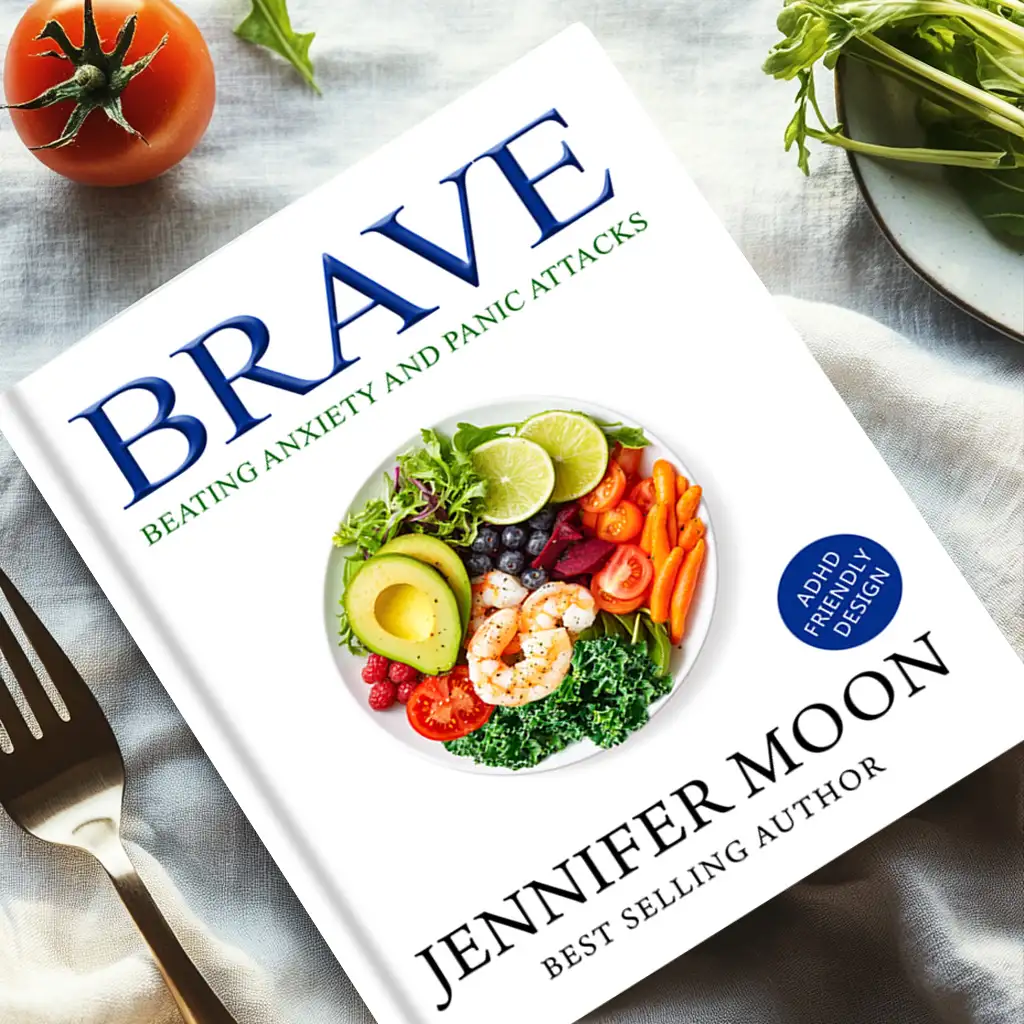
A small collection of reviews from some wonderful readers who received advance copies.
 Millificent: We know we’ve got to eat less meat to save the planet. But if we all end up in hospital or needing long term health care because we’ve f****d up our health, that has its own environmental cost, doesn’t it? I’ve ordered copies of this book for family and friends. I only hope they read it and enjoy it as much as I did. U can lead a horse to water and all that…
Meg Tully: I wanted to eat healthier meals, but I never seemed to manage. I’d start out full of optimism, but by week five or six I’d be running out of ideas, and I’d be questioning myself. This book has been EXACTLY what I wanted because it’s shown me what nutrients the meals delivered. It’s removed so many of my doubts and worries.
Susan Strutte: I was given this book for my vegan daughter to read. She had been suffering from dizzy spells, and I was concerned she was not getting sufficient nutrition in her diet. Within weeks of following these delicious recipes, she is feeling and looking a lot healthier and find the meals easy to create.
Rachel Lior: The recipe design is inspired. I am not one for reading a whole book. Sure, I intend to, but more often I glance at a couple of recipes, make some of them, then I’m done. I know this is rare, but jen’s book has a very different approach, and it works. If you hate the idea of another book about anxiety that you probably won’t read, give this one a chance.
Andrew C: The cost of this book is paid for ten times over through the info on one single page alone. The boom page. Life-changing. For me, all the other pages are just bonuses. If you battle with anxiety and panic attacks, get this book.
Mari Ngonye: I’ve struggled with panic attacks for the last five years and to be honest, kind of figured this was going to it for the rest of my life. Not only are there loads of approaches specifically to help shorten or even stop panic attacks, which alone is worth it’s weight in gold, it explained so much. I am now in a much, much better place and can genuinely begin to see a spot of hope.
Grace: If I could give this book ten stars I would. When I was asked if I’d like to read it, I confess I was in two minds. I liked the idea behind the book, but I didn’t think I would be able to commit the energy needed.I was so wrong! It was funny, clever, and so easy to read. And did it help with anxiety? OMG YES! My son suffers with panic attacks, and we now have a collection of tools that actually work to help make them pass quicker, and have less of an impact. If you struggle with anxiety, panic attack, depression, do yourself a favour and get this book as soon as you can.
Lynn T: Jen gave me this book to read to help my foster daughter with her panic attacks. Wow! It has genuinely been life-changing. But not just for her, for my entire family. There is no question about it, we now eat healthier meals, do more to combat stress, and can say we truly do lead happier, less rushed lives. Best of all, and I am not just saying this, the information has been so incredibly easy to absorb and take on board, it took next to zero effort.
Bev Varley: By just adding three suggested ingredients to boost my normal recipes, I had the comfort of knowing that all the nutrient groups were covered. Not only was it nutritious, it was delicious too. The book was informative; easy to use and above all else, it has given me confidence that I can ensure I am eating the right foods to stay healthy and increase my longevity. This should be every cook’s new bible, a long-awaited but crucial addition to the literature on healthy eating!
Sarah E: I was given this book to read in order to get my review. To be honest, I felt a little awkward about it because I dreaded having to lie and tell Jen I loved it, when I didn’t. Luckily, there has been zero need for lies. If you or anyone in your family struggles with depression, anxiety, stress, panic attacks, high blood sugar, and wants to do everything they can to tips the odds of healing in their favour, GRAB THIS BOOK. I promise, you won’t regret it.
Charles: Very impressive, extremely informative and knowledgeable.
Johanna J Jordan: I wanted to eat healthier, get more protein, but I didn’t want to end up making two different meals, one for me, another for the family. So I just stuck to what I knew but felt uncomfortable about it. I leapt at the chance to read an advance copy and I am so glad I did. I feel much more confident about my food choices, and the flexi suggestions are so helpful because my husband doesn’t want to give up meat.
Dr Ayesha Ashraf, clinical psychologist Well written, comprehensive information related to panic attacks, anxiety and stress. The contemporary approaches used in conjunction with psychotherapy are highlighted on point. The use of analogy to explain stress developing into anxiety and panic attacks is beautifully mentioned to be easily grasped by the layman.”