26Jun

What If You Could Watch Your Brain Calm Down? 🧠⚡

The science behind nutrition, brainwaves, and what a bespoke plan might actually do for your ADHD.

I came across an EEG image this week — shared by Leanne Maskell on LinkedIn — that stopped me in my tracks. 🛑

It showed brain activity frequencies tracked in real time. Chaotic spikes. Wild amplitude swings. A signal that looks like it can’t quite decide where to go.

And my first thought? That’s exactly what it feels like on the inside.

If you have ADHD, you know the feeling I’m talking about. Not just “a bit distracted.” That full-body, can’t-settle, brain-running-on-200-tabs experience.

But here’s the question that’s been living rent-free in my head ever since I saw that image:


What if we could watch that graph change?
👀

What if you took someone with ADHD, built them a truly bespoke nutrition plan — one that addressed their specific deficiencies, stabilised their blood sugar, supported their gut-brain axis — and then reimaged their brain at 4 weeks, 8 weeks, 12 weeks?

I believe you’d see something shift.

Not a neurotypical brain. Not a “fixed” brain. But a less chaotic one. Peaks a little less jagged. Signal a little more consistent.

And for those of us living inside those spikes? Even a little less chaos is a big deal. 💛

Here’s the science bit 🔬

When I look at that EEG image, I see four key nutrients written all over it:

Iron

Low iron = less dopamine available = poorer signal regulation. That dysregulation? You can see it right there on the graph.

Zinc

Zinc regulates how your brain responds to the dopamine it does have. Too little zinc and the response becomes unpredictable. Those wild amplitude swings? Zinc is directly involved in smoothing them out.

Magnesium

Helps quiet down an over-excited nervous system. Low magnesium is one of the most consistent findings in ADHD research — and its effect on chaotic brainwave activity is genuinely significant.

DHA (Omega-3)

More DHA = signals travel more efficiently between neurons. Less DHA = the communication system becomes sluggish and erratic. Both show up in brainwave patterns.

A quick note, because I want to be honest with you: nutrition can’t “fix” ADHD. It can’t rewire the fundamental architecture of a neurodivergent brain — and it was never going to. That is not what this is about. 💙

What nutrition can do is give your brain the raw materials it needs to function at its best. To reduce the unnecessary chaos. To support the systems that are already there.

Follow us on TikTok

Every day we post information on nutrition, anxiety, panic attacks and lots more. Follow us on TikTok so you do not miss out.

Imagine a 12-week nutrition journey… 🗓️

Here’s what I’d love to explore. What if we tracked this properly?

Week 1–2

Baseline assessment. Identify specific deficiencies, blood sugar patterns, gut health, neuroinflammation markers. No guessing — your plan.

Week 4

First reimage. Have iron, zinc, and magnesium levels begun to shift? Is the gut-brain axis starting to settle? Are you sleeping even slightly better?

Week 8

Mid-point check-in. DHA levels take time to build. But by now? Your nervous system has had weeks of genuine nutritional support. What does the graph look like?

Week 12

Final reimage. I genuinely believe you’d see something different. Not a neurotypical brain — but yours, with less unnecessary chaos getting in the way.

🌟 Less chaos. Same brilliant brain.

That’s the goal. Not to change who you are. To help you access more of what’s already there — without fighting through so much static to get to it.

What this means for you 💬

If you’ve been wondering whether nutrition could genuinely make a difference for your ADHD — not in a vague “eat more vegetables” way, but in a targeted, personalised, evidence-informed way — this is exactly what my work is built around.

Because you deserve more than generic advice. You deserve a plan that actually sees your brain.

Ready to explore what bespoke nutrition could do for you?

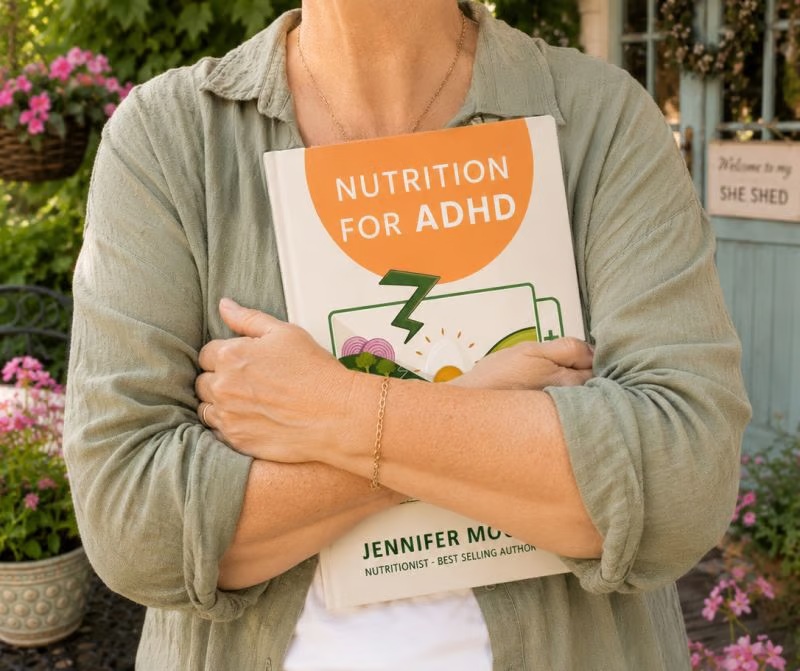
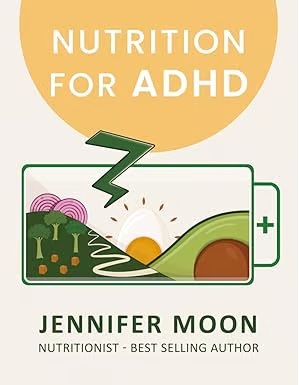
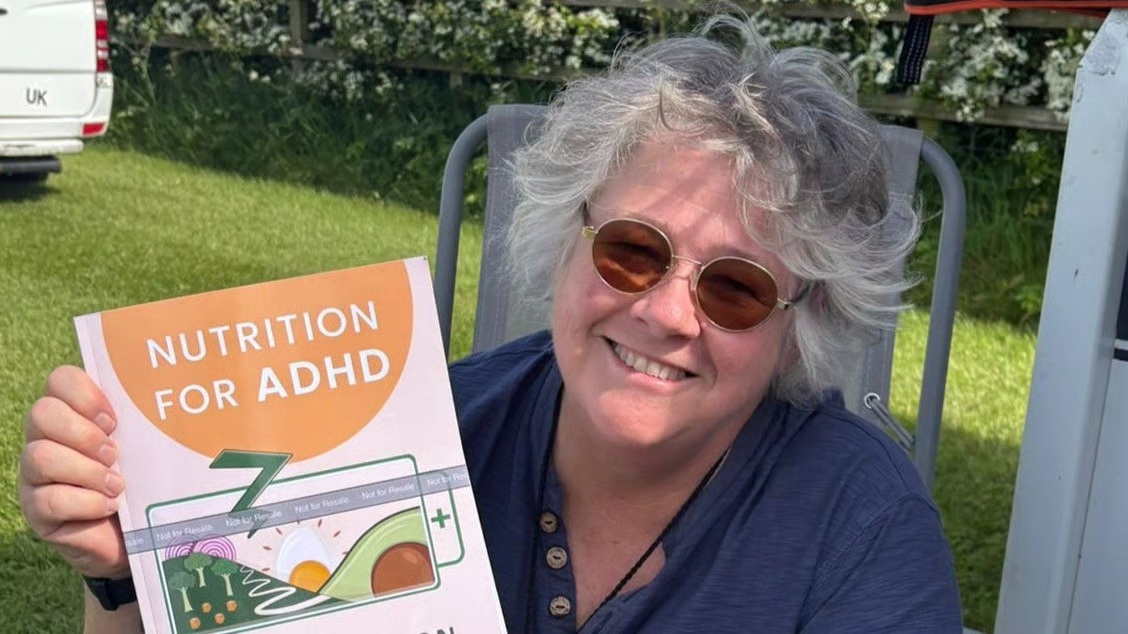
My book, Nutrition for ADHD, is the starting point. And if you want to go deeper — I’m here for that too.
18Jun

Fish!

Introduction

A few people have asked about fish and why it features so heavily in the book Nutrition for ADHD. Here are seven reasons why:

It’s basically a dopamine delivery system. Oily fish (salmon, mackerel, sardines, trout) is one of the richest sources of omega-3 fatty acids. And omega-3s are essentially the grease that keeps your brain’s communication system running smoothly. When levels are low, signals between neurons slow down, get distorted, or don’t arrive at all. For a brain already struggling with dopamine regulation, that’s the last thing you need.

It builds better brain cell membranes The DHA in oily fish is literally incorporated into the structure of your brain cells. It’s part of what makes the membrane flexible enough to send and receive signals properly. Think of it as the difference between a brand new trampoline and one that’s been out in the rain for three years. You want the bouncy one.

It’s one of the only food sources of vitamin D which, as we’ve already established, is the nutrient that sets the blueprint for how your dopamine system is built and maintained. Most of us in the UK are low in it. Oily fish is one of the few foods that actually moves the needle.

It’s loaded with B12 which maintains the myelin sheath, the insulation around your nerve fibres that keeps signals travelling fast and clean. Low B12 is common, particularly if you’re not eating much meat or fish, and the symptoms (brain fog, fatigue, poor memory) look a lot like ADHD getting worse.

It delivers zinc and selenium. Zinc regulates your brain’s response to dopamine, and low zinc is consistently linked to higher impulsivity and inattention. Selenium is a powerful antioxidant that protects neurons from the oxidative stress that ADHD brains, which tend to run at higher metabolic intensity, are particularly vulnerable to. Two birds, one sardine.

It’s high in protein which is where dopamine starts Your brain can’t make dopamine out of thin air. It needs amino acids from protein as the raw material. Fish is a complete protein source, meaning it contains all the essential amino acids your brain needs to get that production line moving. A piece of salmon for dinner is doing more for your focus tomorrow morning than you might think.

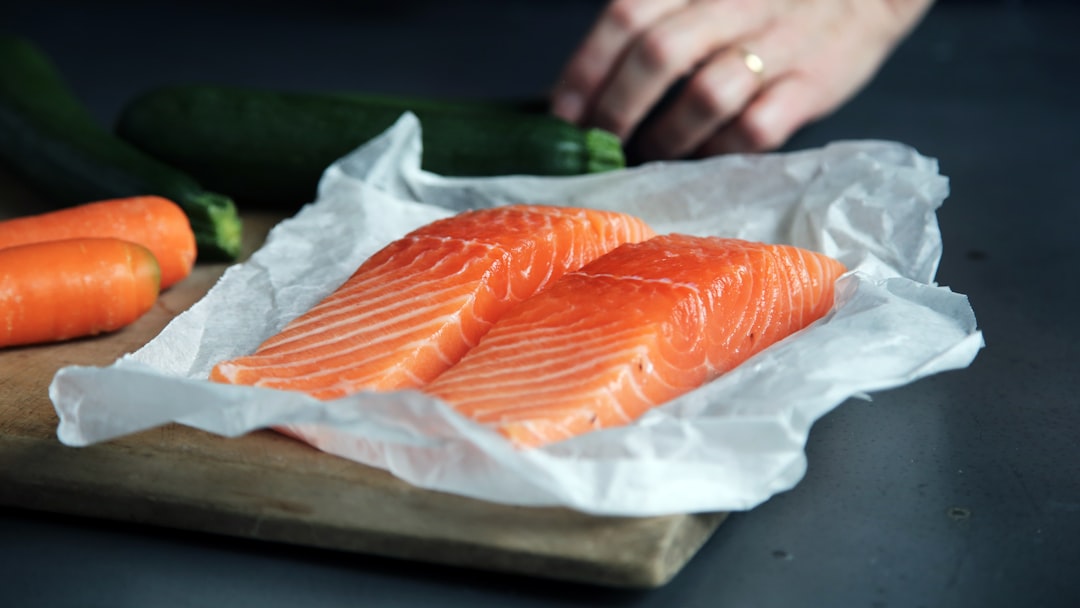
Photo by Jonas Allert on Unsplash

Follow us on TikTok

Every day we post information on nutrition, anxiety, panic attacks and lots more. Follow us on TikTok so you do not miss out.

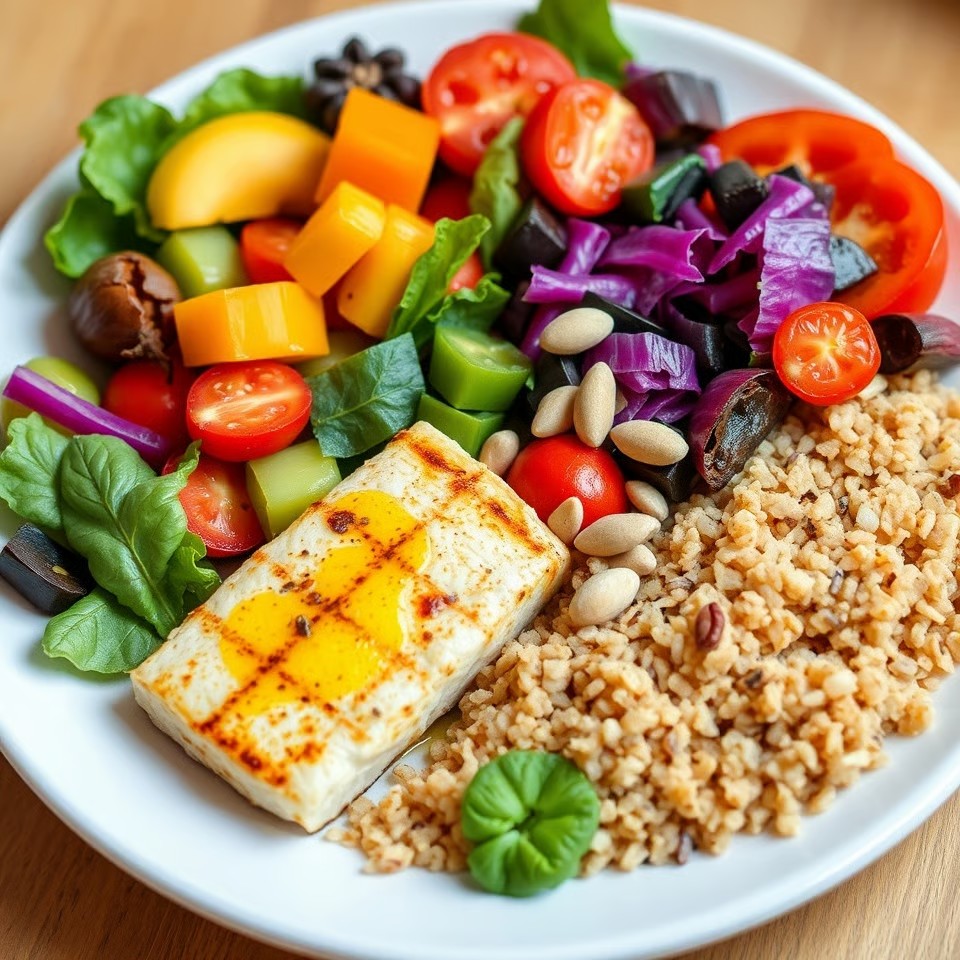
Here is a delicious Salmon with Courgette, Bulgar Wheat and Feta Cheese recipe ideal dinner for a sunny day.

It’s one of the easiest high-nutrition meals you can make, which matters enormously for an ADHD brain. Tinned sardines on toast: ninety seconds. Smoked salmon with scrambled eggs: four minutes. A piece of salmon in a pan with butter and garlic: ten minutes and one washing up item. When your battery is low, fish is the thing that delivers maximum nutrition for minimum effort, and that’s not a small thing. That’s the whole point.

If you’re buying tinned fish, sardines are one of the most nutritionally dense, sustainable, and affordable foods available. They’re also eaten whole, bones and all, which means you get calcium alongside everything else. They taste better than you remember. Give them another chance

This newsletter provides a springboard for a healthy body and mind. Remember, consistency is key!

By incorporating these tips and tricks into your routine, you can cultivate a vibrant and healthy lifestyle that flourishes throughout the year.

Until next time 🙂

11Jun

It’s out. And I’m still processing that. 🧠

The book is live — and I need 33 more of you 🙏

It happened.

Nutrition for ADHD is live on Amazon. I can click the link. It has a cover. It has pages. It has 17 reviews from real humans who read it and took the time to say something kind (and honest) about it.

I have been staring at those 17 reviews like they’re a dopamine drip. Because honestly? They are.

What the book actually is

It’s not a diet plan. It’s not a list of foods to avoid. It’s not a “just eat more leafy greens” situation.

It’s the book I wish I’d had when I was trying to figure out why my brain felt like it was running on dial-up even on the days I was technically doing everything right.

It covers:

  • Why ADHD brains need different nutritional support (and what the research actually says)

  • The specific nutrients that directly affect dopamine, focus, sleep, and executive function

  • How to eat in a way that works with your ADHD — not against it

  • What to do on the low-energy, low-executive-function days when cooking feels like climbing Everest

It is practical. It is specific. It has numbers in it, because vague advice doesn’t work for ADHD brains and it doesn’t work for me either.

Here’s the bit where I ask you for something 🙏

17 reviews. That’s where we are. My target is 50.

Reviews are the fuel that makes Amazon’s algorithm actually notice a book exists. Without them, the book sits in the dark. With them, it starts finding the people who genuinely need it.

If you were part of the launch squad and got an advance copy — this is your moment. It takes about four taps and two minutes.

The mission:

Tap 2 → Tap the stars (whatever rating feels honest — I mean that)

Tap 3 → Type your sentence. Or borrow one of these and make it yours — just make sure Amazon knows you received a free advance copy:

Tap 4 → Submit.

Done. You’ve helped an ADHD brain find a book that might actually change how they feel. 🧠

Please remember to keep the disclosure line in the review – I received an early complimentary copy of this book and am sharing my genuine opinion.

Why this matters (beyond the numbers)

Every person who finds this book and uses it is one less person spending years trying random supplements, eating plans and advice that wasn’t built for how their brain works.

That’s the whole reason I wrote it.

33 reviews to go. I know you’ve got this. 💛

Jen

This Newsletter

This newsletter is for everyone, I aim to share information on nutrition, support tools to help with the symptoms of anxiety and panic attacks and recipes to create delicious meals that can provide physical and mental nutrition.

Follow us on TikTok

Every day we post information on nutrition, anxiety, panic attacks and lots more. Follow us on TikTok so you do not miss out.

28May

It’s happening! ADHD Recipes launches 9th June — and I have feelings 🥹

The Book You Have all Been Waiting For

Well. Where do I even begin?

I’m sitting here, trying to write this newsletter, and honestly? I’m a little bit overwhelmed. In the best possible way. The kind of overwhelmed where you ugly-cry into your protein shake and feel absolutely fine about it.

Nutrition for ADHD launches on Amazon on the 9th June. 🎉

I’ve been sitting on that sentence for weeks and it still doesn’t feel entirely real.

The launch squad has spoken — and I’m not crying, you’re crying

A little while back, I gave my wonderful launch squad early access to the book. These are the people who volunteered their time, their brains, and their honest opinions — and I am so grateful for every single one of them.

The feedback has come flooding in, and I genuinely didn’t know what to expect. Would people get it? Would it land the way I hoped? Would the format work for ADHD brains that tend to nope out halfway through chapter one?

Here’s what they said…

“This is a phenomenal book — I skimmed it in one go and now will be going back to digest it. The format is really great Jen and I’m really enjoying the content. I’m learning so much!”

“I’ve been living life by trial and error. With an ADHD brain and also autism. And one thing I (finally) figured out 6 months ago is that I have to have a protein shake first thing in the morning. When I read about protein in the AM, I was like 🤯. I wish someone had known to tell me that before I was almost 40 years old!!”

Can we just sit with that for a moment? Almost 40 years old. Almost 40. That’s what happens when no one puts the right information in front of us in a way our brains can actually absorb it. That’s exactly why I wrote this book.

“I honestly didn’t know the importance of protein, except as a vague concept — so that was an ‘I wish I’d known that sooner’. And then just the clear way you describe what’s going on in our brains. I’ve never seen that anywhere else and it’s so helpful. It’s the first thing that’s really shown me how this is a proper difference in my brain as opposed to non-ADHD brains — and it’s actually very comforting and validating.”

“Yes! It’s so easy to read, isn’t it. I was worried my brain would switch off but it’s really interesting — because it’s so rare to read such clear information about how our brains and bodies work, specifically to ADHD.”

“The more I read, the more I learn and I’m loving it! I know quite a few friends that I will be buying the book for.”

I need a moment. 😭

A note from me (a slightly wobbly, very grateful me)

I am overwhelmed — in the most wonderful way — by the response to this book.

If you’re part of the launch squad: thank you. From the bottom of my heart, thank you for taking the time to download it, read it, and share your thoughts. You have no idea how much it means. Genuinely.

I’m making a few small tweaks to the finished book based on your feedback — because this community deserves the very best version I can give them — but I am absolutely hitting that 9th June launch date on Amazon. Come hell or high water (and believe me, with an ADHD brain, there’s always a bit of both 😅).

Follow us on TikTok

Every day we post information on nutrition, anxiety, panic attacks and lots more. Follow us on TikTok so you do not miss out.

Mark it in your calendar. Set a reminder. Tell a friend.

Monday 9th June. Nutrition for ADHD. Amazon. 🚀

I’ll be back very soon with the link and all the details.

With so much love and gratitude,

Jen 💛

P.S. If you know someone who has spent years just guessing — trial and error, surviving rather than thriving — please share this with them. They’ve waited long enough.

Jen Moon
Nutritionist | Author | For the Brave

07May

Launch Squad Needed

Find out how to get a free copy of my new book

🚀 My ADHD Recipe book is launching soon and I need A LAUNCH SQUAD!

Here’s the deal:
Join the Launch Squad and get early access to download the book for FREE
• Read it before anyone else
• When we hit Amazon, drop an honest review and help us make some noise
• You’ll be added to an exclusive WhatsApp group where we’ll keep you in the loop on everything — what’s happening, when, and exactly what to do

If you can do this and support it would be amazing.
Ready to be part of it?
👉 Complete the form at the link to claim your spot.

https://docs.google.com/forms/d/e/1FAIpQLSdVncf9abVHznOSgb1z-A3EWG53kM_nPR3YNSWQja8IOVwE4A/viewform
Spaces are limited. Let’s do this together. 🔥
Thanks Jen

This Newsletter

This newsletter is for everyone, I aim to share information on nutrition, support tools to help with the symptoms of anxiety and panic attacks and recipes to create delicious meals that can provide physical and mental nutrition.

Follow us on TikTok

Every day we post information on nutrition, anxiety, panic attacks and lots more. Follow us on TikTok so you do not miss out.

Coming soon: Nutrition for ADHD — the cookbook

Jen’s brand new book is almost here. Designed specifically for ADHD brains, it’s packed with quick, low-effort, genuinely delicious recipes that support focus, mood, and energy — without overwhelming your executive function. Think: ADHD-friendly meals that actually work for your life.

Being part of this newsletter you will be the first to learn when it drops.

Until next time, take care of yourself. You’re braver than you think.

Jen Moon
Nutritionist | Author | For the Brave

23Apr

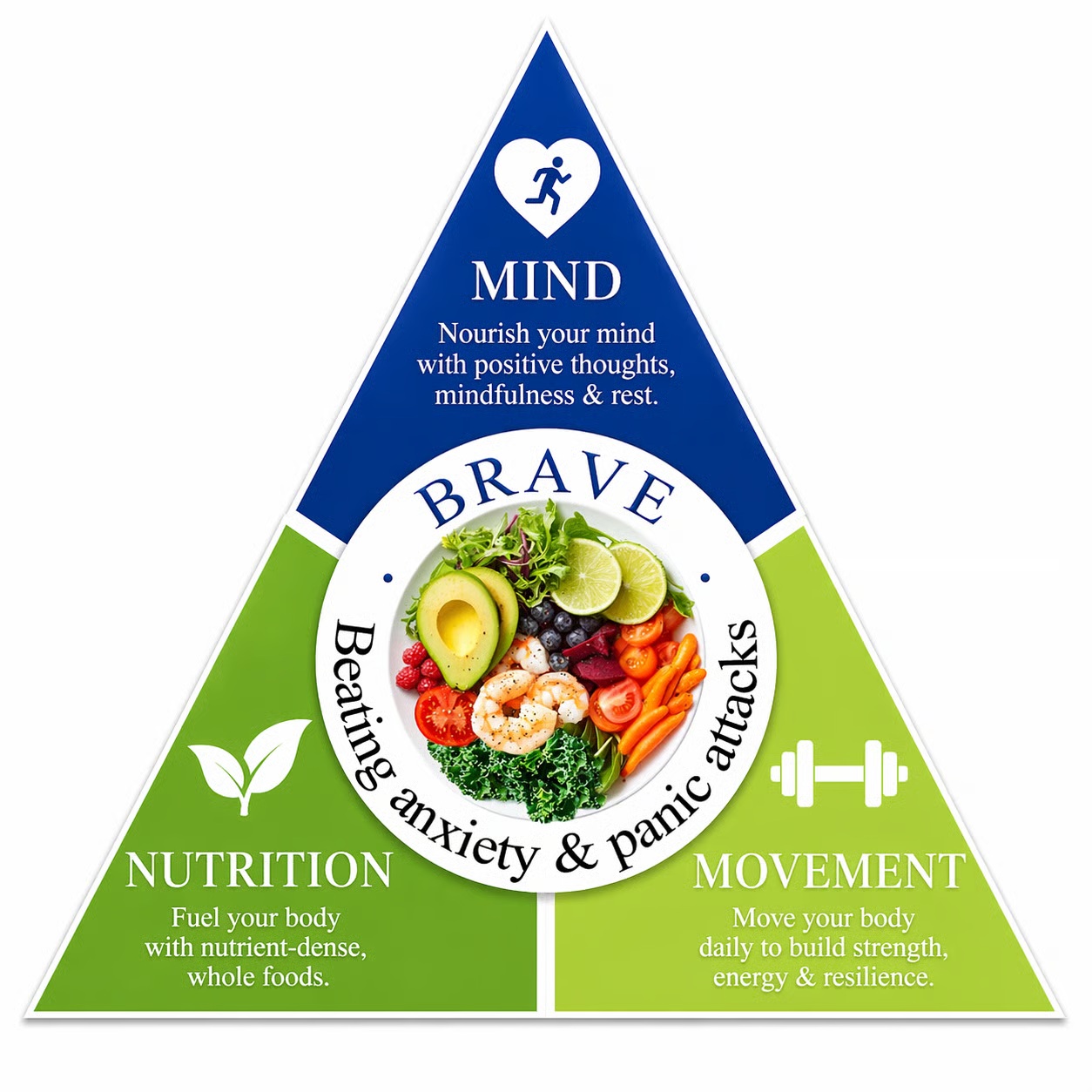
Food, the brain, and the health triangle:

what every neurodivergent person needs to know

Food, the brain, and the health triangle: what every neurodivergent person needs to know

How nutrition sits at the heart of your physical, mental, and social wellbeing — and why it hits differently when you’re wired differently.

This week we’re diving into something that sits right at the intersection of everything we talk about: the health triangle, neurodiversity, and the extraordinary, underestimated power of what we eat.

A quick recap: what is the health triangle?

The health triangle is a framework used in health education to show that true wellbeing isn’t just about the absence of illness — it’s about balance across three interconnected dimensions:

Physical health

How your body functions — energy, sleep, digestion, and nutrition.

Mental health

How you think, feel, and cope — mood, focus, resilience, and emotional regulation.

Social health

How you connect — relationships, belonging, communication, and community.

Think of them as three sides of a triangle. Weaken one side, and the whole structure becomes unstable. And here’s the thing — for neurodivergent people, food directly touches all three.

Why neurodivergent brains need a different conversation about food

If you have ADHD, autism, dyslexia, or another neurodivergent profile, you may already know that your relationship with food can be… complicated. It’s not about willpower or discipline — it’s about neurobiology.

Neurodivergent brains are wired to seek dopamine. Food — particularly fast-release carbohydrates and ultra-processed snacks — delivers that hit quickly and reliably. The result? Erratic eating patterns, energy crashes, blood sugar swings, and a cycle that can seriously undermine all three sides of your health triangle.

The gut-brain connection is real. Around 90% of the body’s serotonin is produced in the gut. What you eat directly shapes your mood, focus, and stress response. For neurodivergent individuals — who already face greater challenges with emotional regulation and anxiety — this connection isn’t just interesting. It’s transformative to understand.

Nutrition and each side of the triangle

Let’s break down exactly how nutrition intersects with each dimension of the health triangle — specifically through a neurodivergent lens.

Energy, sleep & the ADHD body – Physical

ADHD medications can suppress appetite, leading to under-eating during the day and over-eating at night. Irregular meals spike and crash blood sugar, worsening fatigue, restlessness, and sleep disruption — all already common in ADHD.

Focus, mood & dopamine – Mental

Protein-rich foods support dopamine and norepinephrine production — the neurotransmitters most affected in ADHD. Omega-3 fatty acids, iron, zinc, and magnesium all play roles in attention, impulse control, and emotional regulation.

Eating together (and the anxiety around it) – Social

Food is deeply social — but for many autistic and ADHD individuals, sensory sensitivities, food aversions, or the unpredictability of eating in social settings creates real anxiety. This can lead to isolation and avoidance, impacting social health profoundly.

The blood sugar triangle – All Three

Unstable blood sugar doesn’t just make you feel tired — it amplifies anxiety, irritability, and brain fog, making every side of the triangle harder to maintain. Stabilising blood sugar with balanced meals is one of the highest-leverage changes a neurodivergent person can make.

Practical nutrition tips for neurodivergent brains

Small, sustainable shifts — not overhauls. Here are five to start with:

  • Eat protein at breakfast. Even something small — eggs, nut butter on toast, Greek yogurt — helps stabilise dopamine and blood sugar from the start of the day.

  • Don’t skip meals, even if you’re not hungry. Medication can mask appetite signals. Set a gentle reminder and aim for something small and nourishing mid-morning and mid-afternoon.

  • Add omega-3s where you can. Oily fish, walnuts, flaxseeds, and chia seeds all support brain health. Even a quality supplement can make a meaningful difference.

  • Reduce ultra-processed foods gradually. These spike blood sugar and drive dopamine-seeking behaviour. You don’t need to cut them overnight — just begin to notice the pattern.

  • Make food low-effort and low-decision. Executive function challenges make cooking hard. Batch cook, keep simple ingredients stocked, and remove as much decision fatigue from mealtimes as possible.

This Newsletter

This newsletter is for everyone, I aim to share information on nutrition, support tools to help with the symptoms of anxiety and panic attacks and recipes to create delicious meals that can provide physical and mental nutrition.

Follow us on TikTok

Every day we post information on nutrition, anxiety, panic attacks and lots more. Follow us on TikTok so you do not miss out.

Coming soon: Nutrition for ADHD — the cookbook

Jen’s brand new book is almost here. Designed specifically for ADHD brains, it’s packed with quick, low-effort, genuinely delicious recipes that support focus, mood, and energy — without overwhelming your executive function. Think: ADHD-friendly meals that actually work for your life.

Being part of this newsletter you will be the first to learn when it drops.

A final word from Jen

If there’s one thing I want you to take from this edition, it’s this: your brain is not broken. It is different — and different brains have different nutritional needs. The health triangle framework reminds us that we can’t pour from an empty cup, and that nourishing your body is not separate from nourishing your mind or your connections with others. It’s all one system.

Food is not a cure. But it is one of the most accessible, powerful levers we have. And with the right knowledge — which is exactly what the new book is all about — it becomes something you can actually use, whatever your brain type.

Until next time, take care of yourself. You’re braver than you think.

Jen Moon
Nutritionist | Author | For the Brave

16Apr

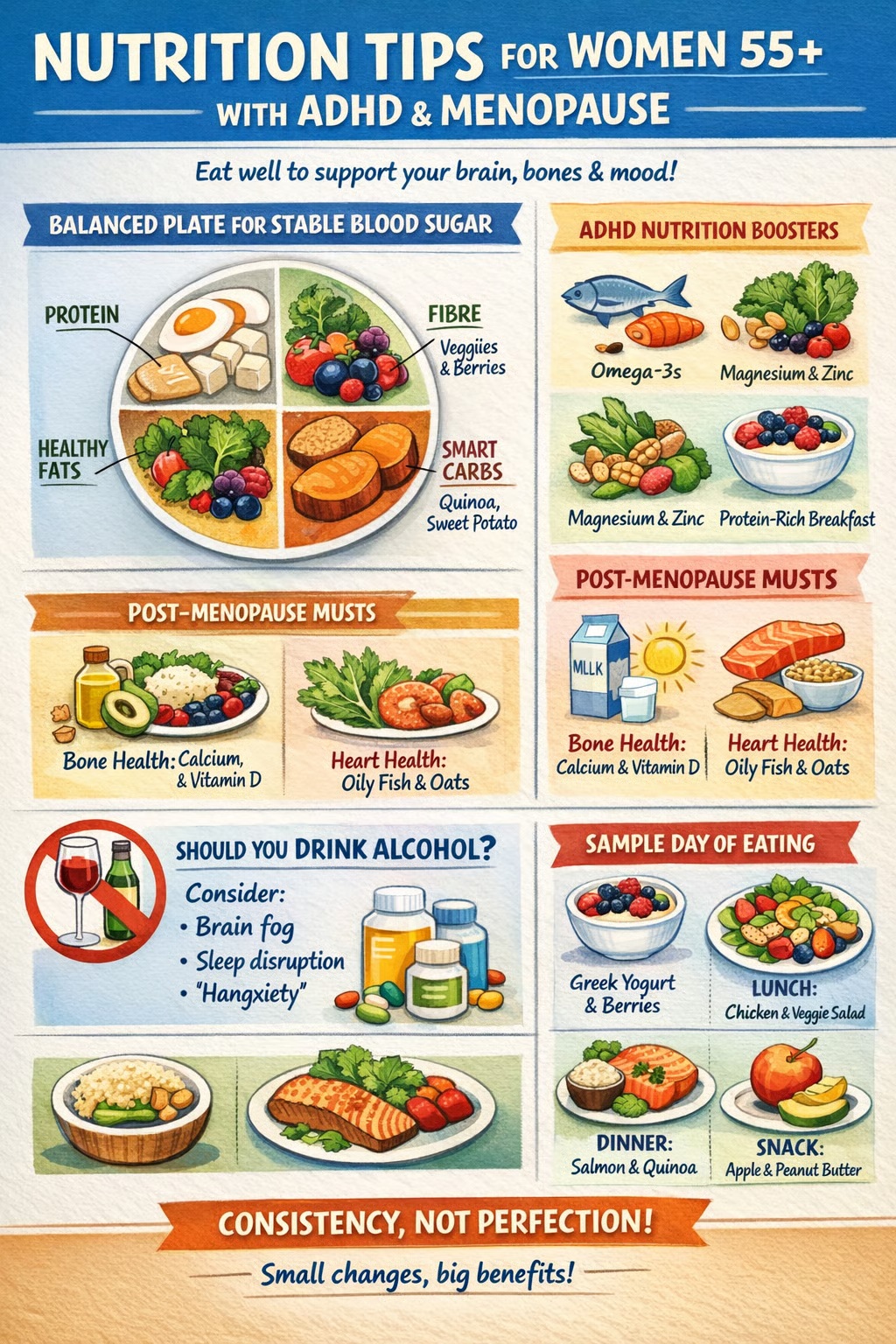
Nutrition for Post-Menopausal Women with Late-Diagnosed ADHD

What does your nutrition look like?

If you are a post-menopausal woman navigating life with a late ADHD diagnosis, you’re not alone in noticing that food, energy, focus, mood, and even alcohol tolerance can feel very different now compared to earlier decades.

The good news is that nutrition can genuinely support brain function, hormone stability, and day-to-day ADHD management. The key is not a “perfect diet”, but a steady, blood-sugar-friendly, brain-supportive approach that works with your biology—not against it.

🧠 1. What your body is dealing with right now

At this stage of life, three major shifts overlap:

  • Post-menopause: lower oestrogen affects mood, bone density, and brain neurotransmitters (including dopamine)

  • ADHD: dopamine regulation affects focus, motivation, impulsivity, and reward-seeking (including cravings)

  • Ageing metabolism: muscle mass naturally declines, and blood sugar regulation can become less stable

This combination means that energy crashes, brain fog, and emotional dysregulation are often biological, not behavioural.

🥗 2. The most important nutrition principle: steady blood sugar

For ADHD brains especially, the biggest “nutrition win” is stable glucose levels.

Aim for:

  • Protein at every meal

  • Fibre-rich carbohydrates

  • Healthy fats

  • Minimal ultra-processed “quick spike” foods

Simple plate guide:

  • 🥚 Protein: eggs, fish, chicken, tofu, Greek yoghurt, legumes

  • 🥦 Fibre: vegetables, beans, lentils, berries

  • 🥑 Fats: olive oil, avocado, nuts, seeds

  • 🍠 Smart carbs: oats, quinoa, sweet potato, whole grains

This combination supports:

  • Better focus

  • Reduced irritability

  • Fewer dopamine crashes (and sugar cravings)

⚡ 3. ADHD-specific nutrition support

ADHD brains tend to benefit from foods that support dopamine production and steady neurotransmitter function.

Focus on:

🧬 Protein early in the day

Breakfast matters more than most people realise for ADHD.

  • Eggs + wholegrain toast

  • Greek yoghurt + berries + seeds

  • Protein smoothie (milk/plant milk + nut butter + oats)

🐟 Omega-3 fats

Linked to brain function and attention regulation:

  • Salmon, sardines, mackerel

  • Chia seeds, flaxseeds, walnuts

🧂 Minerals that matter

  • Magnesium (leafy greens, nuts, seeds)

  • Zinc (pumpkin seeds, meat, shellfish)

  • Iron (lentils, red meat if eaten, spinach with vitamin C)

🦴 4. Post-menopause priorities (often missed)

After menopause, nutrition also becomes about protection:

Bone health

  • Calcium: dairy, fortified plant milks, tofu, leafy greens

  • Vitamin D (especially in the UK)

  • Strength-building protein intake

Heart health

  • Oats, olive oil, nuts, oily fish

  • Reducing saturated fats and ultra-processed foods

💊 5. Do you need supplements?

Supplements are not a replacement for food—but they can be helpful in this life stage.

Common evidence-based considerations:

  • Vitamin D3 (very common deficiency in the UK)

  • Omega-3 (EPA/DHA) if you don’t eat oily fish regularly

  • Magnesium glycinate (sleep, anxiety, ADHD-related restlessness)

  • B12 (especially if low animal food intake or absorption issues)

  • Iron only if blood tests show deficiency

⚠️ Important: With ADHD and menopause overlap, it’s worth checking bloods with your GP before adding high-dose supplements.

Follow us on TikTok

Every day we post information on nutrition, anxiety, panic attacks and lots more. Follow us on TikTok so you do not miss out.

🍷 6. Alcohol: should you be drinking?

Short answer: you don’t have to stop, but you may want to reconsider how it affects you now.

In post-menopause + ADHD, alcohol can:

  • Increase brain fog and emotional dysregulation

  • Disrupt sleep more significantly than earlier in life

  • Lower dopamine further (worsening ADHD symptoms the next day)

  • Increase anxiety rebound (“hangxiety”)

A helpful way to think about it:

Instead of “Can I drink?”, ask:

“How do I feel the next day—mentally, emotionally, and physically?”

If alcohol is:

  • worsening focus

  • affecting sleep

  • increasing low mood or impulsivity

…it may be worth reducing frequency or switching to low/no alcohol alternatives.

🍽️ 7. What a good ADHD + menopause day of eating might look like

Breakfast:
Greek yoghurt + berries + nuts + seeds

Lunch:
Chicken or chickpea salad with olive oil dressing + whole grains

Snack:
Apple + peanut butter or hummus + carrots

Dinner:
Salmon (or tofu) + roasted vegetables + quinoa or sweet potato

Evening:
Herbal tea + magnesium-rich snack if needed (e.g. handful of nuts)

🌿 8. The real goal: consistency, not perfection

The most powerful nutrition strategy at this stage of life is not restriction—it’s stability:

  • Stable blood sugar

  • Stable energy

  • Stable mood

  • Stable sleep

Small changes done consistently outperform strict diets every time.

💬 Final thought

Late-diagnosed ADHD often brings a sense of “things finally making sense.” Nutrition won’t change who you are—but it can make your brain feel clearer, your energy more predictable, and your days easier to navigate.

If you wish to discuss further or book a one to one nutritional consultation, please connect with me on Linkedin to discuss further (I try to limit my communication channels to just a couple)

This is the kind of thing I explore more deeply in my work; not just what nutrients matter for ADHD, but how, realistically, to get them onto your plate.

If you follow me on Substack, you’ll get clear explanations like this alongside easy, ADHD-friendly recipes that provide these nutrients. https://adhdmoon.substack.com/

And if you want everything in one place, my book Nutrition for ADHD goes into far more depth. Available in the spring on Amazon.

Disclaimer: This newsletter provides general information and is not medical advice. If you have ADHD and are considering dietary changes, consult a healthcare professional to tailor recommendations to your individual needs.

Thank you for being part of this journey.

Until next time 🙂

09Apr

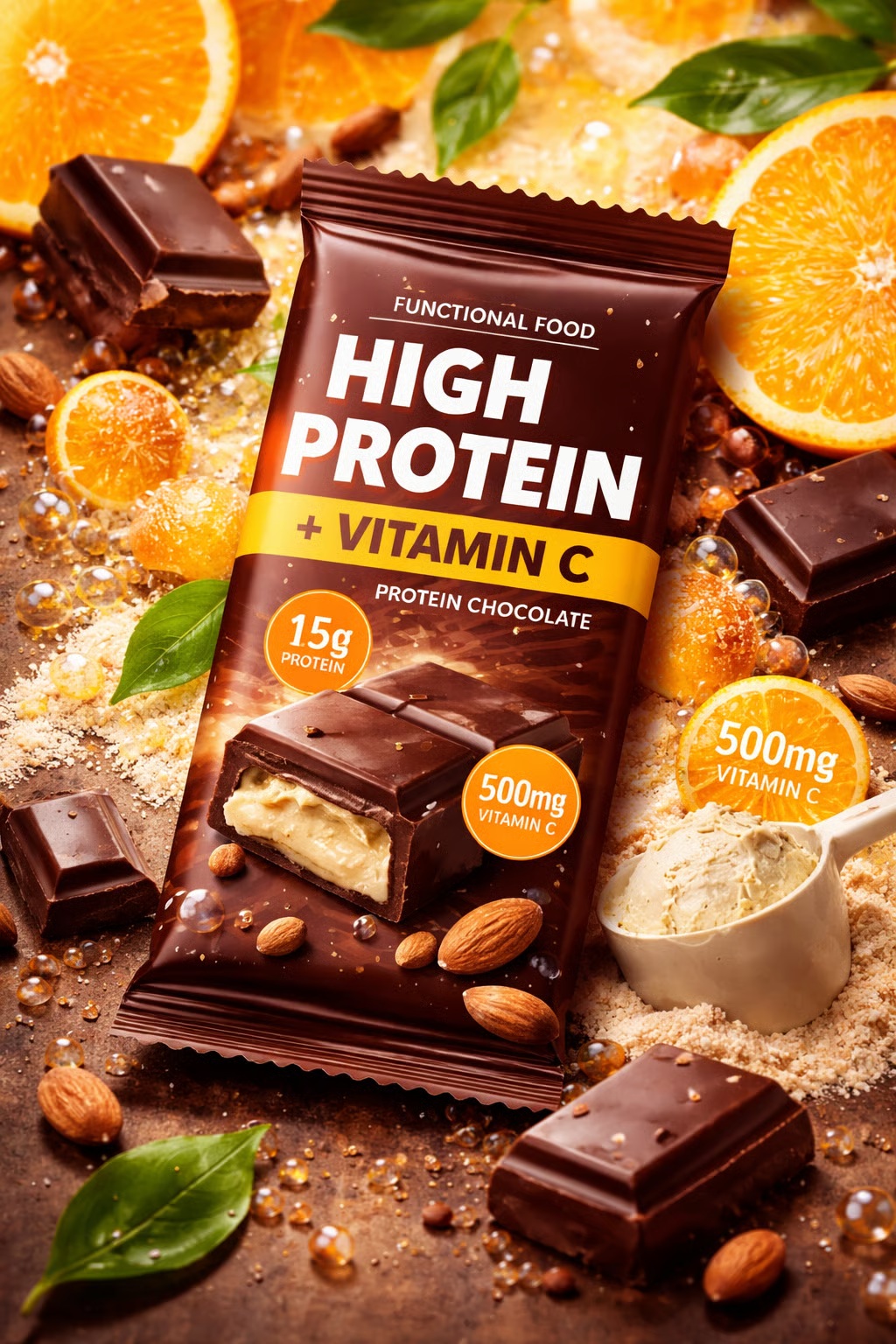
What is Functional Nutrition

Beyond Basic Nutrition

Functional Foods & Beyond Basic Nutrition
  • Functional foods — foods designed to offer health benefits beyond basic nourishment — are growing fast, with billions in projected market value. These include items claiming cognitive, immune, or metabolic support, though scientific proof varies. (The Guardian)

  • Products combining pleasure and purpose — tasty but also nutrient-dense — are part of the new functional nutrition landscape.

Imagine a snack that doesn’t just taste amazing but also supports your brain, immunity, or metabolism. Welcome to the world of functional foods — the fastest-growing trend in nutrition today. Functional foods are designed to offer more than just calories; they provide benefits that help your body and mind thrive.

The Rise of Functional Foods:
Functional foods have exploded in popularity, with billions of pounds in projected market growth. From omega-3 enriched eggs to probiotic yogurts and fortified chocolate, these foods promise cognitive, immune, or metabolic benefits. While the scientific proof varies by product, research shows that targeted nutrients can support key body functions — and eating for purpose is here to stay.

Pleasure Meets Purpose:
The beauty of functional foods is that they don’t sacrifice taste for health. Today’s products combine indulgence with nutrition:

  • Brain-boosting snacks like walnuts, dark chocolate with added flavonoids, or omega-3-fortified spreads.

  • Gut-friendly choices like fermented drinks, kombucha, and high-fibre cereals.

  • Immune-supporting bites with added vitamin C, zinc, or antioxidants.

These foods make it easier — and more enjoyable — to get the nutrients your body needs.

Tips for Choosing Functional Foods:

  1. Check the science: Look for clinically studied ingredients or well-known nutrients.

  2. Keep it balanced: Functional foods can support your diet, but they shouldn’t replace whole foods entirely.

  3. Listen to your body: Some products, especially those with added stimulants or high fibre, may affect people differently.

Why It Matters:
Eating functional foods is not just a trend — it’s a lifestyle shift. People want nutrition that works harder for them, whether it’s boosting focus at work, improving digestion, or supporting long-term health. By incorporating functional foods, you’re investing in wellness without giving up taste.

While functional foods continue to grow in popularity — offering convenience, added nutrients, and targeted health benefits — they are unlikely to ever replace the richness and complexity of natural whole foods like spinach, berries, nuts, or oats. Whole foods provide thousands of synergistic compounds that science still can’t fully replicate in a laboratory or fortification process. Instead of seeing functional foods as a substitute, think of them as a useful supplement to a balanced diet: a way to fill nutritional gaps, support specific health goals, or add convenience when life gets busy. The key is balance — prioritise real, minimally processed foods as the foundation of your diet, and use functional products strategically to complement (not compete with) the nutrients nature already perfected.

Follow us on TikTok

Every day we post information on nutrition, anxiety, panic attacks and lots more. Follow us on TikTok so you do not miss out.

If you wish to discuss further or book a one to one nutritional consultation, please connect with me on Linkedin to discuss further (I try to limit my communication channels to just a couple)

This is the kind of thing I explore more deeply in my work; not just what nutrients matter for ADHD, but how, realistically, to get them onto your plate.

If you follow me on Substack, you’ll get clear explanations like this alongside easy, ADHD-friendly recipes that provide these nutrients. https://adhdmoon.substack.com/

And if you want everything in one place, my book Nutrition for ADHD goes into far more depth. Available in the spring on Amazon.

Disclaimer: This newsletter provides general information and is not medical advice. If you have ADHD and are considering dietary changes, consult a healthcare professional to tailor recommendations to your individual needs.

Thank you for being part of this journey.

Until next time 🙂

02Apr

🍬 ADHD & Easter:

The Guide to Surviving (and Enjoying!) the Sugar Season

🐣 Why Easter Can Be… A Lot

Easter looks cute and harmless (bunnies! eggs! pastel everything!) — but for ADHD brains, it can be one of the most overwhelming holidays of the year.

Here’s why Easter can hit differently if you’re neurodivergent:

  • Chocolate everywhere you look

  • Constant grazing → easy to lose track of what you’ve eaten

  • Events, family gatherings, changing routines

  • Sensory overload (noise, kids hyped up on sugar, crowds)

  • Low dopamine + sugar spikes = chaos

  • Social pressure to be “on”

  • The emotional whiplash of wanting celebration but feeling drained

Easter isn’t “bad” — but it demands more self-regulation than many people realise.

🍫 Let’s Talk Chocolate (and ADHD)

Chocolate hits ADHD brains in three big ways:

1️ Sugar Spike → Crash → Emotional Chaos

ADHD nervous systems are already prone to emotional dysregulation.
Add sugar crashes and suddenly:

  • Irritation

  • Low mood

  • Impulsivity

  • Brain fog

  • Physical fatigue

2️ Dopamine Chasing

Chocolate briefly boosts dopamine.
But… the rise is fast and the crash is faster.
This triggers the “I need more” loop, especially when Easter bowls are everywhere.

3️ Caffeine & Additives

Many chocolates contain:

  • Caffeine

  • Emulsifiers

  • Flavourings
    These can quietly increase anxiety, digestive issues, and jitteriness in ADHD bodies.

Should ADHDers avoid chocolate entirely?
Not necessarily — but Easter can make it way easier to overdo.

🧠 So… Is Easter the Worst Holiday for ADHD?

Not the worst, but definitely in the Top 3 Trickiest because:

  • More sugar than Halloween

  • More social expectations than Christmas

  • Less structure than any other holiday

  • More grazing + less routine = more dysregulation

  • Lots of symbols tied to food → hard to escape it

If your ADHD feels more chaotic around Easter, you’re not imagining it.
Your brain is responding to sensory load + sugar load + routine disruption

🍽️ ADHD-Friendly Eating at Easter

These tips help stabilise your blood sugar, energy, and mood:

🌿 1. Start the day with protein — before chocolate

Think:

  • Eggs (perfect ADHD superfood)

  • Greek yogurt

  • Cheese

  • Peanut butter

  • Chicken sausages

  • Protein smoothie

Protein stabilises your nervous system and reduces crashes.

🥚 2. Set “sweet windows”

Instead of grazing all day, try:

  • One treat after a meal

  • One treat mid-afternoon
    This stops the all-day spike-crash cycle.

🍓 3. Swap high-crash chocolate for gentler options

ADHD-friendly alternatives:

  • 85% dark chocolate

  • Chocolate-covered nuts

  • Fruit dipped in chocolate

  • Protein chocolate bars

  • Dates + nut butter (shockingly tasty)

💧 4. Support your body during treats

Hydrate
Add fibre
Move your body a little
These help your body process sugar more smoothly.

🌈 Managing Easter Overwhelm

Easter crowds, family interactions, and noise can be intense.

Here’s ADHD-friendly overwhelm support:

🛑 1. Permission to take space

Create a rule for yourself:
When I need a break, I take it. No explanations required.

Step outside, sit in a quiet room, or take a short walk.

🎧 2. Pre-plan your sensory tools

Useful items:

  • Noise-reducing earplugs

  • Sunglasses

  • Chewing gum

  • Fidget tools

  • A hoodie (aka portable cocoon)

💬 3. Pre-set social boundaries

Examples:

  • “I’m popping outside for a sec.”

  • “I’m going to get some air.”

  • “I’ll join you in a bit.”

Short, neutral statements reduce pressure.

🔄 4. Keep routines where possible

Your brain LOVES predictability.
Keep:

  • Morning routine

  • Mealtimes

  • Sleep schedule
    Locking these down helps your nervous system feel safer.

🧘 Self-Regulation Tips (Quick & Doable)

These support your dopamine, nervous system, and executive functioning:

🌬️ 1. 4-6 Breathing

Breathe in 4 seconds, out for 6.
Instant calming effect.

🔥 2. 30-second sensory reset

Run wrists under cold water
OR
Press palms together firmly
OR
Do 10 slow shoulder rolls

🗂️ 3. Micro-planning

Don’t plan the whole day.
Just plan the next 30 minutes.
This stops overwhelm in its tracks.

🚶 4. Move your body after eating sugar

Even a short walk helps prevent nastier crashes.

Follow us on TikTok

Every day we post information on nutrition, anxiety, panic attacks and lots more. Follow us on TikTok so you do not miss out.

💛 Final Thought: Easter Isn’t “Too Much” — It’s Designed for Overload

You’re not failing.
Your brain isn’t “too sensitive.”
The environment is simply overwhelming — particularly for ADHD nervous systems.

Your job isn’t to force yourself through Easter.
It’s to support your brain so you can enjoy it on your terms.

If you wish to discuss further or book a one to one nutritional consultation, please connect with me on Linkedin to discuss further (I try to limit my communication channels to just a couple)

This is the kind of thing I explore more deeply in my work; not just what nutrients matter for ADHD, but how, realistically, to get them onto your plate.

If you follow me on Substack, you’ll get clear explanations like this alongside easy, ADHD-friendly recipes that provide these nutrients. https://adhdmoon.substack.com/

And if you want everything in one place, my book Nutrition for ADHD goes into far more depth. Available in the spring on Amazon.

Disclaimer: This newsletter provides general information and is not medical advice. If you have ADHD and are considering dietary changes, consult a healthcare professional to tailor recommendations to your individual needs.

Thank you for being part of this journey.

Until next time 🙂

26Mar

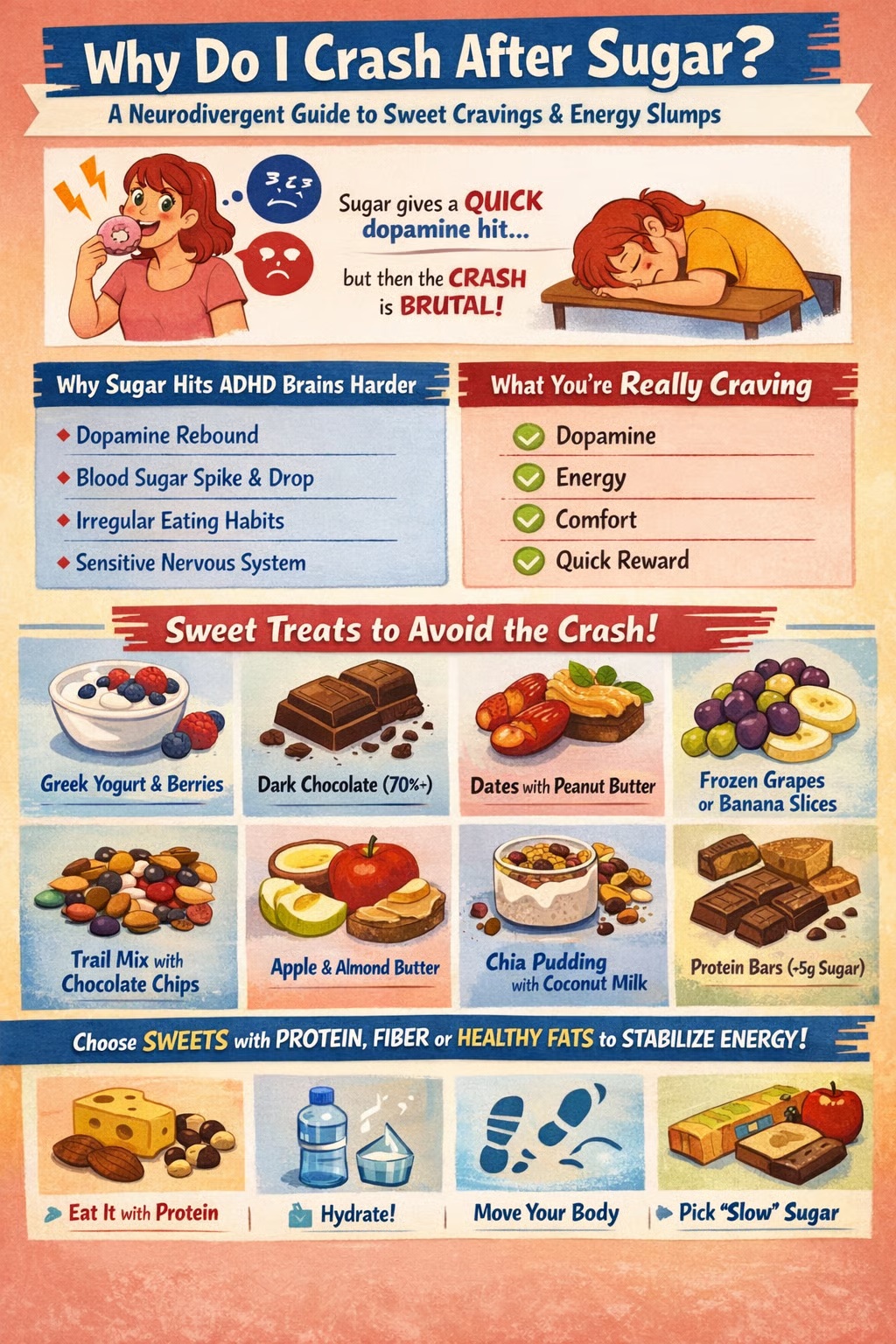
🍬 Why Do I Crash After Sugar?

A Neurodivergent-Friendly Guide to Sweet Cravings & Energy Slumps

🍬 Why Do I Crash After Sugar?

A Neurodivergent-Friendly Guide to Sweet Cravings & Energy Slumps**

If you’re neurodivergent or have ADHD, you might have a special relationship with sugar.

For many of us, sugar feels like a quick fix:
a fast dopamine hit
a moment of calm or comfort
a way to boost low energy or overwhelm
But the crash afterward? Brutal.

Let’s break down why sugar hits ADHD brains harder and what you can eat instead to satisfy cravings without the horrible slump.

🚀 Why Sugar Feels Amazing at First (Especially for ADHD Brains)

People with ADHD often have lower baseline dopamine. Sugar temporarily boosts dopamine and energy, so your brain goes: “YES — this works!”

But the boost is short-lived. Why?

  • Simple sugars spike blood glucose very quickly.

  • The body releases a big wave of insulin to bring that glucose back down.

  • For ADHDers (who often have irregular eating patterns and sensitive nervous systems), that drop can feel extra intense.

This leads to:

  • sudden exhaustion

  • irritability or overwhelm

  • brain fog

  • increased distractibility

  • more cravings (the cycle continues)

🧠 Why ADHDers Crash Harder

ADHD-specific factors make the sugar crash worse:

1. Dopamine Rebound

Sugar → dopamine boost → sharp drop → “empty tank” feeling.

2. Irregular Eating Habits

Skipping meals or forgetting to eat increases blood sugar sensitivity.

3. Stress-Sensitive Nervous System

The ADHD brain reacts more strongly to highs and lows.

4. Executive Dysfunction

It’s easier to grab sugar than prepare a protein-balanced snack.

🍭 What You’re Really Craving When You Want Sugar

Often it’s not actually sugar — it’s:

  • dopamine

  • energy

  • comfort

  • sensory stimulation

  • predictability and quick reward

Once you understand that, you can choose alternatives that meet the same need without the crash.


🍓 Sweet Treats ADHD Brains Can Eat Without the Sugar Crash

These still give sweetness + dopamine, but with protein, fibre or fat to stabilise energy.

1. Greek Yogurt + Honey + Berries

Creamy, sweet, high-protein, stabilises glucose.

2. Dark Chocolate (70%+)

Less sugar, richer flavour, slower release of energy.
Bonus: magnesium = calmer nervous system.

3. Dates Filled with Peanut Butter

Sweet + salty + fat + fibre = dopamine AND long-lasting energy.

4. Frozen Grapes or Banana Slices

A sensory “treat” without sugar spikes.

5. Trail Mix with Chocolate Chips

A tiny bit of sweet + nuts = energy that lasts.

6. Apple Slices + Almond Butter

Great crunch, protein, fibre, sensory satisfaction.

7. Chia Pudding with Coconut Milk

Sweet, creamy, and very blood-sugar-friendly.

8. Protein Bars with <5g Sugar

Fast dopamine hit with balance — perfect for on-the-go ADHD brains.

🍬 If You Do Eat Sugar, Here’s How to Avoid the Crash
✔ Eat it with protein or fat

Example: chocolate + nuts, biscuit + cheese, fruit + yogurt.

✔ Never eat sugar on an empty stomach

This is the #1 reason for major crashes.

✔ Drink water with it

Dehydration feels like a sugar crash.

✔ Pair with movement

A 5-minute walk reduces the glucose spike.

✔ Choose “slow sugar”

Fruit > sweets
Dark chocolate > milk chocolate
Homemade baking > ultra-processed treats

Follow us on TikTok

Every day we post information on nutrition, anxiety, panic attacks and lots more. Follow us on TikTok so you do not miss out.

💬 Final Thoughts

Sugar cravings aren’t a failure of willpower —
they’re a communication from your ADHD brain: “I need dopamine, energy or comfort — fast.”

When you give your brain sweetness with stability (protein, fibre, healthy fats), you stop the cycle of:

craving → spike → crash → craving again.

Your brain gets the reward it wants —
and your body gets the support it needs.

If you wish to discuss further or book a one to one nutritional consultation, please connect with me on Linkedin to discuss further (I try to limit my communication channels to just a couple)

This is the kind of thing I explore more deeply in my work; not just what nutrients matter for ADHD, but how, realistically, to get them onto your plate.

If you follow me on Substack, you’ll get clear explanations like this alongside easy, ADHD-friendly recipes that provide these nutrients. https://adhdmoon.substack.com/

And if you want everything in one place, my book Nutrition for ADHD goes into far more depth. Available in the spring on Amazon.

Disclaimer: This newsletter provides general information and is not medical advice. If you have ADHD and are considering dietary changes, consult a healthcare professional to tailor recommendations to your individual needs.

Thank you for being part of this journey.

Until next time 🙂

19Mar

Gut-Brain Axis and Neurodiversity: Microbes, Fermented Foods, Probiotics, and Prebiotics — What We Know (and What We Don’t)

Exploring how gut ecology might shape mood, attention, and sensory processing in neurodivergent individuals, with a focus on practical, inclusive nutrition.

Emerging research in the gut-brain axis suggests that the trillions of microbes living in our intestines may influence brain function and behavior. For neurodivergent communities—including individuals with ADHD, autism spectrum conditions, and other neurodevelopmental differences—these insights open opportunities for supportive dietary strategies that are accessible, enjoyable, and respectful of sensory and dietary preferences. This edition highlights what current science shows about gut microbiota composition, fermented foods, probiotics, and prebiotics, and what remains uncertain.

The gut-brain axis in brief

Core idea: The gut and brain communicate bidirectionally via neural (vagus nerve), immune, and hormonal pathways. Microbes influence this dialogue through metabolites (like short-chain fatty acids), neurotransmitter precursors, and immune signaling.

Relevance to neurodiversity: Variations in gut microbiota have been linked to mood regulation, anxiety, sleep, attention, and sensory processing in some studies. However, findings are heterogeneous, and individual responses vary.

What current evidence suggests for neurodivergent populations

Mood and anxiety: Some studies report associations between gut microbial diversity and mood/anxiety symptoms in autistic or ADHD populations. Probiotic or prebiotic interventions have shown modest improvements in anxiety or mood in mixed neurodiverse samples, but results are not consistent across trials.

Attention and executive function: A portion of small trials and pilot studies suggest potential improvements in attention or cognitive flexibility with certain probiotic strains or prebiotic fibers, but these findings need replication and larger sample sizes.

Sensory processing: Research on sensory processing and gut microbiota is nascent. Some participants report mood stabilization or reduced sensory overload with dietary changes or probiotic use, yet robust causal evidence is lacking.

Autism spectrum conditions: Some randomized trials in autistic youth and adults have explored probiotic supplements or fermented foods with mixed results on GI symptoms and behavior; overall quality and sample sizes limit definitive conclusions.

ADHD: Fewer direct, high-quality studies exist. Some observational data link GI symptoms and dietary patterns with ADHD symptom clusters, while interventional trials with probiotics/prebiotics remain preliminary.

Key takeaway: The gut-brain axis is a promising area, but current evidence does not support universal recommendations. Interventions should be individualized, with attention to safety, tolerability, and preferences.

Fermented foods, probiotics, and prebiotics — what to know

Fermented foods: Include yogurt, kefir, sauerkraut, kimchi, miso, tempeh, and kombucha. They introduce live microbes and produce bioactive compounds. Potential benefits include improved GI comfort and broader microbial diversity, but content varies by product and fermentation method. For neurodivergent individuals, consider sensory tolerance (taste, texture, aroma) and any GI sensitivities.

Probiotics: Live microorganisms marketed to support gut health. Strain specificity matters: not all probiotics have the same effects. Commonly studied strains (e.g., certain Lactobacillus and Bifidobacterium species) show modest effects for GI symptoms and mood in some populations. Start with strains backed by evidence and consult a clinician if there are pre-existing health conditions.

Prebiotics: Non-digestible fibers (like inulin, galacto-oligosaccharides) that feed beneficial gut bacteria. They can improve GI symptoms and may influence mood and sleep in some individuals but can cause gas or discomfort in others—start with small amounts and monitor response.

Safety and practicality: Probiotics and prebiotics are generally safe for healthy individuals but may not be suitable for those with immune concerns, short-bowel syndrome, or significant GI disorders. Always read labels for added sugars, gluten, or allergens that may trigger sensory or gut sensitivities.

Practical, inclusive strategies for daily life

Start with gut-friendly meals that align with sensory preferences:

Regular meal timing to support gut rhythms.

A balance of fiber-rich foods (fruits, vegetables, whole grains) with low-odor, mild-flavored fermented options to accommodate sensory needs.

Include sources of omega-3s (e.g., flaxseeds, walnuts, fatty fish) which may support brain health alongside gut-friendly nutrients.

Gentle probiotic introductions:

If considering probiotics, choose well-studied, multi-strain products or those with clinically relevant strains. Begin with a small dose and monitor tolerance.

Fermented foods can be a natural, dietary route to introduce beneficial microbes, but start slowly to minimize GI upset.

Prebiotic fiber ramp, with caution:

Introduce prebiotics gradually (e.g., add 1–2 grams of a prebiotic fiber per day) to reduce gas and bloating.

Pair with adequate hydration and spicy or strong-flavored foods that align with sensory preferences.

GI symptoms as a guide:

Track GI comfort, mood, sleep, attention, and sensory experiences to identify patterns. A simple weekly log can help you and your clinician assess what works.

Personalization and boundaries:

Recognize that dietary changes are not one-size-fits-all. Prioritize food enjoyment, affordability, accessibility, and culturally relevant options.

If you’re in a school, workplace, or care setting, consider sensory-friendly meal options, clear labeling, and predictable routines to reduce stress around mealtimes.


Scrambled eggs, Salmon and Kimchi

When to seek professional guidance

Consult a healthcare provider or registered dietitian with experience in neurodiversity and gut health, especially if there are:

Severe GI symptoms (recurrent abdominal pain, constipation/diarrhea, GI bleeding).

Significant sensory or feeding challenges that interfere with nutrition.

Concurrent medical conditions or medications that may interact with probiotics or fiber supplements.

If you’re considering powders, capsules, or specific probiotic strains, bring product details (strain, CFU, lot number) to your clinician for evaluation.

What’s on the horizon

Larger, well-controlled trials are underway to clarify which strains, doses, and dietary patterns most benefit mood, attention, and sensory processing in neurodivergent populations.

Integrative approaches, combining nutrition with sleep hygiene, stress management, and physical activity, are showing promise for holistic well-being.

Advances in personalized nutrition (nutrigenomics, metabolomics) may help tailor interventions to individual gut profiles and sensory preferences, but routine clinical use is still evolving.

Follow us on TikTok

Every day we post information on nutrition, anxiety, panic attacks and lots more. Follow us on TikTok so you do not miss out.

The gut-brain axis is a dynamic and evolving field. While intriguing connections between gut microbiota, fermented foods, probiotics, prebiotics, and neurodivergent experiences are emerging, there is not a universal recipe for all individuals. By prioritizing safety, sensory comfort, and personalized preferences, we can explore evidence-informed dietary practices that may support mood, attention, and sensory regulation—one small, enjoyable step at a time.

If you wish to discuss further or book a one to one nutritional consultation, please connect with me on Linkedin to discuss further (I try to limit my communication channels to just a couple)

This is the kind of thing I explore more deeply in my work; not just what nutrients matter for ADHD, but how, realistically, to get them onto your plate.

If you follow me on Substack, you’ll get clear explanations like this alongside easy, ADHD-friendly recipes that provide these nutrients. https://adhdmoon.substack.com/

And if you want everything in one place, my book Nutrition for ADHD goes into far more depth. Available in the spring on Amazon.

Disclaimer: This newsletter provides general information and is not medical advice. If you have ADHD and are considering dietary changes, consult a healthcare professional to tailor recommendations to your individual needs.

Thank you for being part of this journey.

Until next time 🙂

11Mar

🥚 Key Nutrients in Eggs and How They Support Neurodivergent Brains

Neurodivergent Superfood

Eggs are often described as a “neurodivergent superfood” because they contain a rare combination of nutrients that support brain signalling, focus, neurotransmitters, energy stability, and nervous system regulation—areas that many neurodivergent people (including those with ADHD, autism, and sensory processing differences) commonly benefit from nutritionally.

Below is a clear breakdown of the key nutrients in eggs and how each can support a neurodivergent brain.

🥚 Key Nutrients in Eggs and How They Support Neurodivergent Brains

1. Choline

Amount: ~150 mg per egg

Why it matters:

  • Essential for producing acetylcholine, a neurotransmitter involved in memory, focus, and learning

  • Supports executive function and attention regulation

  • Helps build cell membranes in the brain

  • Important for nervous system signalling

Why this matters for neurodivergence:
Many people with ADHD have lower acetylcholine activity, which can affect focus, working memory, and impulse control.

 2. High-Quality Complete Protein

Amount: ~6–7 g per egg

Contains all 9 essential amino acids, including:

  • Tyrosine → precursor for dopamine

  • Tryptophan → precursor for serotonin

  • Phenylalanine → supports neurotransmitter production

Why it matters:

  • Helps regulate dopamine, the key neurotransmitter linked to motivation and attention

  • Stabilises blood sugar, which reduces brain crashes

  • Supports mental stamina and emotional regulation

3. Omega-3 Fatty Acids (especially if pasture-raised)

Amount: varies, ~70–150 mg

Why it matters:

  • Supports brain cell membrane flexibility

  • Improves communication between neurons

  • Linked to improvements in attention, mood, and cognitive flexibility

Why this matters:
Omega-3 deficiency has been repeatedly linked to ADHD symptoms and mood dysregulation.

 4. Vitamin B12

Amount: ~0.6 mcg per egg

Why it matters:

  • Essential for myelin formation (the protective coating around nerves)

  • Supports energy production in brain cells

  • Important for mood regulation and cognitive clarity

Low B12 can contribute to:

  • Brain fog

  • fatigue

  • poor concentration

 5. Folate (Vitamin B9)

Amount: ~25 mcg

Why it matters:

  • Required for neurotransmitter synthesis

  • Supports dopamine and serotonin pathways

  • Plays a role in DNA repair in brain cells

6. Vitamin D

Egg yolks contain small but meaningful amounts.

Why it matters:

  • Regulates mood and brain inflammation

  • Supports dopamine production

  • Low vitamin D is frequently seen in people with ADHD and autism

7. Iron

Amount: ~0.9 mg

Why it matters:

  • Critical for dopamine synthesis

  • Helps oxygen reach the brain

  • Supports attention and cognitive performance

Low iron has been linked with increased ADHD symptom severity.

8. Zinc

Amount: ~0.6 mg

Why it matters:

  • Regulates dopamine signalling

  • Supports immune system and brain development

  • Plays a role in sensory processing

Low zinc has been associated with hyperactivity and impulsivity.

9. Selenium

Amount: ~15 mcg

Why it matters:

  • Powerful antioxidant for brain cells

  • Protects neurons from oxidative stress

  • Supports thyroid hormones, which regulate brain metabolism

10. Lutein and Zeaxanthin

These carotenoids accumulate in the brain and retina.

Why they matter:

  • Improve processing speed

  • Support visual processing and sensory integration

  • Protect brain tissue from inflammation

11. Healthy Fats

Egg yolks contain important phospholipids.

Why they matter:

  • Build brain cell membranes

  • Support neurotransmitter transport

  • Help regulate inflammation in the brain 

🧠 Why Eggs Work So Well for Neurodivergent Brains

Eggs support several key systems often involved in neurodivergence:

🥚 How Many Eggs Should a Neurodivergent Person Eat?

For most healthy adults:

3–10 eggs per week is considered a beneficial range.

Typical patterns:

  • ADHD nutrition specialists: often recommend
    1 egg per day (≈7 per week)

  • Athletes or highly active people:
    up to 2 eggs per day can still be healthy for many individuals.

Modern research shows that dietary cholesterol from eggs does not significantly raise blood cholesterol for most people.

However, intake may need adjusting if someone has:

  • familial hypercholesterolemia

  • specific cardiovascular risk factors

  • egg intolerance

If you wish to discuss further or book a one to one nutritional consultation, please connect with me on Linkedin to discuss further (I try to limit my communication channels to just a couple)

This is the kind of thing I explore more deeply in my work; not just what nutrients matter for ADHD, but how, realistically, to get them onto your plate.

If you follow me on Substack, you’ll get clear explanations like this alongside easy, ADHD-friendly recipes that provide these nutrients. https://adhdmoon.substack.com/

And if you want everything in one place, my book Nutrition for ADHD goes into far more depth. Available in the spring on Amazon.

Disclaimer: This newsletter provides general information and is not medical advice. If you have ADHD and are considering dietary changes, consult a healthcare professional to tailor recommendations to your individual needs.

Thank you for being part of this journey.

Until next time 🙂

Follow us on TikTok

Every day we post information on nutrition, anxiety, panic attacks and lots more. Follow us on TikTok so you do not miss out.

06Mar

Important: Why AI Nutritional Advice for ADHD/AuDHD Isn’t a Safe Substitute

(Plus, What to Do Instead)

As a qualified nutritionist, I do use AI tools to research and find nutritional information, however I always fact check and conduct additional research, and this is why:

As AI tools like ChatGPT become more common in everyday life, it’s tempting to turn to them for quick answers—especially on topics like nutrition and mental health. When it comes to ADHD and AuDHD (Autistic traits with ADHD), relying on AI for dietary guidance can be risky for several reasons. Here’s what you need to know, plus safer alternatives you can use today.

And to prove a point – I asked AI to create this weeks image… it is a little bit wonky!!

AI is not a substitute for personalized medical advice

ADHD and AuDHD are complex neurodevelopmental profiles with diverse symptoms and comorbidities.

Nutrition needs can vary dramatically based on age, gender, activity level, medications, sleep, gut health, and co-occurring conditions.

AI models generate information based on patterns in data, not your unique health history. They cannot diagnose, tailor treatment plans, or adjust for interactions with medications.

Incomplete or generalized guidance

AI responses often rely on broad literature and may miss the nuances of ADHD/AuDHD management.

Dietary strategies that help one person may worsen another due to receptor sensitivities, food intolerances, or sensory issues common in ADHD/AuDHD.

Potential for outdated or inaccurate information

AI knowledge cutoff dates limit awareness of the latest guidelines, research, or approved therapies.

Nuanced recommendations (e.g., specific micronutrient supplementation, timing of meals, or caffeine sensitivity) require up-to-date, clinically vetted sources.

Risk of oversimplification and misinterpretation

Complex topics like micronutrient interactions, blood sugar regulation, and gut–brain axis are prone to oversimplification.

Users may misconstrue advice as universal “rules,” leading to unnecessary restriction or self-diagnosis.

Safety concerns with supplement suggestions

AI may recommend supplements with potential interactions with ADHD medications (stimulants, nonstimulants) or with other conditions.

Without lab data or clinician oversight, there’s a real risk of overdose, toxicity, or nutrient imbalances.

Data privacy and trust issues

Sharing personal health concerns with AI platforms can raise privacy concerns.

Some AI services may use interactions to improve models, which could raise confidentiality concerns if sensitive health information is involved.

Tone of accountability and accountability gaps

AI cannot take responsibility for outcomes. If you try a suggested plan and experience adverse effects, you have fewer avenues for follow-up, clarifications, or adjustments.


Safer, more reliable pathways for nutrition guidance (especially for ADHD/AuDHD)

Consult healthcare professionals:

·         Your doctor or a paediatric/adult ADHD specialist.

·         A registered dietitian (RD) with experience in ADHD and neurodiversity.

·         Seek evidence-informed resources:

·         Position statements or guidelines from reputable organizations (e.g., ADHD associations, nutrition science societies).

·         Peer-reviewed reviews on nutrition and ADHD/AuDHD, focusing on dietary patterns (e.g., balanced snacks, protein-rich meals, regular meal timing) rather than one-size-fits-all supplements.

Personalize with professional support:

·         An RD can help develop an individualized meal plan considering medication timing, sleep, activity, and sensory preferences.

·         If you suspect food sensitivities or gut health concerns, discuss testing or elimination approaches with a clinician.

Use AI tools as supplementary, not primary:

·         Treat AI as a starting point for questions, not a replacement for professional advice.

·         Cross-check any AI-provided information with reputable sources and your clinician’s guidance.

Closing thought

AI can be a helpful spark for questions and learning, but ADHD and AuDHD nutrition require nuanced, individualized care grounded in clinical expertise.

Prioritizing professional guidance helps ensure your dietary choices support attention, energy, sleep, and overall well-being safely and effectively.

If you wish to discuss further or book a one to one nutritional consultation, please connect with me on Linkedin to discuss further (I try to limit my communication channels to just a couple)

This is the kind of thing I explore more deeply in my work; not just what nutrients matter for ADHD, but how, realistically, to get them onto your plate.

If you follow me on Substack, you’ll get clear explanations like this alongside easy, ADHD-friendly recipes that provide these nutrients. https://adhdmoon.substack.com/

And if you want everything in one place, my book Nutrition for ADHD goes into far more depth. Available in the spring on Amazon.

Disclaimer: This newsletter provides general information and is not medical advice. If you have ADHD and are considering dietary changes, consult a healthcare professional to tailor recommendations to your individual needs.

Thank you for being part of this journey.

Until next time 🙂

Follow us on TikTok

Every day we post information on nutrition, anxiety, panic attacks and lots more. Follow us on TikTok so you do not miss out.

02Mar

ADHD & Processed Foods

5 Everyday Foods That Can Quietly Worsen Symptoms

Most conversations about ADHD focus on medication, productivity tools, or behaviour strategies.

Far fewer talk about food.

ADHD isn’t caused by diet.
But what we eat can influence focus, mood stability, sleep, and emotional regulation — all areas already sensitive in ADHD brains.

Here are 5 processed food categories most often linked to worsening ADHD symptoms 👇

1) Sugary Breakfast Cereals

Why they’re a problem:

  • Extremely high in refined sugar

  • Cause rapid blood sugar spikes → crashes

  • Often contain artificial colours & flavourings

What happens:
Energy surge → irritability → poor focus → emotional dysregulation.

For ADHD brains (which already struggle with dopamine regulation), unstable glucose can amplify symptoms.

2) Fizzy Drinks & Energy Drinks

Why they’re a problem:

  • High sugar OR artificial sweeteners

  • Large caffeine doses

  • Artificial colours (e.g., tartrazine)

What happens:
Temporary stimulation → anxiety, sleep disruption → worsened executive function the next day.

Even “sugar-free” versions can impact gut health and dopamine balance.

3) Packaged Snack Foods (Crisps, Cheese Puffs, etc.)

Why they’re a problem:

  • Refined carbs + industrial seed oils

  • Additives & flavour enhancers

  • Very low in protein and fibre

What happens:
They crowd out nutrients ADHD brains actually need (iron, zinc, omega-3s, protein).

Low nutrient density = poorer neurotransmitter production.

4) Processed Meats (Sausages, Nuggets, Deli Meats)

Why they’re a problem:

  • Preservatives (nitrates/nitrites)

  • High sodium

  • Often contain fillers & additives

Some research suggests certain preservatives may worsen hyperactivity in sensitive individuals.

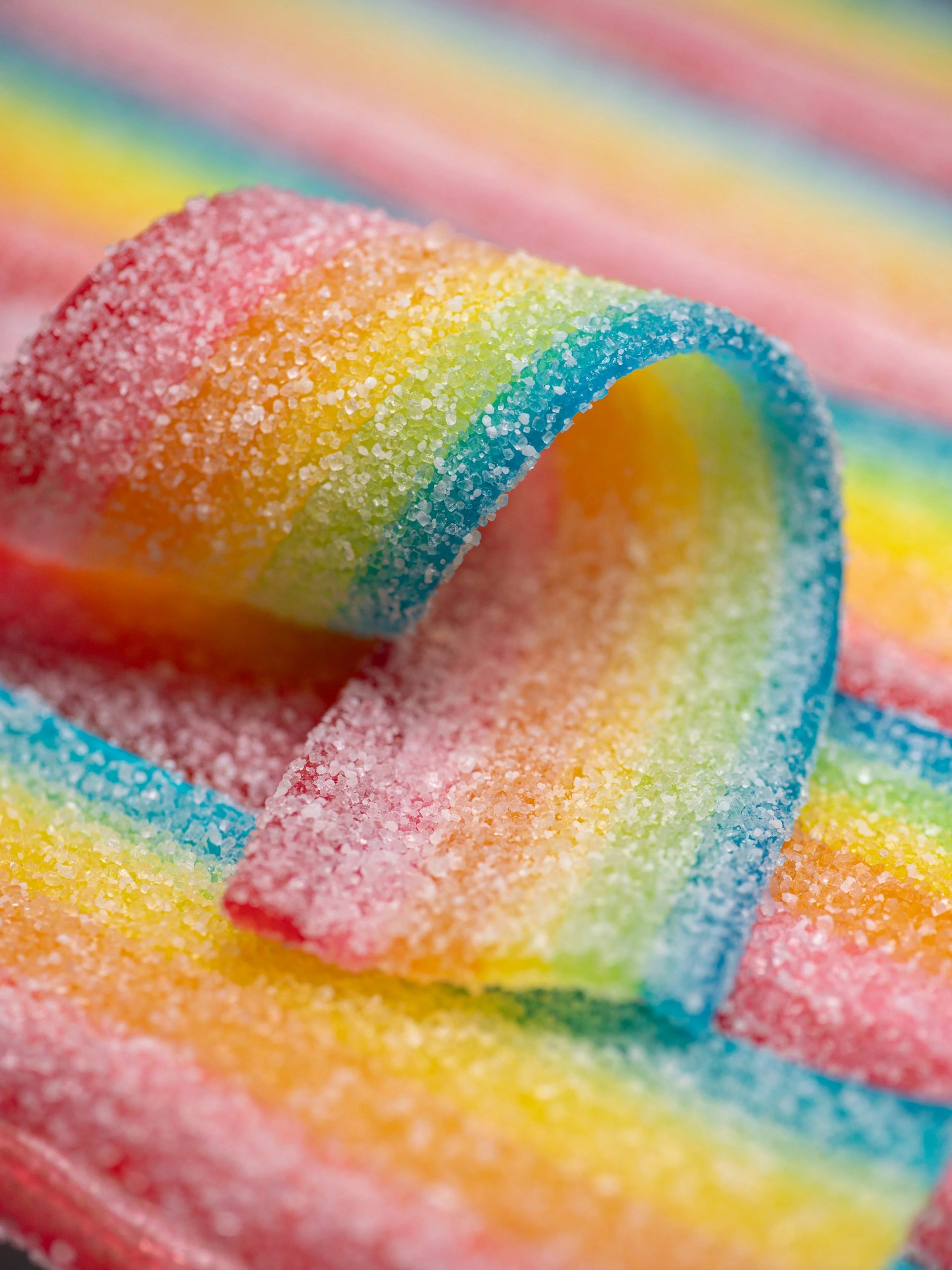
5) Artificially Coloured Sweets & Candies

Why they’re a problem:

  • Artificial food dyes (e.g., Red 40, Yellow 5)

  • Pure refined sugar

There’s consistent evidence that some children with ADHD are sensitive to artificial food colourings, which can increase hyperactivity and irritability.

In the UK, many products now carry warnings about certain dyes affecting activity and attention.

Important nuance ⚖️

Not everyone with ADHD reacts the same way.

ADHD is primarily neurodevelopmental — food doesn’t cause it. But diet can:

  • Exacerbate symptoms

  • Influence mood stability

  • Impact sleep (which directly affects attention)

What Helps Instead 🧠

ADHD brains generally benefit from:

  • High-protein breakfasts

  • Omega-3 fats (oily fish, flax, walnuts)

  • Iron & zinc-rich foods

  • Low-GI carbs

  • Stable meal timing

If you wish to discuss further or book a one to one nutritional consultation, please connect with me on Linkedin to discuss further (I try to limit my communication channels to just a couple)

This is the kind of thing I explore more deeply in my work; not just what nutrients matter for ADHD, but how, realistically, to get them onto your plate.

If you follow me on Substack, you’ll get clear explanations like this alongside easy, ADHD-friendly recipes that provide these nutrients. https://adhdmoon.substack.com/

And if you want everything in one place, my book Nutrition for ADHD goes into far more depth. Available in the spring on Amazon.

Disclaimer: This newsletter provides general information and is not medical advice. If you have ADHD and are considering dietary changes, consult a healthcare professional to tailor recommendations to your individual needs.

Thank you for being part of this journey.

Until next time 🙂

Follow us on TikTok

Every day we post information on nutrition, anxiety, panic attacks and lots more. Follow us on TikTok so you do not miss out.

18Feb

ADHD Diet For Adults:

Foods to Eat and Avoid

A good ADHD diet is well-balanced, with a generous portion of fruits and vegetables paired with whole grains, healthy fats, and proteins. This diet ensures your nutritional needs are met and helps keep your mind and body in their best state.

Keep in mind that research is ongoing in relation to ADHD and diet. Current studies show that various nutrients can help improve your ADHD symptoms. Conversely, a lack of certain nutrients may worsen your symptoms and affect your ability to manage them effectively.

What Should an ADHD Diet Include?

There are many foods that may help with ADHD, but to experience the best benefits, an optimal ADHD diet consists of the following:

Fruits and Vegetables

Some research suggests that the symptoms of inattention associated with ADHD may improve with increased consumption of fruits and vegetables.

Complex Carbohydrates

Complex carbohydrates are found in many foods, including:

  • Fruits like apples, kiwis, and berries

  • Whole grains such as oatmeal, brown rice, quinoa, barley, and whole-wheat bread or pasta

  • Legumes such as peas, beans, and lentils

These types of complex carbohydrates are less likely to spike your blood sugar levels and help keep you feeling fuller for longer, which may help improve your focus and attention.

By avoiding simple carbohydrates, like sugar and white flour, you may reduce specific ADHD symptoms.

Protein-rich Foods

Protein-rich foods include eggs, lean meat, milk, cheese, nuts, soy, and low-fat yogurt. These foods can help maintain a feeling of fullness and prevent spikes in blood sugar levels.

Some research also found that having a protein-rich breakfast can help enhance mood, attention, and alertness.

Healthy Fats

Healthy fats, such as omega-3 and omega-6 fatty acids, may help support your heart health, memory, and immune function.

Foods rich in omega-3 and omega-6 fatty acids include:

  • Fatty fish – such as salmon, tuna, and mackerel

  • Soybean

  • Walnuts

  • Flaxseeds

  • Tofu

  • Chia seeds

  • Avocados

Some research also suggests that omega-3 and omega-6 fatty acids may help improve hyperactivity, impulsivity, and attention symptoms in ADHD.

Foods You Should Avoid with ADHD

People with ADHD are prone to gain weight compared to non-ADHD. The reasons are complex, but diet is a factor. In general, limiting the intake of foods high in sugar, unhealthy (saturated) fats, and simple carbohydrates is best.

Let’s explore this further below by discussing what foods to avoid with ADHD.

Sugary Foods

Currently, the association between sugar consumption and ADHD symptoms is still a controversial topic. While some studies note no correlation, other research suggests that high sugar consumption is linked to inattention and impulsivity in adults.

However, too much sugar can increase your risk of heart disease, diabetes, and other health conditions. Therefore, the World Health Organization (WHO) generally recommends a limit of 2 teaspoons (50 grams) of sugar per day for adults.

Simple Carbohydrates

Not all foods containing simple carbs are bad — it depends on the source. For example, fruits are a source of simple carbs, but they’re important to include in your diet.

The simple carbs to limit in your diet include high-sugar foods, such as:

  • Soda or carbonated beverages

  • Candies and sweets

  • Cakes and cookies

  • Fruit juice concentrate

  • Kid’s breakfast cereals

  • Processed foods, such as granola bars and potato chips

Unhealthy Fats

A high-fat diet may be associated with symptoms of inattention in ADHD. Additionally, overconsumption of unhealthy saturated fats may increase your risk of heart conditions and memory problems.

Sources of fat that are best avoided include fried foods, processed meat, butter, high-fat dairy products, and heavy cream.

Caffeine

Caffeine and ADHD is a complicated subject. Coffee affects everyone differently. Some adults with ADHD may have to limit their caffeine consumption, as it may bring about side effects such as insomnia, nervousness, irritability, stomach discomfort, and anxiety.

Your risk of experiencing these side effects may also increase if you take stimulant medications for your ADHD.

If you’re having trouble sleeping or experiencing anxiety and nausea, it may be best to cut down or avoid caffeine altogether.

Others may find their focus and motivation improved with little to no negative effects.

Vitamins and Minerals for Your ADHD Diet

Nutritional supplements, vitamins, and minerals are unnecessary if you have a balanced diet.

However, it can be difficult to make sudden changes to your diet or consistently stick to a healthy one, even more so if you’re trying to cope with symptoms of ADHD.

If so, you can consult your healthcare professional to find out if the following supplements may be helpful for you.

Iron

Some research shows that iron supplements may improve symptoms of ADHD, though more studies are needed to confirm these findings in adults.

Iron deficiency can lead to fatigue, headaches, and dizziness. In this case, iron supplements may help reduce such symptoms.

Zinc

Zinc is an important mineral that helps regulate the normal pathways of chemical messengers in your brain. Zinc supplements may be helpful if you have a known zinc deficiency.

Omega-3 Fatty Acids

Omega-3 fatty acid supplements may help with improving symptoms of ADHD, including hyperactivity, inattention, restlessness, and impulsiveness.

Omega-3 fatty acids may also aid in maintaining the optimal transmission of chemical messengers in the brain and reducing oxidative stress, which is shown to be increased in ADHD.

Omega-3 supplements should not replace your usual ADHD medications.

Vitamin D

Vitamin D supplements may help tackle symptoms of inattention and hyperactivity in people with ADHD.

Vitamin D deficiency is a prevalent global problem. Vitamin D supplements ensure you get enough each day, which helps enhance your muscle, teeth, and bone health.

Magnesium

Some research has found that people with ADHD tend to have lower levels of magnesium in the body compared to those who don’t have ADHD.

Therefore, magnesium supplementation may help improve symptoms of inattention, hyperactivity, and impulsivity in those with a magnesium deficiency.

Magnesium may also help with symptoms of insomnia and anxiety, both of which may present in ADHD.

If you wish to discuss further or book a one to one nutritional consultation, please connect with me on Linkedin to discuss further (I try to limit my communication channels to just a couple)

This is the kind of thing I explore more deeply in my work; not just what nutrients matter for ADHD, but how, realistically, to get them onto your plate.

If you follow me on Substack, you’ll get clear explanations like this alongside easy, ADHD-friendly recipes that provide these nutrients. https://adhdmoon.substack.com/

And if you want everything in one place, my book Nutrition for ADHD goes into far more depth. Available in the spring on Amazon.

Disclaimer: This newsletter provides general information and is not medical advice. If you have ADHD and are considering dietary changes, consult a healthcare professional to tailor recommendations to your individual needs.

Thank you for being part of this journey.

Please connect with me on Linkedin if you are open to a collabortion.

Until next time 🙂

Follow us on TikTok

Every day we post information on nutrition, anxiety, panic attacks and lots more. Follow us on TikTok so you do not miss out.

12Feb

Nourish Your Focus: Can the Mediterranean Diet Support ADHD and AUDHD Nutrition?

Practical, evidence-informed tips to stabilize energy, mood, and attention.

If you’re navigating ADHD or AUDHD (adult ADHD with autistic traits) and wondering how nutrition fits into focus, energy, and well-being, you’re not alone. The Mediterranean diet is often highlighted for its heart-healthy fats, fiber-rich foods, and balanced meals. But how does it relate to ADHD and AUDHD? This edition digs into what the Mediterranean pattern can offer, how to apply it in practical, approachable ways, and a common question: is it easier to stick to one style of eating?

What is the Mediterranean diet in a nutshell?
  • Focus on: vegetables, fruits, whole grains, legumes, nuts, seeds, olive oil as the primary fat, lean proteins (especially fish), and modest dairy.

  • Emphasis on: legumes and whole grains for steady energy, fiber for fullness, and omega-3 rich foods (fatty fish, walnuts, seeds).

  • Moderate intake: dairy, poultry, eggs, and wine (in some interpretations; not necessary for everyone).

  • Limited: processed foods, added sugars, and highly processed snacks.

Why some people with ADHD/AUDHD gravitate toward it
  • Stable energy: The mix of protein, fiber, and healthy fats supports more consistent energy and mood, which can help with sustained attention.

  • Blood sugar balance: Regular meals that emphasize complex carbs and protein can reduce spikes that affect focus and irritability.

  • Simpler structure: Clear, flexible rules (plant-forward plates, weekly fish or legumes, olive oil for cooking) without requiring strict calories or rigid meal times.

  • Neuro-gut connection: A focus on whole foods and fiber supports gut health, an area of growing interest in ADHD research (more studies needed to clarify direct effects).

 What the evidence says (practical wrap-up)
  • ADHD symptoms: There isn’t a one-size-fits-all “ADHD diet.” Some people report improved focus and energy with higher-quality, balanced meals; others notice little change. Mediterranean patterns often improve overall diet quality, which can support cognitive function indirectly.

  • Fatty acids: Emphasizing fish and plant-based fats provides omega-3s and 6s. Some studies show small-to-moderate benefits for attention and behaviour in some individuals; results are mixed and not universal.

  • Micronutrients: The diet can help ensure steady intake of nutrients linked to attention and mood. If a deficiency is present, targeted guidance from a clinician is recommended.

  • Sugar and caffeine: Reduced reliance on highly processed foods and added sugars can aid energy regulation. Caffeine effects vary by person and can affect sleep.

Practical, ADHD/AUDHD-friendly ways to apply the Mediterranean pattern
Build your plate in four simple steps
  • Half your plate: colourful vegetables and fruit.

  • Quarter: lean protein (fish twice a week, beans, or tofu).

  • Quarter: whole grains or starchy vegetables (quinoa, brown rice, potatoes with skin).

  • Add healthy fats: olive oil for dressing or cooking; a small handful of nuts or seeds.

Prioritize protein at each meal

  • Include eggs, yogurt, beans, fish, or lean meat to support neurotransmitter function and satiety.

    Choose the right carbs

  • Opt for whole grains and fiber-rich options; pair carbs with protein or fat to slow digestion and smooth energy.

Fish for focus

  • Aim for 2 servings of fatty fish per week (salmon, sardines, mackerel) or plant-based omega-3 sources like flaxseed, chia, and walnuts.

Snack smart

  • Hummus with veggies, yogurt with berries, almonds, or a piece of fruit with cheese.

 Mindful meal timing

  • Consistent meal times support steady energy. If late meals disrupt sleep, try to finish eating 2–3 hours before bed.

Personalization matters

  • ADHD/AUDHD is diverse. Consider sensory preferences, culture, allergies, gut health, and coexisting conditions. A registered dietitian with neurodiversity experience can help tailor choices.

Is it easier to stick to a style of diet?

Short answer: many people find it easier to adopt and maintain a dietary pattern (like the Mediterranean) rather than chasing a long list of individual “rules.” Why this helps:

  • Simplicity and structure: Clear plate guidelines reduce decision fatigue.

  • Flexibility: You can adapt the pattern to your tastes, culture, and schedule.

  • Consistency over perfection: It’s about long-term habit formation, not perfect adherence.

    Tips to improve adherence
    • Start small: Add one new habit at a time (e.g., “fish twice a week” or “vegetables at two meals daily”).

    • Make it social: Plan meals with family or friends or join a cooking group focused on Mediterranean-style dishes.

    • Plan for busy days: Prep simple Mediterranean-friendly meals (salad bowls with beans, pre-chopped veggies with olive oil, canned fish with whole-grain bread).

    • Build a go-to toolkit: Olive oil, canned beans, whole-grain options, nuts, canned tuna/salmon, frozen vegetables, and fresh fruit.

    • Track what works: Note how you feel after meals (focus, energy, sleep) and adjust accordingly.

     Common pitfalls to watch for
    • Overly restrictive rules: Perfectionism can backfire. Allow flexibility and occasional treats.

    • Hidden sugars and ultra-processed foods: Even within Mediterranean patterns, some foods are high in sugar or ultra-processed. Read labels and favour whole foods.

    • Sleep and stress: Nutrition matters, but sleep quality and stress management are also critical for ADHD/AUDHD.

    This is the kind of thing I explore more deeply in my work; not just what nutrients matter for ADHD, but how, realistically, to get them onto your plate.

    If you follow me on Substack, you’ll get clear explanations like this alongside easy, ADHD-friendly recipes that provide these nutrients. https://adhdmoon.substack.com/

    And if you want everything in one place, my book Nutrition for ADHD goes into far more depth. Available in the spring on Amazon.

    Follow us on TikTok

    Every day we post information on nutrition, anxiety, panic attacks and lots more. Follow us on TikTok so you do not miss out.

    Disclaimer: This newsletter provides general information and is not medical advice. If you have ADHD and are considering dietary changes, consult a healthcare professional to tailor recommendations to your individual needs.

    Thank you for being part of this journey.

    Please connect with me on Linkedin if you are open to a collabortion.

    Until next time 🙂

04Feb

RSD – When your brain puts you on trial

And ALWAYS finds you guilty

RSD is weird because it puts you before a jury and finds you guilty, every, single, time. Guilty of what, you might ask. Guilty of everything.

Someone doesn’t text back? Guilty of being annoying. A work email sounds slightly off? Guilty of being incompetent. Friend cancels plans? Guilty of being too much, too little, too whatever-they-clearly-think-you-are.

The verdict is instant, the sentence is brutal, and the appeal process is non-existent.

For those of us with ADHD, Rejection Sensitive Dysphoria (RSD) isn’t “being a bit sensitive.” It more like an emotional freight train that flattens you. One perceived slight, and you’re suddenly convinced everyone hates you, you’re terrible at everything, and you should probably just disappear forever.

The fact that you know you’re being irrational doesn’t help one bit.

I’ve lived with RSD my entire life. A critical comment can ruin my week. A facial expression can send me spiralling. I’ve cancelled plans, avoided people (and cameras), and replayed conversations on loop for days trying to figure out what I did wrong. (Which 99% of the time was nothing, but tell that to the RSD version of me.)

While researching Nutrition for ADHD, one thing became very clear to me:

RSD is worse when your brain is running on empty.

Of course, nutrition won’t cure RSD, but it can make the difference between “that hurt” and “I need to delete my entire existence.”

Why RSD hits so hard

RSD seems to come from a brain that is extremely sensitive to social threat. Your internal alarm system for rejection is turned right up.

In ADHD brains, two things make this worse.

First: dopamine. We tend to run low on it. Dopamine isn’t just about motivation and focus, it also helps soften emotional pain. When dopamine is low, we lose our “padding”. Everything hits harder.

Second: the prefrontal cortex. The PFC is supposed to regulate your emotional responses, provide perspective, and remind you that “one critical email doesn’t mean you’re a failure.” But in ADHD, the prefrontal cortex is often underpowered and under-fuelled, so when someone says something “mean”, the part of the brain that should step in and offer perspective just… doesn’t.

So your emotional response runs wild. It can feel like someone reached into your chest and squeezed.

Where nutrition comes in

RSD is, and will always be there, but its intensity absolutely changes depending on how well your brain is fuelled.

When your blood sugar is stable and your brain has the nutrients it needs, RSD is still painful, but it’s a little easier to ride it out. When your blood sugar is crashed, and you’re nutritionally depleted? RSD becomes a tidal wave that drowns you.

Here’s what’s happening.

Blood Sugar and Emotional Regulation

When blood sugar drops, your prefrontal cortex, already struggling in ADHD, loses even more power. The part of your brain that provides rational perspective, emotional buffer, and impulse control goes offline.

At the same time, your hindbrain (the survival-focused, primitive part) goes into panic mode. It interprets low blood sugar as a threat and triggers a stress response: cortisol and adrenaline spike.

Now add RSD on top of this.

Someone makes a mildly critical comment. Your PFC, which should say “okay, that’s feedback, not a character assassination,” is offline due to low blood sugar. Your hindbrain, already in panic mode, interprets the criticism as a threat and amplifies the emotional response. A comment that would normally sting now feels catastrophic.

What actually helps in real life:

Keeping the brain fuelled, so the panic never gets going.

  • Eat every 3-4 hours (no exceptions)

  • Making sure meals include protein, carbs, and fat

  • Never letting yourself reach the ravenous state (that’s already too late)

Omega-3 and emotional reactivity

Omega-3 fatty acids (specifically EPA and DHA) are the literal building blocks of your brain cell membranes. They ensure that neurotransmitter signalling is fluid and “clean” rather than jittery and inflamed.

  • The RSD Connection: Omega-3s reduce inflammatory signalling. Chronic inflammation makes your brain’s threat-detection system (the amygdala) hypersensitive. When your “threat-o-meter” is inflamed, a small slight feels like a catastrophe.

  • The Result: The initial RSD hit might still hurt, but the “spiral” afterward is less severe. More of a bruise than a knife through the heart.

What actually helps:
  • Supplement: 2g combined EPA/DHA daily (from fish oil or algae oil).

  • Eat: Fatty fish 2-3 times per week (salmon, mackerel, sardines).

  • Plant power: Flaxseed, chia seeds, and walnuts (though these convert poorly, they still help).

Magnesium and the nervous system

Magnesium helps calm an over-alert nervous system. When it’s low, everything feels louder, sharper, more threatening.

  • The RSD Connection: When magnesium is low, your nervous system stays in “High Alert” mode. You are already hypersensitive to social threat; a magnesium deficiency means you are reacting to that threat with a gas tank full of adrenaline.

  • The Result: Magnesium helps “brake” the overactive neural firing. It reduces the cortisol spike that follows a perceived rejection, allowing you to stay in your “PFC” (logical brain) a little longer.

What actually helps:
  • Supplement: 400mg magnesium glycinate daily (take before bed for better sleep).

  • Eat: Spinach, almonds, dark chocolate, avocado, and pumpkin seeds.

B-Vitamins and Stress Resilience

B6, B9 (folate), and B12 are the factory workers that make dopamine, serotonin, and norepinephrine.

  • The RSD Connection: When B-vitamins are low, your “emotional buffer” disappears. You have less dopamine to regulate your mood and higher levels of homocysteine (linked to irritability).

  • The Result: Without these, you are starting your day from a “resilience deficit.” Every social interaction feels heavier because you don’t have the neurochemical resources to “shrug it off.”

What actually helps:
  • Eat: Eggs, leafy greens, legumes, and whole grains.

  • Supplement: A high-quality B-complex if you’re chronically stressed. (Note: B12 is mandatory for vegetarians/vegans).

Protein and Dopamine Building Blocks

Protein provides tyrosine and phenylalanine, the raw materials your brain uses to make dopamine.

  • The RSD Connection: RSD hits hardest when your dopamine levels are at their lowest.

  • The Result: Eating protein consistently ensures a steady supply of “ammunition” for your brain to fight back against the emotional flood.

What actually helps:
  • The Rule: 20-30g protein at every meal.

  • Timing: Distribute it throughout the day. Don’t backload it all into dinner; your brain needs those building blocks during your social “peak hours.”

The bottom line

Your RSD isn’t “all in your head.” And words like “just pull yourself together” or “get over it” are a waste of everyone’s breath. RSD is a neurological sensitivity. And like every other part of your ADHD brain, it functions better when the “biological machinery” has the high-quality fuel it needs to dampen the noise.

This is the kind of thing I explore more deeply in my work; not just what nutrients matter for ADHD, but how, realistically, to get them onto your plate.

If you follow me on Substack, you’ll get clear explanations like this alongside easy, ADHD-friendly recipes that provide these nutrients. https://adhdmoon.substack.com/

And if you want everything in one place, my book Nutrition for ADHD goes into far more depth. Available in the spring on Amazon.

Follow us on TikTok

Every day we post information on nutrition, anxiety, panic attacks and lots more. Follow us on TikTok so you do not miss out.

Disclaimer: This newsletter provides general information and is not medical advice. If you have ADHD and are considering dietary changes, consult a healthcare professional to tailor recommendations to your individual needs.

Thank you for being part of this journey.

Please connect with me on Linkedin if you are open to a collabortion.

Until next time 🙂

07Jan

I’ve been talking about this for months

Why Protein Matters—and Its Impact on the ADHD Brain

If you’ve been following my updates, you’ll know I’ve consistently emphasized protein’s role in energy, mood, and cognitive performance, especially for those managing ADHD. The message is simple: consistent, well-timed protein supports the brain and body, every day.

Gemma Atkinson recently launched a program on Channel 4, focusing on protein-rich strategies for daily life. It highlights practical meal planning, quick high-protein options, and simple swaps to boost intake without sacrificing flavor. If you’re looking for inspiration and evidence-backed tips, this program is worth checking out as a supportive companion to your routine.

And I am thrilled to share that my ADHD recipe book is heading to the editor this Sunday. It’s full of practical, ADHD-friendly recipes designed to stabilize energy, support focus, and simplify mealtimes. It will be out very soon, and I can’t wait to share it with you.

Why we need protein in our diet
  • Building blocks for the body: Protein provides amino acids that are essential for muscle repair, immune function, and nearly every physiological process.
  • Satiety and energy stability: Protein helps you feel fuller longer and supports more stable blood sugar, which can blunt energy spikes and crashes.
  • Catalyst for brain health: Amino acids are the precursors to neurotransmitters (like dopamine, serotonin, and norepinephrine) that influence mood, focus, motivation, and cognitive flexibility.
  • Recovery and resilience: After stress, exercise, or illness, protein helps the body repair tissues and maintain resilience.
Why the ADHD brain benefits from adequate protein
  • Neurotransmitter supply: ADHD symptoms are linked in part to dopamine and norepinephrine pathways. Sufficient protein ensures a steady supply of the amino acids that produce these neurotransmitters.
  • Blood sugar stability: Protein slows carbohydrate absorption, reducing rapid glucose fluctuations that can worsen impulsivity, inattention, and irritability.
  • Consistent energy and focus: Balanced meals with protein support longer attention spans and better regulation of mood and executive function.
  • Habit formation: Regular protein intake can support consistent routines, which many people with ADHD find helpful for maintaining structure.
Protein intake formula: how much should we actually eat?
  • General guidance ( adults): A practical starting point is 0.8–1.2 grams of protein per kilogram of body weight per day for most adults. For those with higher activity levels or specific goals (like muscle maintenance or cognitive support), 1.2–1.6 g/kg/day is common.
  • ADHD-focused guidance: Some individuals find benefit in aiming toward the higher end of that range, around 1.2–1.6 g/kg/day, especially when balancing cognitive demands, sleep, and appetite.
  • Example calculation: If you weigh 70 kg, a typical range would be 56–84 g/day, with a Focused range of about 84 g/day if you’re supporting cognitive demands or higher activity.
Important caveats
  • Individual variation: Needs vary based on age, activity, health status, and metabolic differences. If you have kidney disease or other contraindications, consult a clinician.
  • Distribution matters: Aim for 20–40 g of high-quality protein per main meal to maximize amino acid availability and satiety, plus a protein-rich snack as needed.
  • Quality matters: Emphasize a variety of protein sources to ensure all essential amino acids.
Hidden protein: ingredients you might not realize are protein
  • Plant-based sources: quinoa, tempeh, lentils, chickpeas, tofu, edamame, seitan, seaplant proteins.
  • Dairy and eggs: Greek yogurt, cottage cheese, cheese, milk, eggs.
  • Nuts and seeds: almonds, walnuts, chia seeds, flaxseeds, pumpkin seeds, peanut or almond butter.
  • Whole grains and certain vegetables: oats, barley, spinach, Brussels sprouts provide meaningful amounts when consumed regularly.
  • Sneaky boosts: many convenience foods (like soups, stews, and some bakery items) can contain hidden protein—check labels for protein per serving and compare with total calories.
Follow us on TikTok

Every day we post information on nutrition, anxiety, panic attacks and lots more. Follow us on TikTok so you do not miss out.


I’d love to hear from you
  • Do you have contacts, recommendations, or collaborations you think would be a good fit for promoting this work?
  • If you’re a podcaster or host, do you have a podcast, or are you seeking guests who can discuss the importance of correct nutrition for the ADHD brain? I’d love to be invited to talk.
Would you be open to:
  • Connecting me with podcast hosts or nutrition networks?
  • Sharing feedback on this newsletter or your own experiences with protein and ADHD?
  • Spreading the word to friends, family, or colleagues who might benefit from clearer protein guidance?
A quick summary you can bookmark
  • Protein is essential for brain health, mood regulation, and sustained attention.
  • ADHD benefits from adequate, well-distributed protein intake and a focus on high-quality sources.
  • Practical targets: 0.8–1.2 g/kg/day, with a potential focus around 1.2–1.6 g/kg/day for cognitive support.
  • Add protein-rich foods to every meal, and be mindful of “hidden” protein in everyday foods.
  • The ADHD recipe book is on its way, and I’m eager to collaborate with podcast hosts and partners.

Thank you for being part of this journey.

Please connect with me on Linkedin if you are open to a collabortion.

Until next time 🙂

02Jan

Neurodiverse-Friendly Resolutions

How to Set Them and Keep Them (With a Nutrition Focus)

Welcome to a friendly, neurodiverse-aware newsletter about resolutions that actually feel good, fit your brain, and stick around long enough to make a real difference. If you’ve ever tried to change habits only to feel overwhelmed or disappointed, you’re not alone. The good news is that with a thoughtful approach—honoring how you think, sense, and move—you can set goals that align with your strengths and pace. And yes, we’ve included nutrition-focused resolutions you can actually maintain.

In this issue:

  • A gentle framework for setting resolutions
  • Neurodiverse-friendly goal strategies
  • Simple, nutrition-focused resolutions you can sustain
  • Practical tips to keep momentum (and kindness to yourself)
A gentle framework for setting resolutions

What makes resolutions work for neurodiverse brains:

  • Clarity without overwhelm: Specific, doable steps beat vague “eat healthier.” Pin down what you’ll do, when, and how.
  • Structure that fits your style: Use checklists, cues, reminders, or flexible timing—whatever helps you feel supported, not boxed in.
  • Sensory and cognitive compatibility: Adapt steps to your sensory preferences, executive function differences, and preferred pace.
  • Positive framing: Emphasize gains like energy, focus, comfort, or joy—not deprivation or punishment.

A simple, brain-friendly framework you can use:

  • Focus on ONE main area (nutrition is a great, practical starting point) and ONE concrete outcome (e.g., add protein at two meals daily).
  • Break it into 2–4 tiny steps (micro-actions) you can do today, tomorrow, and in the coming week.
  • Pick a cue and a reward that feel reliable and meaningful to you.
  • Choose a realistic time window for the cycle (4 weeks is a friendly starting block).
Neurodiverse-friendly goal strategies
  • Make it specific and concrete
    • Instead of: “Eat better.”
    • Try: “Include 10–15 grams of protein at breakfast at least four days this week.”
  • Use modular, short cycles
    • Plan for 4-week cycles with small tweaks each cycle to keep things fresh but doable.
  • Build in fail-safes
    • If you miss a day, have a fallback plan (e.g., a simple protein snack you always keep handy).
  • Leverage your strengths
    • If you love routines, lock in a weekly meal-prep ritual.
    • If you enjoy variety, rotate simple protein sources or quick, tasty recipes.
  • Externalize gentle accountability
    • Use a calm, visually clear habit tracker, or share light updates with a friend, coach, or group.
  • Sensory-conscious choices
    • Choose textures, colors, and smells you enjoy. If a food feels overwhelming, prefer options with milder flavors or textures.
  • Pace and flexibility
    • Allow “buffer days” and “quiet weeks.” The aim is sustainable progress, not perfect consistency.
Nutrition-focused resolutions that are neurodiverse-friendly

These are the kinds of goals many people find doable, sustainable, and satisfying:

  • Protein at breakfast (tiny steps)
    • Goal: Add a protein source to breakfast on four days this week.
    • Micro-actions: A scoop of Greek yogurt, a boiled egg, a handful of nuts, a protein smoothie.
  • Hydration with a sensory cue
    • Goal: Reach 6–8 cups of water per day by pairing with a preferred cue (a color you love, a specific bottle, or a reminder cadence).
  • Balanced plate at one meal
    • Goal: Half the plate vegetables, a quarter protein, a quarter whole grain or healthy carbohydrate at lunch or dinner, most days.
    • Micro-actions: Prep one veggie you enjoy that cooks quickly; batch-cook a whole grain or legume.
  • Protein variety
    • Goal: Include at least two different protein sources this week (e.g., lentils, eggs, chicken, tofu, yogurt).
  • Snack mindful, not punitive
    • Goal: Have one planned snack that includes protein or fiber to carry you to the next meal.
    • Micro-actions: Pre-pack a small, balanced snack, or choose a ready-to-eat option you actually like.
  • Mindful eating window (gentle time-restricted-ish approach)
    • Goal: Eat within a 10–12 hour window on some days, if that feels doable; otherwise, aim for consistent meal timing.
  • Taste-friendly plate
    • Goal: Try one new healthy recipe or ingredient every two weeks to keep nutrition interesting.
  • Sleep-linked nutrition
    • Goal: Finish caffeine by early afternoon; choose a calming evening snack if hunger appears before bed.
  • Gut-friendly habits
    • Goal: Add a probiotic-rich option or a fiber source you enjoy a few times this week (e.g., yogurt with live cultures, sauerkraut, beans, oats).
Follow us on TikTok

Every day we post information on nutrition, anxiety, panic attacks and lots more. Follow us on TikTok so you do not miss out.


Practical tips to keep momentum (and kindness)
  • Use a single, simple tracker
    • A small calendar or a one-page habit board with checkboxes. Visuals often beat long lists for neurodiverse brains.
  • Plan in micro-actions
    • “Do 1 thing” each day: chop vegetables, boil eggs, prep a snack, etc.
  • Schedule with prompts
    • Tie actions to a cue you already perform (after brushing teeth, before a favorite show, or when you sit at your desk).
  • Build in sensory safety
    • If certain foods feel overwhelming, keep a preferred, less intense option readily available.
  • Seasonal and sensory-friendly recipes
    • Choose recipes that align with your tastes, textures, and the season.
  • Celebrate small wins
    • Acknowledge progress without judging misses. Small, steady steps beat big, sporadic bursts.
  • Flexible accountability
    • If social accountability feels stressful, skip it. If it helps, try a low-stakes buddy system or a quiet shared log.
A few final notes:
  • There’s no one-size-fits-all solution. The most effective resolutions honor your brain’s tempo, respect your sensory world, and rely on tiny, repeatable wins.
  • If you ever feel overwhelmed, scale back. You can shorten cycles, reduce expectations, or shift to a single, daily micro-action until it feels comfortable.

    Until next time 🙂


18Dec

ADHD at Christmas

Snacks That Save the Day and Let You Enjoy the Season

The holidays can be magical, but for people with ADHD (and for caregivers too), the Christmas rush often means irregular meals, new routines, and unexpected irritability or low energy. The good news is that small, thoughtful snack choices—especially those with protein—can help steady attention, mood, and energy so you can truly enjoy the festivities.

In this season, routines might look different:

  • Christmas meals may start later or earlier than usual.
  • Snacking can become more frequent, but too much grazing can dampen appetite for the main dinner.
  • Sugar highs and rapid crashes can increase irritability and fatigue.
  • New environments, loud events, and crowded spaces can be overstimulating.

What helps: protein-packed, easy-to-prepare snacks that balance blood sugar, travel well, and fit into a busy schedule. Below are ideas you can keep on hand before Christmas dinner, as you navigate parties, travel, and family time. The goal is to stay calm, focused, and ready to enjoy the main event without overshooting your appetite.

Protein-powered Christmas snack ideas to keep in mind
  • Mini cheese and turkey roll-ups: A slice of turkey or chicken wrapped around a cheese cube. Simple, portable, and protein-rich.
  • Nut butter and apple slices: An apple sliced and spread with peanut, almond, or cashew butter. Add a sprinkle of chia seeds for extra fiber.
  • Greek yogurt with berries: A small cup of plain or vanilla Greek yogurt with fresh or thawed berries and a few nuts. Keep portions modest to avoid fullness before dinner.
  • Hard-boiled eggs with a pinch of salt: Easy to pack for travel or party apps; pair with a small handful of crackers if you like.
  • Edamame or chickpeas: Lightly salted edamame or roasted chickpeas offer plant protein and crunch.
  • Mini hummus cups with veggie sticks: Carrot, cucumber, or bell pepper sticks dipped into a small serving of hummus.
  • Jerky or high-protein meat snacks: Look for low-sodium, low-sugar options; pair with fruit to balance flavors.
  • Cottage cheese with pineapple or cucumber: A quick, savory-sweet option that’s protein-rich.
  • Protein shakes or smoothie shots: If you’re on the go, a small shake or smoothie shot can be a quick protein hit. Choose ones with limited added sugar.
  • Cheese-and-cracker mini plates: Whole-grain crackers with a couple of cheese slices, plus a few grapes.

Smart timing tips to avoid overfullness before Christmas dinner

  • Plan a “pre-dinner buffer” snack: About 1–2 hours before dinner, have a small, protein-forward snack to keep hunger in check without filling you up.
  • Keep portions small but satisfying: Aim for roughly 150–250 calories in the pre-dinner window, depending on your appetite and dinner timing.
  • Hydration matters: Sip water or non-caffeinated tea between snacks. Dehydration can worsen fatigue and irritability.
  • Balance rather than ban: If you’re tempted to snack only on sweets, add protein to balance blood sugar and mood.
  • Have a quiet anchor: If a party is loud or overstimulating, keep a small, calm snack alternative ready and step away briefly to reset.

Buy the Book

Make-ahead, grab-and-go options for busy days
  • Snack boxes: Small, reusable containers with a protein item, a fruit, and a veggie stick. For example, turkey roll-up, grape tomatoes, and a cheese cube.
  • Jar snacks: Layered cups with Greek yogurt, berries, and a small handful of granola (keep granola separate until serving to preserve crunch).
  • Snack bags: Individual bags with edamame, nuts, and a tiny dark-chocolate square for a quick mood boost—if it fits your plan.

If meals don’t follow the normal routine

  • Communicate preferences: Let hosts know you’d appreciate a protein-forward dish as a starter or side. Offer to bring a favorite protein-rich dish to balance the meal.
  • Plate strategy: When serving, aim to have a protein portion (about palm-sized) on your plate along with veggies and a small portion of starch. This helps steady energy through the meal.
  • Dessert considerations: If you’re watching sugar spikes, pick a lighter dessert option or share a fruit and yogurt parfait with a small amount of nuts.

Calming strategies that complement snacks

  • Move a little: A quick 5-minute walk after a party or before dinner can help regulate energy and mood.
  • Grounding techniques: If you feel overwhelmed, try 4-7-8 breathing (inhale 4, hold 7, exhale 8) for a minute.
  • Quiet space: Have a designated quiet corner or a calm activity (puzzle, small book) to retreat to if stimuli become too much.
  • Sleep hygiene: Try to keep a consistent bedtime routine during the holidays to support attention and mood.
Follow us on TikTok

Every day we post information on nutrition, anxiety, panic attacks and lots more. Follow us on TikTok so you do not miss out.

Follow us on TikTok

Holiday-friendly snack roundup (quick reference)

  • Best bets for protein-forward snacking: mini cheese roll-ups, Greek yogurt cups, hard-boiled eggs, edamame, cottage cheese plates, hummus with veggies.
  • Quick combinations: turkey slices + cheese + apple; yogurt + berries + nuts; cucumber + cream cheese + smoked salmon.
  • Easy on-the-go options: protein shakes, jerky with fruit, nut-butter packs with crackers.

A note for caregivers and hosts

  • If you’re hosting someone with ADHD this season, consider simple, protein-rich options on the table and label snacks clearly. Keep a few quiet areas available and offer a predictable routine around meals where possible.
  • Moderation is key: The aim is consistency and energy, not perfection. Small, thoughtful choices can make a big difference in mood and stamina.

Wishing you a joyful, energizing Christmas With careful planning and practical snacks, ADHD doesn’t have to slow you down. You can savor the season, enjoy the meals, and still have energy for the memories you want to make.

Until next time 🙂

11Dec

When Your Brain Signals It Needs Support:

3 Common Triggers for Extra ADHD Symptoms (and Easy Fixes)

If you’re reading this and already juggling a lot, you’re not alone. ADHD brains often run on unique rhythms, and sometimes a few simple shifts can make a real difference in focus, energy, and mood. Below are the three most common reasons people notice a sudden uptick in “ADHD-like” symptoms, plus fast, doable fixes you can try today.

Not eating enough (fuel limits focus) Why it shows up
  • Your brain needs steady fuel to keep attention, executive function, and mood steady.
  • If you’ve skipped meals or eaten very sparse meals, you might notice more distractibility, difficulty organizing tasks, or a crash in energy.

Brightside fixes (fast and practical)

  • Prioritize steady fuel: aim for meals or snacks every 3–4 hours.
  • Pair protein with fiber at each meal to stabilize blood sugar: examples include Greek yogurt with berries, hummus and veggie wrap, or a smoothie with protein powder, spinach, and oats.
  • Keep a portable snack stash: nuts, cheese sticks, jerky, or a small container of yogurt.
  • Hydration matters: start with a glass of water at wake-up and with each meal.
  • Quick check-in: On a scale of 1–5, how hungry are you right now? If you’re above 3, plan a small, protein-rich snack within the next hour.

Mini action plan

  • Today: add a protein-rich snack to your two planned meals.
  • This week: set a reminder to eat every 3–4 hours; prep a simple snack station (one shelf with easy options).
Low fuel, low focus, and depleted key nutrients Why it shows up
  • Chronic under-fueling is not just about calories; it’s about missing essential nutrients (iron, B vitamins, zinc, magnesium, omega-3s, vitamin D, etc.) that support brain health.
  • Even with adequate calories, nutrient gaps can amplify fatigue, brain fog, and distractibility.

Brightside fixes (simple nutrient-smart tweaks)

  • Include sources of iron and vitamin C together (to help absorption): fortified cereals with berries, spinach salad with citrus, or lentil soup with tomato.
  • Add omega-3s: include fatty fish (salmon, sardines) a couple times a week, or plant-based sources (chia, flax, walnuts) daily.
  • B vitamins and magnesium: whole grains, legumes, leafy greens, and seeds. A small whole-food multivitamin can be a bridge if your diet is consistently lacking.
  • Vitamin D: sensible sun exposure or a check-in with a clinician about a safe supplement dose.
  • Consider a quick nutrient check: do you include at least 3 of these daily: protein, greens/vegetables, healthy fats, and whole grains? If not, work toward that baseline.

Quick habit swaps

  • Add one nutrient-dense item to breakfast (e.g., add chia seeds to yogurt; switch to whole-grain toast with avocado and eggs).
  • A “color plate” rule: aim for at least 3 different colors on your plate to boost micronutrient variety.
  • Keep a simple one-week menu with brain-friendly staples (salmon, beans, eggs, leafy greens, berries, oats) to reduce decision fatigue.

Mini action plan

  • Today: include a fruit or vitamin-C-rich option with your iron source at a meal.
  • This week: track one nutrient-rich change you tried and how your focus felt afterward (short note, like a journal line).

Buy the Book

Overwhelmed or underslept Why it shows up
  • Sleep debt and emotional overwhelm amplify ADHD symptoms like distractibility, impulsivity, and executive-function hiccups.
  • When the brain is tired or overloaded, anticipatory anxiety and cognitive slowdown can follow, making tasks feel harder.

Brightside fixes (sleep and overwhelm reduction, in small steps)

  • Sleep stability: aim for a consistent wake-up time, even on weekends. A predictable rhythm helps brain regulation.
  • Wind-down ritual: 20–30 minutes before bed, dim lights, gentle stretch, or a short, non-stimulating activity (a warm shower, reading a physical book).
  • Caffeine timing: if you use caffeine, try to have it only in the first half of the day to avoid sleep disruption.
  • Overwhelm management: break tasks into tiny steps (“micro-tasks”); set a timer for 10–15 minutes to start one step, then reassess.
  • Environment: a tidy workspace, a minimal important-to-do list, and a designated “focus zone” can reduce mental clutter.

Tiny daily routines that help

  • Sleep anchor: choose a consistent wake time and build a 15-minute morning routine around it (hydration, light exposure, a quick stretch).
  • 2-minute reset: if you feel overwhelmed, do a 2-minute grounding exercise (inhale 4 seconds, hold 4, exhale 6) and jot one concrete next step.
  • 1-page plan: each morning, write your top 3 most important tasks and one 15-minute chunk you’ll dedicate to starting one of them.

Mini action plan

  • Tonight: set a consistent bedtime ritual for the next week.
  • Tomorrow: identify one small task to start (5–15 minutes) and set a timer.
Follow us on TikTok

Every day we post information on nutrition, anxiety, panic attacks and lots more. Follow us on TikTok so you do not miss out.

Follow us on TikTok

It’s common to notice “extra ADHD” symptoms when you’re low on fuel, nutrients, or sleep. The three areas above are highly modifiable with small, consistent changes.

If you’re managing ADHD alongside other health concerns (depression, anxiety, thyroid issues, anemia, sleep apnea, or medications), consider checking in with a healthcare professional for a tailored assessment.

Build a 1–2 week trial: pick one fix from each section and commit to trying it consistently. Use a simple log to track how you felt after meals, after sleep changes, and after your new overwhelm-reduction habit

Until next time 🙂

04Dec

Fast & Focused: A No-Fuss Shopping List for ADHD Ready Meals

Easy Wins: Proteins, Carbs, Fats & Pantry Staples for ADHD
Easy-win proteins (fast to cook or ready-to-eat)
  • Canned tuna, salmon, sardines (in water or olive oil)
  • Cooked rotisserie chicken (shred for quick salads or wraps)
  • Eggs (boiled in advance or quick scramble)
  • Greek yogurt or skyr (look for 2–4 g added sugar or none)
  • Cottage cheese
  • Tofu or tempeh (pre-marinated for fast stir-fries)
  • Pre-cooked lentils or beans (store-bought microwavable packs)
  • Nut butter (peanut, almond) + apple or celery sticks
  • Cheese slices or a block for quick melts
  • Edamame (frozen, heat-and-eat)
  • Jerky or meat sticks (watch sodium; opt for lower sugar options)
Carbs that don’t drain energy
  • Whole-grain bread or wraps (look for 3–5 g fiber per slice)
  • Quick oats or instant oats (add fiber-rich toppings)
  • Brown rice or quinoa (microwaveable pouches)
  • Whole-grain crackers or rice cakes
  • Sweet potatoes (microwavable “baked” in 5–7 minutes)
  • Whole-grain pasta (cook in batches and reheat)
  • Beans and lentils (canned or dried, ready-to-use after quick rinse)
  • Bulgur or couscous (fast-cooking grains)
  • Fruit leans toward stable energy when paired with fats/protein (see below)
Fruit and veg that stay fresher longer
  • Apples and oranges (stay crisp for days)
  • Carrots, celery, and cucumbers (great with dips)
  • Grapes and berries (freeze for a quick smoothie or snack)
  • Cabbage, lettuce (use salads early in the week; keep stems trimmed)
  • Bell peppers (store away from moisture; slice as needed)
  • Frozen fruit and veg (great backup when fresh runs low)
  • Avocados (buy when firm; ripen at room temp; portion in meals)
Healthy fats for steady energy
  • Olive oil, avocado oil (good for cooking and dressings)
  • Avocados (portion sizes; pair with carbs and protein)
  • Nuts and seeds (almonds, walnuts, chia, flax; portion-controlled)
  • Nut butters (paired with fruit, crackers, or oats)
  • Fatty fish options (salmon, sardines) for omega-3s
  • Olives or pickled veggies in moderation (for flavor with minimal prep)
Doo store cupboard items for quick, ADHD-friendly meals (Doo = Do-Once-Open-Once; items you stock for rapid assembly)
  • Canned/packaged proteins: tuna, salmon, chickpeas, black beans, lentils
  • Whole grains: quick oats, microwavable brown rice or quinoa, whole-grain pasta
  • Sauces and flavor boosters: tomato sauce, salsa, tahini, soy sauce or tamari, pesto
  • Spices and seasonings: salt, pepper, garlic powder, chili flakes, cumin, paprika
  • Healthy fats: olive oil, avocado oil, nuts, seeds, almond butter
  • Convenience veg: frozen mixed vegetables, frozen spinach, frozen peppers
  • Quick breakfast options: Greek yogurt, granola, fruit cups (no added sugar)
  • Stock/broth (vegetable or chicken) for quick soups or to loosen grains
  • Shelf-stable dairy alternatives: almond milk, soy milk, or oat milk (choose unsweetened)
  • Quick flavor enhancers: lemon juice, vinegars (balsamic, apple cider), mustard
  • Quick snack bases: whole-grain crackers, rice cakes, hummus cups

Buy the Book

Simple, ADHD-friendly 5-minute recipes

Tuna Avocado Wrap

  • What you need: whole-grain wrap, canned tuna, half an avocado, baby spinach, a squeeze of lemon, salt/pepper.
  • Method: Drain tuna, mash avocado with lemon and a pinch of salt. Layer on wrap with tuna and spinach. Roll up; slice in half. Optional: warm briefly in a skillet.
  • Why it works: protein + healthy fats + fiber; no cooking required beyond assembly.

Quick Veggie-Peanut Noodle Bowl

  • What you need: microwaveable brown rice, noodles or pre-cooked quinoa, frozen mixed veggies, a spoonful of peanut or almond butter, soy sauce or tamari, a dash of water.
  • Method: Steam veggies (in microwave) until tender. Mix with grains. Stir in a small amount of nut butter thinned with water and soy sauce to create a quick sauce. Toss with veggies.
  • Why it works: balanced macros; minimal prep.


Photo by Sashi Chaturvedula on Unsplash
Follow us on TikTok

Every day we post information on nutrition, anxiety, panic attacks and lots more. Follow us on TikTok so you do not miss out.

Follow us on TikTok

Egg Scramble with Veggie Medley

  • What you need: eggs, chopped frozen peppers/onions, a handful of spinach, olive oil, optional cheese.
  • Method: Sauté veggies in a pan with a little oil, add beaten eggs, scramble, top with cheese if desired.
  • Why it works: high-protein breakfast or quick lunch; uses frozen produce to cut prep time.

Chickpea Power Bowl

  • What you need: canned chickpeas, cherry tomatoes, cucumber, olive oil, lemon juice, salt, pepper, cooked grain (leftover rice/quinoa).
  • Method: Rinse chickpeas; chop tomatoes and cucumber; mix with grains; drizzle olive oil and lemon juice; season.
  • Why it works: vegetarian-friendly protein + fiber + healthy fats; no cooking required if grains are pre-cooked.
Quick tips for ADHD-friendly quick meals
  • Batch prep: On a low-energy day, cook a big batch of grains and chop veggies; store in the fridge for 3–4 days.
  • Use ready-to-eat protein packs and rotisserie chicken to minimize cooking.
  • Pair carbohydrate with protein and a bit of fat to stabilize energy and support focus.
  • Keep a “dinner in 10” list handy (one-two ingredient combinations you know how to assemble quickly).
  • Visual reminders: keep a simple, color-coded grocery list and a few go-to recipes posted in the kitchen.

Until next time 🙂