28Nov

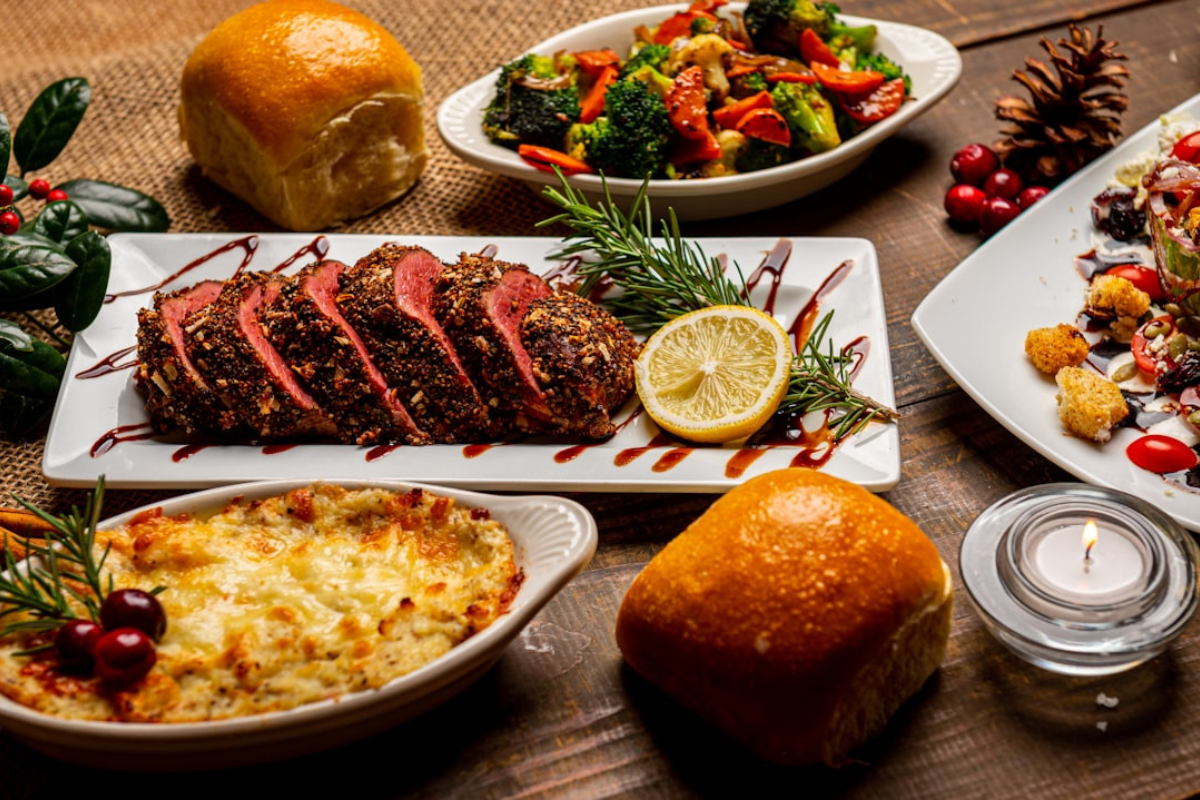
The Christmas Plate:

Navigating Festive Abundance and Brainful Nutrition

The holiday season is a celebration of abundance: fiery roasts, sweet treats, crackling sides, and family traditions. With indulgence often taking center stage, it’s easy to feel pulled between savoring every bite and aiming for steady energy, focus, and mood. For those of us juggling ADHD challenges or supporting someone who does, the good news is you don’t have to choose between festivity and function. By leaning into a few nutrient-rich options — even in small amounts — you can nourish attention, mood, and energy while still enjoying the holiday feast.

Top 5 nutrients an ADHD brain tends to benefit from Note: ADHD is diverse; individual needs vary. The following nutrients are commonly discussed in research and clinical guidance for supporting attention, executive function, mood, and sleep. This list emphasizes practical sources you can find in many Christmas menus.

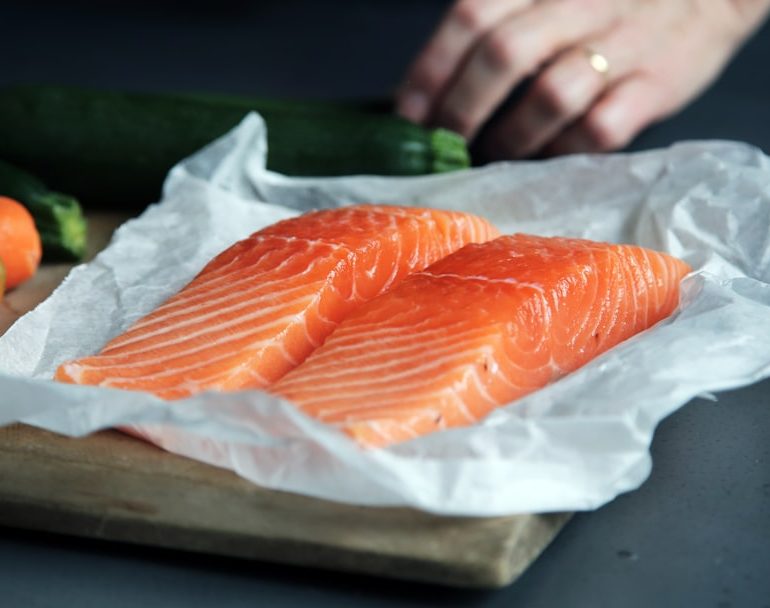
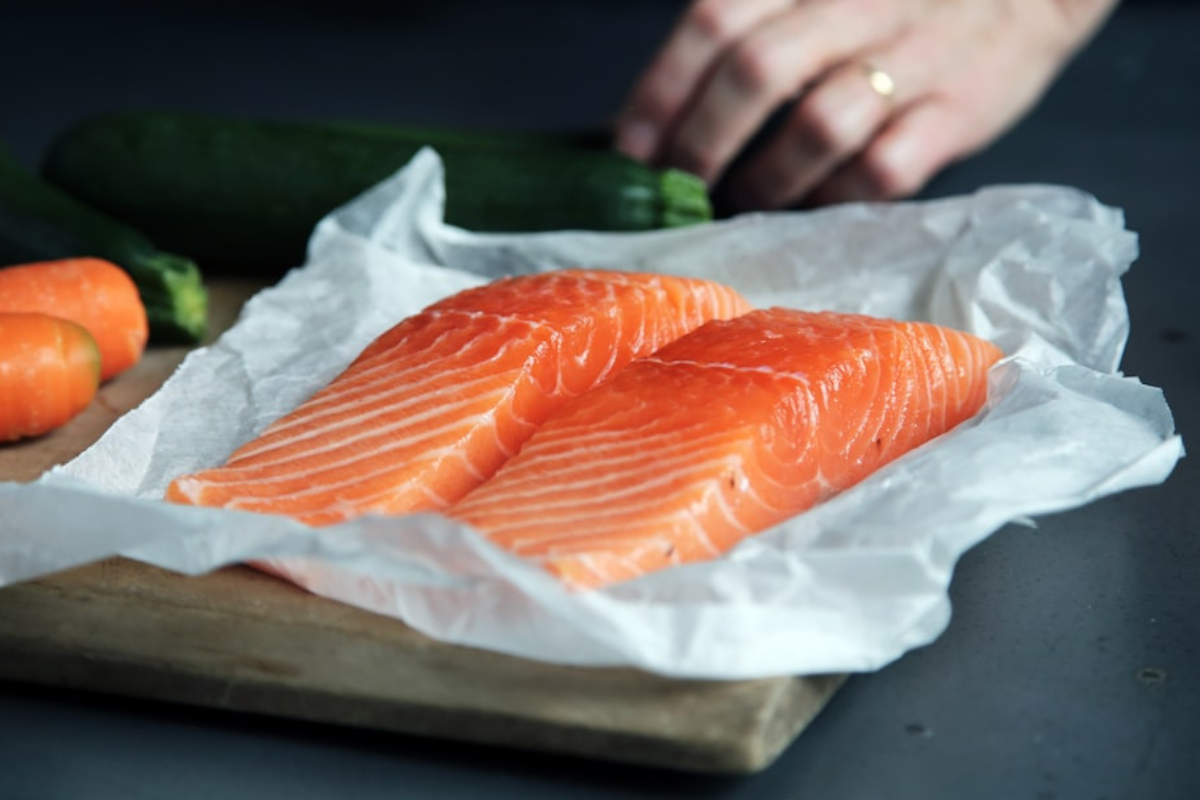
  1. Omega-3 fatty acids (EPA and DHA) What they help with: brain cell membrane health, inflammation modulation, attention, and mood stability. Christmas hits: fatty fish (salmon, sardines), and in some homes, seafood platters or smoked fish. If you have a traditional Christmas Eve or Christmas Day fish course, you’re already in a good position.
  2. Zinc What it helps with: neurotransmitter function, taste, appetite regulation, and sleep. Christmas hits: roast beef or turkey (often a zinc-rich protein) and seeds/nuts used in stuffing or side dishes; dairy and certain gravies can also contribute.
  3. Iron (and ferritin for storage) What it helps with: oxygen transport to the brain, energy, and concentration. Christmas hits: red meats (beef, lamb), turkey, sweet potatoes (for non-heme iron in plant-heavy meals when paired with vitamin C-rich sides to boost absorption).
  4. Magnesium What it helps with: relaxation, sleep quality, calmness, and neurochemical balance. Christmas hits: leafy greens in sides, whole-grain breads or rolls, nuts and seeds, dark chocolate in desserts, and some festive beverages with nut milks.
  5. Vitamin B12 (cobalamin) What it helps with: energy metabolism, mood, and nerve function. Christmas hits: animal products like meat, fish, eggs, and dairy often present in holiday spreads; fortified plant milks and cereals can also contribute.
Notes on absorption and practical tips
  • Pair iron-rich foods with vitamin C–rich foods (e.g., citrus, peppers, tomatoes) to boost absorption when you’re focusing on plant-based options or mixed menus.
  • If you’re choosing plant-based proteins, combine sources (legumes with grains) to maximize amino acid availability and support overall brain health.
  • Hydration and steady meal timing matter. A little planning helps prevent energy dips between courses.

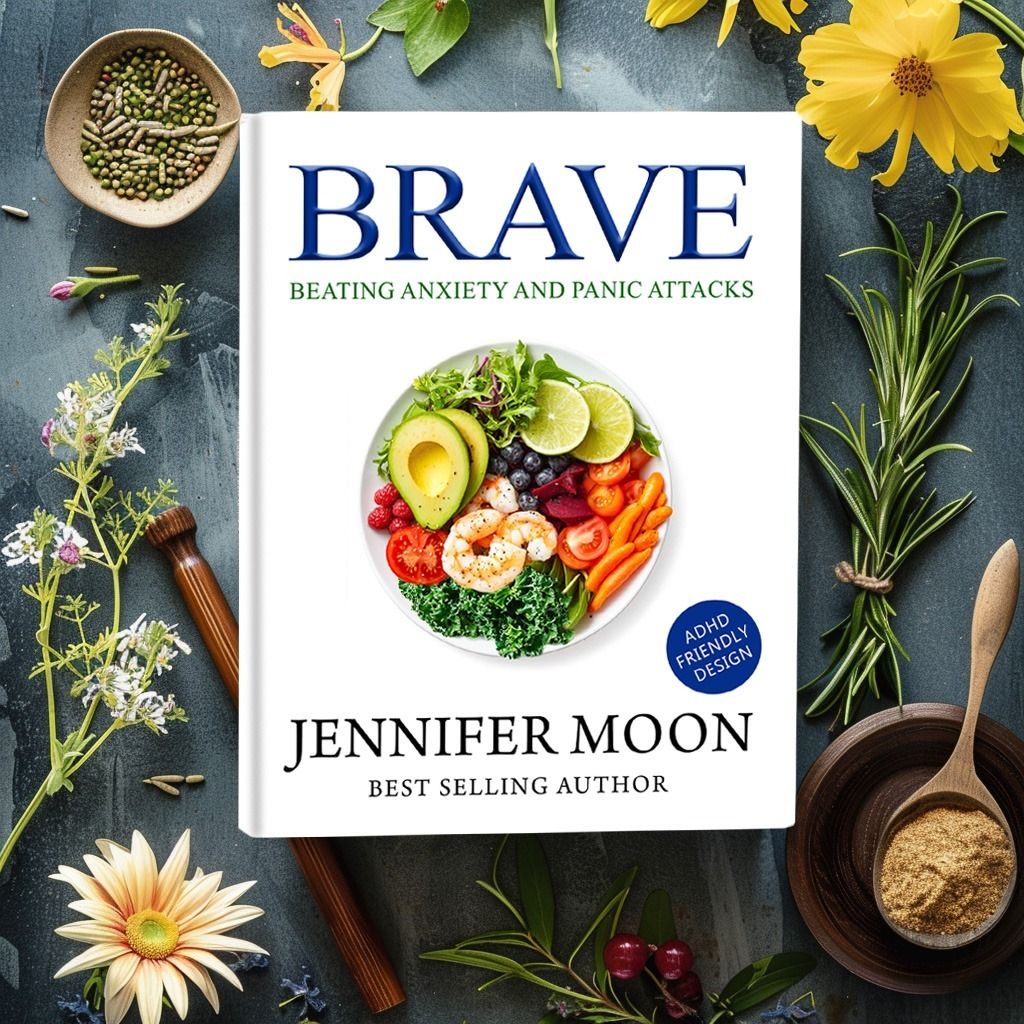
BUY THE BOOK

If you’re going to indulge, make sure you indulge in these Christmas foods Rather than aiming for perfection, consider centering celebrations around a few crowd-pleasers that also deliver the nutrients above. Here are festive foods you can (and should) savor, with a nutrient-focused lens.

  • Roasted salmon or sardine pâté on baguette slices Why: rich in omega-3s and high-quality protein to support focus and mood. Quick tip: add a squeeze of lemon and a handful of herbs to boost flavor and vitamin C.

  • Roast beef or turkey with spinach (or greens) Why: iron and zinc; spinach adds non-heme iron with vitamin C partners in the side dish by design. Quick tip: serve with roasted peppers or citrus wedges to enhance iron absorption.
  • Holiday greens with sesame seeds or pumpkin seeds Why: magnesium and zinc sources; seeds offer healthy fats for brain health. Quick tip: a light olive oil drizzle and a lemon dressing can brighten flavors and boost nutrient uptake.
  • Whole-grain rolls or barley-based sides Why: magnesium and B vitamins; steady energy from complex carbs. Quick tip: pair with fish or poultry to keep meals balanced.
  • Stuffing with nuts and cranberries Why: adds healthy fats and micronutrients; nuts supply magnesium and zinc; cranberries add vitamin C. Quick tip: choose versions with whole grains and minimal added sugars.
  • Dark chocolate (70% cacao or higher) Why: mood support and brain-healthy fats; in moderation, it can be a satisfying indulgence. Quick tip: pair with nuts or fruit to balance sugar and fat.
  • Yogurt or a dairy-based dessert with berries Why: calcium and B vitamins; protein helps transit from feast to focus. Quick tip: choose plain yogurt and add fresh fruit to control added sugars.
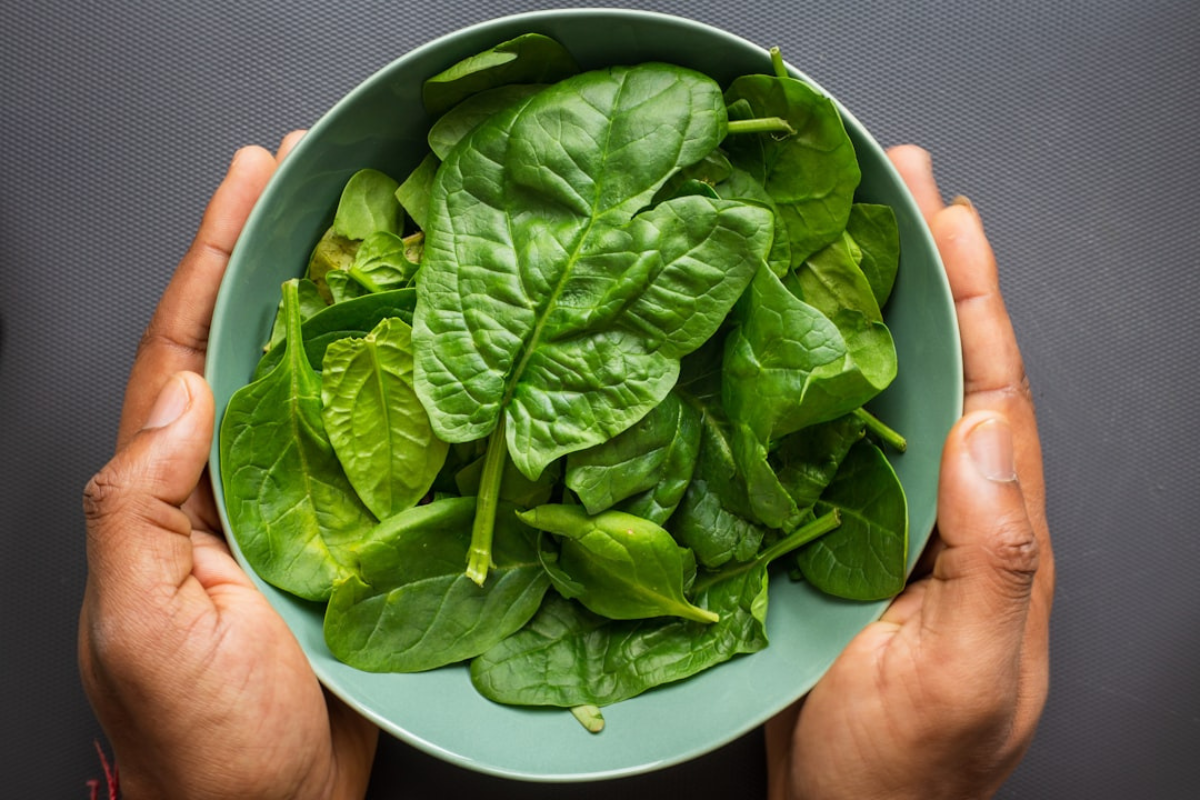
Photo by Shashi Chaturvedula on Unsplash
Follow us on TikTok

Every day we post information on nutrition, anxiety, panic attacks and lots more. Follow us on TikTok so you do not miss out.

FOLLOW US ON TIKTOK

Practical planning for a balanced festive feast
  • Create a “focus-friendly plate” concept: fill roughly half with colourful vegetables and fruit, a quarter with lean protein, and a quarter with whole grains or starchy sides. Then add a small portion of indulgent items.
  • Load up on non-starchy vegetables; they add fiber, micronutrients, and satiety without spiking blood sugar.
  • If you drink alcohol, do so in moderation and alongside water to reduce dehydration and maintain steady energy.
  • Prioritize sleep in the days surrounding big meals. ADHD often benefits from consistent sleep to support mood and attention.Until next time 🙂
 

21Nov

Focus Fuel Newsletter

Hi there! This issue is all about vitamins that can support focus, mood, energy, and brain health: Vitamin C, Vitamin B6, and Vitamin B12. Plus fast, tasty recipe ideas that pack these vitamins into your day.

Why these vitamins matter for an ADHD brain
  • Vitamin C (ascorbic acid)

    • What it does: Antioxidant that supports brain health, helps protect brain cells from oxidative stress, and aids in the production of neurotransmitters like dopamine and norepinephrine.

    • Quick takeaway: A calm, resilient brain needs good antioxidant support to help manage stress and energy fluctuations.

  • Vitamin B6 (pyridoxine)

    • What it does: Essential for producing neurotransmitters (dopamine, serotonin, GABA) and for converting food into usable energy. May support mood regulation, sleep, and attention.

    • Quick takeaway: B6 helps turn the fuel you eat into the signals your brain uses to stay focused.

  • Vitamin B12 (cobalamin)

    • What it does: Important for nerve cell health, myelin formation (the insulation around nerves), and energy production. Deficiencies can lead to fatigue and cognitive fog.

    • Quick takeaway: Steady B12 supports steady energy and clearer thinking.

Practical benefits for ADHD symptoms
  • Attention and focus: Adequate B6 and B12 support neurotransmitter balance, which can influence attention and mood regulation.

  • Energy and fatigue: B12, along with B6, plays a role in energy metabolism; adequate levels may reduce daytime sluggishness.

  • Mood and motivation: Vitamin C contributes to overall brain health and may help modulate stress responses, indirectly supporting motivation.

  • Sleep quality: Balanced B6 and B12 levels can influence melatonin and sleep-wake cycles, which are often disrupted in ADHD.

Quick, vitamin-rich recipe ideas (each recipe features vitamin C, B6, and B12-rich foods)

Tip: If you have dietary restrictions or prefer plant-based options, I’ve included veggie-forward and dairy/egg options. For B12 specifically, animal-based sources are the most reliable, so consider fortified foods or a supplement if you’re vegan or vegetarian — consult a healthcare provider.

Sunrise Smoothie Bowl
  • Ingredients (2 servings):

    • 1 cup fortified orange juice or vitamin-C-rich smoothie base (orange, kiwi, pineapple)

    • 1 cup plain yogurt or fortified plant yogurt (for B12 if using dairy-free)

    • 1/2 cup frozen berries (blueberries, strawberries)

    • 1 small banana

    • Handful spinach (optional for extra vitamin C and folate)

    • Toppings: sliced almonds, chia seeds

  • Why it works: Vitamin C from citrus/berries, B12 from yogurt (or fortified plant yogurt), and B6 from yogurt and banana support neurotransmitter production.

  • Quick steps: Blend the juice, yogurt, banana, and berries. Pour into bowls and top with nuts/seeds. Ready in 5 minutes.

Quick Veggie Omelette with a Citrus Kick
  • Ingredients (1 serving):

    • 2 eggs (or scrambled tofu for vegan option)

    • 1/2 cup chopped peppers and spinach (for vitamin C and folate)

    • 1/4 cup shredded cheese (optional for B12 if using dairy)

    • 1/4 cup tomato salsa with lime

  • Why it works: Eggs are a good B12 source if you include dairy; peppers/spinach boost vitamin C; peppers add B6 indirectly via overall B-vitamins synergy.

  • Quick steps: Sauté veggies, add beaten eggs, cook to your preferred doneness, top with salsa. 7–10 minutes.

Salmon Power Bowls (or Tofu Power Bowls)
  • Ingredients (1 serving):

    • 3–4 oz salmon fillet (or baked tofu for plant-based)

    • 1 cup cooked quinoa or brown rice

    • 1/2 cup steamed broccoli or bell peppers

    • 1/4 avocado

    • Dressing: lemon juice, olive oil, a pinch of salt

  • Why it works: Salmon provides B12 and omega-3s; broccoli/bell peppers offer vitamin C and B6 synergy; quinoa provides B-vitamins and energy.

  • Quick steps: Bake or pan-sear salmon/tofu while you heat grains and veggies. Assemble and drizzle with lemon-olive oil dressing. 15–20 minutes.

Follow us on TikTok

Every day we post information on nutrition, anxiety, panic attacks and lots more. Follow us on TikTok so you do not miss out.

Quick tips for ADHD-friendly vitamin intake
  • Consistency over perfection: Try to incorporate one vitamin-C-rich fruit/vegetable, one B6-rich item, and one B12 source at most meals.

  • Pair with protein and healthy fats: Protein and fats help with steady energy and nutrient absorption.

  • Fortified foods can help: If you don’t eat animal products, look for B12-fortified plant milks, yogurts, or cereals.

  • Short prep, big impact: Batch-prep veggies (washed and chopped) and a protein item so you can assemble meals in minutes.

  • Supplements: If you’re concerned about nutrient gaps, talk to a healthcare professional about blood tests and whether a B12 or multivitamin supplement is appropriate for you.

Quick wellness prompts (ADHD-friendly)
  • 60-second focus reset: 1 minute of deep breathing + 2-minute plan for the next task.

  • 5-idea brain dump: Jot down 5 ideas, then pick the top 1 to start.

  • 10-second water check: Keep a glass of water with citrus near your workspace to keep hydration and vitamin C intake steady.

  • Boundaries for screens: 20-minute on, 5-minute off micro-breaks to help sustain attention.

Resources and reminders
  • If you want to dive deeper: Look for reputable sources on ADHD nutrition, such as educational articles from health institutions and peer-reviewed reviews on B-vitamins and cognitive function.

  • If you have dietary restrictions: I’ve written vegetarian/vegan-friendly options above. For B12, fortified foods or a supplement might be necessary if you don’t consume animal products.

  • If you’re considering supplements: Always consult a healthcare provider before starting new vitamins, especially if you have medical conditions or take medications (to avoid interactions).

Closing note Small, steady steps add up. By including vitamin-C-rich fruits and veggies, B6- and B12-containing foods, and quick, tasty meals, you can support your brain’s daily needs without a lot of hassle.

Until next time 🙂

13Nov

ADHD-friendly nutrition: 10 surprising protein-packed foods (plus a spinach twist)

If you’re navigating ADHD, steady energy and focus can hinge on smart nutrition. Many of us assume protein only lives in meat, eggs, or dairy, but plenty of everyday foods contribute meaningful protein without big portions. Here are 10 surprising options, plus a spinach-forward twist to keep things fresh and veggie-forward.

  1. Edamame (young soybeans)

  • Serving: 1 cup shelled edamame (cooked)

  • Quick note: Great as a snack or tossed into salads for a protein boost.

  1. Nutty butter spread (almond or peanut butter) on whole-grain bread

  • Serving: 2 tablespoons peanut butter on a slice of whole-grain bread

  • Quick note: For a protein-rich pairing, choose 100% nuts with no added sugar or hydrogenated oils.

  1. Hummus with veggie sticks

  • Serving: 3/4 cup hummus

  • Quick note: Pair with carrot, cucumber, or bell pepper sticks for crunch and staying power.

  1. Cottage cheese (low-fat or full-fat)

  • Serving: 1/2 cup

  • Quick note: Add fruit or a drizzle of honey for flavor if desired.

  1. Greek yogurt (plain, unsweetened)

  • Serving: 1/2 cup

  • Quick note: Add berries or a sprinkle of nuts for texture and extra satiety.

  1. Roasted chickpeas

  • Serving: 3/4 cup

  • Quick note: Season with paprika, garlic, and a touch of olive oil for a savory snack.

  1. Quinoa

  • Serving: 1 cup cooked

  • Quick note: Pair with a protein-rich topping (e.g., black beans) or mix into salads for a complete, satisfying meal.

  1. Spinach (protein-forward ingredient)

  • Serving: 2 cups cooked spinach

  • Quick note: Spinach contributes plant-based protein along with iron and micronutrients. Pair with beans, lentils, or tofu to boost total protein in a meal.

  1. Seeds (sunflower or pumpkin)

  • Serving: 1/4 cup

  • Quick note: Eat as a snack or sprinkle on yogurt, salads, or oats for a protein and crunch boost.

  1. Lean deli meats (turkey) or spinach-forward wraps

  • Serving: 2–3 oz sliced turkey or a spinach-forward wrap with protein-rich fillings

  • Quick note: If using deli meats, opt for lower-sodium options and pair with whole-grain bases.

Spinach-forward recipe ideas (quick and practical)
  • Spinach and bean sauté: Sauté spinach with white beans, garlic, and olive oil; serve as a quick side or over quinoa.

  • Spinach-powered smoothie: Blend spinach with Greek yogurt, a scoop of protein powder if desired, and frozen fruit for a balanced grab-and-go option.

  • Stuffed whole-grain wrap: Fill a whole-grain tortilla with sautéed spinach, hummus, and sliced turkey or beans for a portable protein meal.

Tips for ADHD-friendly nutrition
  • Balance and consistency: Pair protein with fiber and healthy fats to support steady energy and focus.

  • Sleep and appetite: Adequate protein at meals can help regulate appetite and reduce late-night cravings.

  • Hydration: Water supports cognitive function; pair protein snacks with fluids.

  • Individual variation: Protein needs vary by body size, activity level, and metabolism. If you’re aiming for precise targets, consider keeping a simple food log over a week.

Follow us on TikTok

Every day we post information on nutrition, anxiety, panic attacks and lots more. Follow us on TikTok so you do not miss out.

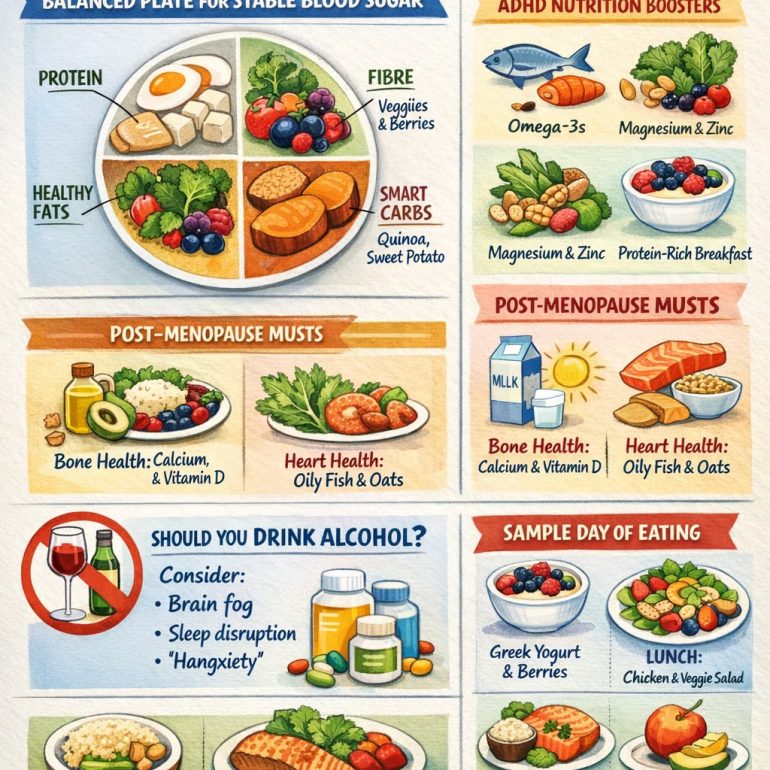
Protein plays a crucial role in supporting neurotransmitter function and brain signaling, which can influence concentration, impulse control, and mood. Including regular, well-timed protein sources throughout the day helps stabilize blood sugar and sustain energy, reducing the spikes and crashes that can make focus more challenging. For many, pairing protein with fiber and healthy fats at meals and snacks creates a steady energy rhythm that supports better self-regulation and daytime functioning. If you’re unsure about your specific needs, a registered dietitian can help tailor a plan that fits your preferences, schedule, and health goals.

Until next time 🙂
05Nov

Breakfast, Balance, and Brain Power: ADHD, Menopause, and a Morning Nutrition Plan

If you’re navigating ADHD and menopause, you’re juggling focus, energy, mood, and sleep in multiple rhythms. What you eat—and when you eat—can play a surprising role in how steady your day feels. This edition explains why breakfast matters more than you might think, how hormones shape appetite and energy during menopause, and concrete, ADHD-friendly breakfast ideas to start your day with focus and calm.

The why: how daily eating supports ADHD (with menopause in the mix)

  • Steady energy equals steadier attention: Skipping meals or erratic eating can cause blood sugar spikes and crashes, which often show up as inattention, irritability, and fatigue. Breakfast sets the baseline for the day.

  • Mood, impulse control, and menopause: Hormonal shifts (see below) can heighten mood variability. Regular nourishment helps stabilize mood and can reduce impulsive snacking, especially when stress or sleep is disrupted.

  • Dopamine, motivation, and hormones: Nutrients that support dopamine pathways matter for motivation and focus. Consistent nutrients help maintain a stable baseline for attention and reward circuits.

  • Sleep, appetite, and hormone cycles: Menopause can disrupt sleep, which in turn affects daytime focus. Eating a balanced breakfast can support a more predictable circadian rhythm and improve daytime alertness.

  • ADHD-friendly timing: For many, a protein-rich breakfast paired with fiber-rich carbs can reduce afternoon energy dips and improve executive function during tasks like planning, organizing, and sustaining attention.

The menopause connection: hormones, appetite, and breakfast
  • Estrogen and progesterone fluctuations around perimenopause and menopause influence appetite, taste changes, and sleep. Some people experience increased hunger or sugar cravings, especially in the evening or in response to sleep disruption.

  • Leptin and ghrelin, which regulate hunger and fullness, can shift with sleep and stress. A morning meal that includes protein and fiber can help signal fullness and reduce mid-morning cravings.

  • Cortisol, the stress hormone, can rise with poor sleep or high stress, which sometimes increases appetite and cravings for quick carbs. A steady breakfast helps temper cortisol spikes across the morning. Practical takeaway: aim for a breakfast that combines protein, fiber, healthy fats, and complex carbs to support stable energy, mood, and appetite regulation through menopause transitions.

What to include at breakfast ( ADHD-friendly, menopause-aware )
  • Protein: supports satiety and dopamine-related pathways for motivation and focus.

  • Complex carbs and fiber: stabilize blood sugar and avoid sharp energy crashes.

  • Healthy fats: support brain function and prolonged energy.

  • Hydration: a glass of water or herbal tea can help with focus and digestion.

Breakfast templates you can customize
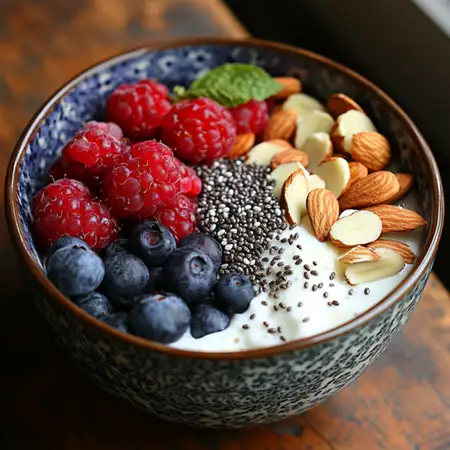
  • Protein-forward bowl: Greek yogurt or fortified plant yogurt with berries, a handful of nuts or seeds, and a drizzle of honey or cinnamon.

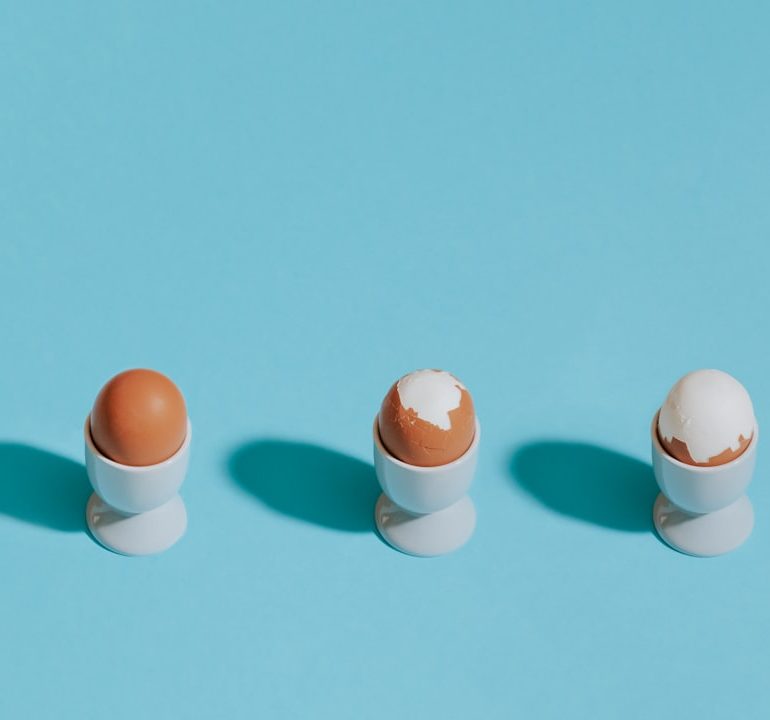
  • Egg-forward plate: Scrambled eggs or an omelet with spinach and tomatoes, a slice of whole-grain toast, and avocado.

  • Power smoothie: fortified plant milk or dairy, a scoop of protein powder, banana, and a tablespoon of nut butter; add a handful of spinach or frozen berries if you like.

  • Breakfast burrito: Whole-wheat tortilla, eggs or tofu scramble, black beans or lentils, salsa, and avocado.

  • Oatmeal with staying power: Rolled oats cooked with milk or fortified plant milk, stirred in chia seeds or ground flax, plus fruit and a spoon of nut butter.

ADHD-friendly quick ideas (5–10 minutes)
  • Yogurt parfait with berries, granola (preferably low-sugar), and a handful of almonds.

  • Whole-grain toast with hummus, sliced cucumber, and smoked salmon or tempeh.

  • Overnight oats prepared the night before: oats, yogurt or kefir, chia seeds, and fruit.

  • A protein shake with 20–30 g protein, a handful of spinach, and a small banana.

Practical strategies for ADHD and menopause
  • Consistent meal timing: Try for a regular breakfast within 1–2 hours of waking. If mornings are hard, prep the night before or choose grab-and-go protein options.

  • Protein-first approach: Aim for 20–30 g of protein at breakfast to support satiety and dopamine pathways that influence motivation and focus.

  • Smart snacking: If meals are delayed, pair a protein source with fiber (e.g., cheese and apple, hard-boiled egg with carrot sticks) to stabilize energy.

  • Sleep-supportive routine: A calm wind-down and consistent sleep schedule improve next-day appetite regulation and focus.

  • Hydration habit: Start with a glass of water at wake-up, then include a warm beverage with breakfast.

Photo by Shashi Chaturvedula on Unsplash


Follow us on TikTok

Every day we post information on nutrition, anxiety, panic attacks and lots more. Follow us on TikTok so you do not miss out.


Common myths (and truths)
  • Myth: Carbs make you sleepy. Truth: It’s not carbs alone but the type and timing. Complex carbs with protein and fiber stabilize energy; refined carbs without protein can spike blood sugar and may worsen fatigue later.

  • Myth: Menopause means you gain weight inevitably. Truth: Weight changes are influenced by activity, sleep, stress, and diet quality. Breakfast quality and regular meals can help manage appetite and energy.

Practical plan for a typical ADHD-friendly breakfast routine
  • Step 1: Pick a protein + fiber foundation (yogurt with berries and seeds; eggs with whole-grain toast and avocado; a protein shake plus a piece of fruit).

  • Step 2: Add a healthy fat (a handful of nuts, avocado, or olive oil on vegetables).

  • Step 3: Include a complex carb (whole-grain toast, oats, or fruit).

  • Step 4: Hydrate and, if you like, add a small, caffeine-containing beverage with mindfulness (to avoid jitters or crashes).

Sample 7-day breakfast ideas (ADHD-friendly, menopause-aware)
  • Day 1: Greek yogurt bowl with mixed berries, chia seeds, and almonds; whole-grain toast on the side.

  • Day 2: Veggie omelette (spinach, tomatoes, mushrooms) with avocado on a slice of whole-grain toast.

  • Day 3: Protein smoothie with fortified plant milk, whey or plant-based protein, banana, and a teaspoon of peanut butter.

  • Day 4: Oatmeal made with milk, topped with flaxseeds, blueberries, and a dollop of almond butter.

  • Day 5: Breakfast burrito with eggs, black beans, salsa, avocado, and a whole-wheat tortilla.

  • Day 6: Cottage cheese or ricotta bowl with pineapple chunks, walnuts, and a sprinkle of cinnamon.

  • Day 7: Tofu scramble with peppers and onions, served with quinoa or brown rice and a side of fruit.

Until next time 🙂

31Oct

Fuel Your Focus: Why Regular Eating Matters for ADHD

Breakfast really is your most important meal of the day.

I am very excited to announce that I am currently writing a new recipe book, specifically designed for anyone who has ADHD. So my newsletter this week focuses on why eating is so important, but also what to eat.

If you or someone you care for has ADHD, you’ve likely discovered that focus, energy, and mood aren’t just about willpower or routines—they’re also about how you’re fueling your brain and body throughout the day. Eating regularly, starting with a solid breakfast and focusing on nutrient-dense choices, can support steady energy, improved attention, and better mood regulation. This edition explores the science, myths, and practical steps to get meals and snacks that support attention and executive function.

The why: how daily eating supports ADHD
  • Steady energy equals steadier attention: When you skip meals or binge irregularly, blood sugar can spike and crash, which can worsen inattention, irritability, and fatigue.
  • Mood and impulsivity: Regular nourishment helps stabilize mood swings and may reduce impulsive eating or snacking.
  • Dopamine and motivation: Certain nutrients influence dopamine pathways, which play a key role in motivation, reward, and focus. Consistent intake helps maintain a stable baseline for these systems.
  • Sleep and appetite cycles: Consistent eating patterns can support regular sleep, which in turn improves daytime focus and executive function.


BUY THE BOOK

Breakfast: the foundation of the day
  • Why breakfast matters for ADHD: A balanced breakfast can reduce mid-morning energy slumps, supporting sustained attention for school, work, or tasks.
  • Quick, practical breakfast ideas:
    • Protein-forward options: Greek yogurt with berries and a sprinkle of nuts; eggs (boiled, scrambled, or an omelet) with whole-grain toast and avocado; a protein smoothie with milk or fortified plant milk, a scoop of protein, and a banana.
    • Whole grains + fiber: Oatmeal topped with chia seeds, flax, and sliced fruit; whole-grain toast with peanut or almond butter and a side of fruit.
    • Savory options: Scrambled eggs with spinach and tomatoes, whole-grain toast; a breakfast burrito with eggs, beans, veggies, and a whole-wheat tortilla.
  • What to include: aim for a balance of protein, complex carbs, fiber, and healthy fats. This supports steady glucose, which helps with attention and mood.


Photo by Shashi Chaturvedula

Follow us on TikTok

Every day we post information on nutrition, anxiety, panic attacks and lots more. Follow us on TikTok so you do not miss out.


FOLLOW US ON TIKTOK

Protein: the building block for focus and dopamine
  • Why protein matters: Protein supplies amino acids, including tyrosine, a precursor to dopamine—a neurotransmitter linked to motivation, reward, and focus.
  • How to use it strategically:
    • Include a protein source at every meal and snack to sustain dopamine production and satiety.
    • Pair protein with fiber-rich carbs to slow digestion and keep blood sugar stable.
  • Practical protein ideas:
    • Animal-friendly: eggs, Greek yogurt, cottage cheese, chicken, turkey, lean beef, fish (salmon, tuna).
    • Plant-based: beans, lentils, lentil or chickpea soups, tofu, tempeh, edamame, quinoa (a complete protein), nuts and seeds.
    • Snackable options: cheese sticks, jerky (watch sodium), hummus with veggie sticks, a protein shake, a handful of almonds.
  • Daily targets (general guidance): protein needs vary by age, weight, and activity. A common starting point is roughly 0.8–1.0 grams of protein per kilogram of body weight for many adults; athletes or those with higher needs may benefit from 1.2–2.0 g/kg. Consult with a clinician for personalized targets.

Dopamine, mood, and appetite: what to eat for balance

  • Dopamine-friendly nutrients:
    • Tyrosine-rich foods: chicken, turkey, eggs, dairy, soy, fish, avocados, bananas.
    • Omega-3 fatty acids: fatty fish (salmon, sardines), flaxseeds, chia seeds, walnuts; may support dopamine function and brain health.
    • B-vitamins: leafy greens, whole grains, dairy, eggs; important for energy metabolism.
    • Antioxidants: colorful fruits and vegetables help reduce oxidative stress that can affect brain function.
  • Hydration and caffeine:
    • Small, steady caffeine intake (when appropriate) can aid attention for some people, but avoid relying on caffeine to the point of sleep disruption or anxiety.
    • Hydration influences alertness; aim for regular water intake through the day.
  • Magnesium and zinc: some evidence suggests these minerals support mood and energy for some individuals, though supplements should be discussed with a healthcare professional.

What you should be eating as ADHD: practical guidelines

  • Aim for regular meals and snacks every 3–4 hours to maintain blood sugar and energy.
  • Build meals with:
    • A protein source (as listed above).
    • A fiber-rich carbohydrate (fruit, vegetables, whole grains, legumes).
    • Healthy fats (olive oil, avocado, nuts, seeds).

Practical tips to implement

  • Consistency over perfection: small, steady changes beat radical early-week binges. Start with a reliable breakfast for two weeks.
  • Timers and reminders: set a reminder to eat at regular intervals, especially if you have a busy or variable schedule.
  • Gentle routines: pair meals with existing habits (e.g., place breakfast items on the table at the same time you brush your teeth).
  • Seek support: if ADHD symptoms are impacting nutrition or you have concerns about energy or mood, consider talking with a clinician, nutritionist, or therapist.

When to seek personalized guidance

  • If you have concurrent medical conditions, food intolerances, or take medications that interact with nutrition.
  • If you’re experiencing persistent mood issues, significant sleep disruption, or significant appetite regulation difficulties.
  • If you’re considering supplements or special diets, consult a healthcare professional to avoid interactions or nutrient imbalances.

Regular, protein-rich meals anchored by a mindful balance of complex carbs and healthy fats can support stable energy, better mood, and improved focus for many people with ADHD. A simple, sustainable approach—prioritize breakfast, include protein at every meal, and plan easy, nutrient-dense snacks—can make a meaningful difference in daily functioning and well-being.

Until next time 🙂

02Oct

Embrace Change: Strength, Sleep, and Nutrition Through Menopause and Perimenopause

Strength, Sleep, and Nutrition

Menopause and it’s transitional phase perimenopause are a natural part of life which brings changes. The good news: strength training, thoughtful nutrition, and smart sleep strategies can ease symptoms, support bone and heart health, and empower you to feel strong and energized in your 40s, 50s, and beyond.

Understanding the Transition: Perimenopause and Menopause
  • Perimenopause: The years leading up to menopause when cycles become irregular and hormones (especially estrogen and progesterone) fluctuate. Symptoms may include sleep disturbances, hot flashes, mood changes, weight gain around the abdomen, and changes in energy.
  • Menopause: The point at which you have not had a menstrual period for 12 consecutive months. Hormonal changes continue to influence bone, muscle, cardiovascular, and metabolic health.
  • Why it matters: After menopause, lower estrogen is associated with reduced bone density, potential loss of lean mass, changes in fat distribution, and changes to sleep and mood. Proactive health strategies can mitigate these risks.

BUY THE BOOK

The Benefits of Strength Training for Women Over 40 Why it matters:
  • Builds and preserves lean muscle mass (mitigating age-related sarcopenia).
  • Supports bone health, reducing osteoporosis risk through mechanical loading.
  • Improves metabolic rate and insulin sensitivity, helping with weight management and energy.
  • Enhances balance, reducing fall risk.
  • Supports sleep and mood via endorphin release and improved body confidence.
What to focus on:
  • Frequency: Aim for 2–4 days per week with full-body sessions or a split routine.
  • Intensity: Progressive overload is key. Start with lighter weights to learn form, then gradually increase resistance. Reps typically in the 6–12 range for strength and 12–20 for muscular endurance.
  • Compound movements: Prioritize squats, lunges, deadlifts, presses, rows, push-ups (or incline push-ups), and hip hinge movements. These engage multiple joints and muscle groups efficiently.
  • Technique and safety: Proper form reduces injury risk. Consider a few sessions with a qualified trainer to establish a solid baseline.
  • For bone health: Include weight-bearing and resistance movements (e.g., squats, step-ups, and farmer’s walks) and ensure some high-impact or impact-modulated activities if appropriate for your joints.
Follow us on TikTok

Every day we post information on nutrition, anxiety, panic attacks and lots more. Follow us on TikTok so you do not miss out.


FOLLOW US ON TIKTOK

Supplements to Support Sleep and Overall Health

(Consult your clinician before starting any supplement, especially if you have medical conditions or take medications) Note: Supplements are not a replacement for a balanced diet, exercise, and medical care.

Sleep-focused options:
  • Melatonin: Helpful for occasional sleep-onset difficulties. Typical dose range 0.5–3 mg about 30–60 minutes before bed. Start low to minimize grogginess.
  • Magnesium (glycinate or citrate): May improve sleep quality and support muscle relaxation. 200–400 mg in the evening, avoid taking with a large calcium supplement at the same time if stomach upset occurs.
  • Zinc and Vitamin B6: In some individuals, may support sleep quality; use within recommended daily allowances.
Menopause-related symptom support:
  • Vitamin D3 + Calcium: Supports bone health; aim for 600–800 IU vitamin D (adjust by blood levels and clinician guidance) and 1000–1200 mg calcium daily, unless dietary intake suffices.
  • Vitamin K2 (MK-7): Supports calcium utilization for bone health; 90–120 mcg daily is a common dose.
  • Omega-3 fatty acids (EPA/DHA): Anti-inflammatory benefits and potential mood support; 1,000–2,000 mg combined daily, from fish oil or algae sources.
  • Vitamin B-complex: Supports energy metabolism and mood; choose a balanced B-complex or individual B vitamins as advised.
Hormonal and bone health considerations:
  • Phytoestrogens: Some women find soy or red clover helpful for hot flashes, but research is mixed and timing with menopause varies. Consult a clinician if you have hormone-sensitive conditions or a history of breast cancer.
  • Magnesium, calcium, and vitamin D form the core bone health trio; keep an eye on total calcium intake from both diet and supplements.
Safety Notes
  • Avoid high-dose isoflavone or phytoestrogen supplements without medical supervision.
  • If you have kidney disease, a history of kidney stones, avoid certain supplements unless cleared by a healthcare provider.
  • Always check for interactions with medications (e.g., blood thinners, osteoporosis meds, antacids) and choose third-party tested products.
Nutrition to Support Perimenopause and Menopause Key principles:
  • Protein at each meal: Supports muscle maintenance and satiety. Targets vary with body weight and activity, but a typical range is 25–40 g per main meal, with a protein-rich snack if needed.
  • Balanced fats: Include sources of omega-3 fats (fatty fish, walnuts, flaxseeds) and monounsaturated fats (olive oil, avocado) to support heart health and inflammation balance.
  • Complex carbohydrates and fiber: Emphasize whole grains, legumes, fruits, vegetables to support gut health and energy stability. Fiber also helps with digestion and cholesterol management.
  • Calcium and bone-supportive nutrients: Emphasize dairy or fortified alternatives, leafy greens, fortified foods, and soy products as appropriate. Vitamin D status influences calcium absorption.
  • Hydration and electrolytes: Women often experience shifts in hydration; ensure adequate water intake and replenish electrolytes if experiencing hot flashes or night sweats.
  • Meal timing: A steady protein-forward intake across meals helps with muscle retention and appetite control. Consider a protein-rich snack in the evening if sleep is disrupted by hunger.
Representative dietary patterns:
  • Mediterranean-style approach: Emphasizes vegetables, fruits, whole grains, legumes, fish, olive oil, and moderate dairy. Associated with cardiovascular and metabolic benefits.
  • Adequate protein distribution: Aim for 0.8–1.2 g/kg body weight per day for sedentary to moderately active adults; higher for those actively training or aiming to preserve/build muscle.
  • Plant-forward options: Include legumes, tofu, tempeh, lentils, and quinoa for variety and fiber; these also help with menopause-related weight management.
Sample day plan:
  • Breakfast: Greek yogurt with berries, a handful of almonds, and a drizzle of honey; or a veggie omelet with whole-grain toast.
  • Lunch: Grilled chicken or chickpea salad with quinoa, mixed greens, cherry tomatoes, olive oil, and lemon vinaigrette.
  • Snack: Apple with peanut butter or a protein smoothie with spinach, frozen berries, protein powder, and flaxseeds.
  • Dinner: Baked salmon, roasted vegetables, and a side of farro or brown rice.
  • Evening option: If needed for sleep, a small protein-rich snack like cottage cheese with sliced cucumber.s, calmer minds, and sharper focus for after-school and after-work moments.
Hydration and beverages:
  • Water should be the primary drink. Include herbal teas; limit highly caffeinated beverages late in the day to avoid sleep disruption.
Lifestyle and mindset tips:
  • Sleep hygiene: Create a calming pre-bed routine, keep a consistent bed and wake time, limit screens before bed, and keep the bedroom cool and dark.
  • Stress management: Mindfulness, gentle yoga, or breathing exercises can ease sleep disturbances and mood fluctuations.
  • Body composition over scale: Focus on strength gains, energy levels, and functional improvements rather than only weight.
When to seek medical advice:
  • New or severely worsened symptoms (extreme hot flashes, sleep loss leading to safety concerns, or severe mood changes).
  • Sudden, unintentional weight loss or gain beyond typical fluctuations.
  • Persistent joint pain or new bone health concerns.
  • If you are considering hormone therapy or have a history of breast, uterine, or other hormone-sensitive cancers; discuss options with your clinician.

Menopause and perimenopause are a natural phase, not a limitation. With consistent strength training, thoughtful nutrition, and sleep strategies, you can maintain strong bones, steady energy, and a resilient mindset.

Until next time 🙂

25Sep

Sleep

How magnesium can support a good nights sleep
Q&A: Sleep, mental health, and magnesium
  • Q: Why is sleep so tied to mental health?
  • A: Sleep supports emotional regulation, memory consolidation, and stress resilience. Poor or inconsistent sleep can amplify anxiety, depression, and irritability, while good sleep improves mood, focus, and coping with daily stress. 
  • Q: Can magnesium really help me sleep?
  • A: Magnesium helps calm nervous system signaling, supports GABAergic activity, and may improve sleep quality for some people, especially if they have suboptimal magnesium levels. It’s most effective when used alongside good sleep habits and under professional guidance if you have health conditions. 
  • Q: How should I take magnesium to help sleep?
  • A: Take it 30–60 minutes before bedtime, with a dose determined by your label or a clinician. Common nightly amounts range from 200–400 mg. If you experience GI upset, try a gentler form or take with a small snack. 
  • Q: Are there risks or who should avoid magnesium supplements?
  • A: If you have kidney disease, are pregnant or nursing, or take certain medications (like some antibiotics or osteoporosis meds), consult a healthcare provider before starting. Always follow label directions. 
  • Q: What if I still have sleep difficulties despite magnesium?
  • A: Revisit sleep hygiene, consider cognitive-behavioral approaches for insomnia, assess for sleep disorders (like sleep apnea), and discuss with a doctor. Supplements are supportive, not a substitute for professional care when needed.
Why sleep matters for mental health
  • Sleep as brain maintenance: The brain clears waste, consolidates memories, and reinforces neural connections during sleep—essential for learning, emotional regulation, and cognitive flexibility.
  • Mood regulation: Restorative sleep balances stress hormones and neurotransmitters, reducing anxiety and irritability while supporting motivation.
  • Resilience and decision-making: Solid sleep strengthens executive function, aiding planning, impulse control, and problem-solving under stress.
  • Sleep disturbances and mental health: Many conditions feature sleep problems; prioritizing sleep can lessen symptom severity and improve outcomes.


BUY THE BOOK

How sleep supports the body
  • Immune health: Sleep modulates immunity and lowers inflammatory markers linked to mood changes.
  • Metabolic balance: Sleep influences appetite hormones and glucose metabolism, affecting energy and mood.
  • Hormonal harmony: Circadian rhythms govern growth and endocrine function, aiding tissue repair and cognitive performance.
  • Stress response: Good sleep dampens chronic HPA axis activation, reducing fatigue and stress spillover.
Why magnesium is beneficial for sleep
  • Relaxation and signaling: Magnesium aids nerve signaling and muscle relaxation, supporting a calm state conducive to sleep onset.
  • GABA support: It supports GABA receptor function, promoting quiet in the brain as you wind down.
  • Sleep architecture: Evidence suggests magnesium can improve sleep quality and reduce awakenings, particularly with insufficiency.
  • Stress modulation: Involves adrenal function and stress perception, which can otherwise disrupt sleep.
  • Muscle comfort: Helps with leg cramps or restlessness that interfere with sleep.
Follow us on TikTok

Every day we post information on nutrition, anxiety, panic attacks and lots more. Follow us on TikTok so you do not miss out.


FOLLOW US ON TIKTOK

At-home sleep checklist
  • bed time routine: 60 minutes before bed, engage in relaxing activities (breathing, stretching, light reading)
  • wake time consistency: Same wake time every day; avoid long weekend lie-ins
  • environment check: Temperature 60–67°F (15–19°C), dark, quiet, and comfortable bedding
  • electronic curfew: Power down screens at least 60 minutes before bed; use blue-light filters if needed
  • caffeine and meals: No caffeine after mid-afternoon; avoid heavy meals 2–3 hours before bed
  • light exposure: Get natural light during the day; dim evening lighting to cue sleep
  • physical activity: Regular movement, but finish intense workouts 3–4 hours before bedtime
  • magnesium routine: If using Nutrition Geeks magnesium, take 30–60 minutes prior to bed as directed
  • crisis signals: If sleep problems persist for weeks or involvement with mental health symptoms worsens, seek professional guidance

Thank you for reading. Here’s to nourished bodies, calmer minds, and sharper focus for after-school and after-work moments.

By incorporating these tips and tricks into your routine, you can cultivate a vibrant and healthy lifestyle that flourishes throughout the year.

Until next time 🙂

18Sep

5 Simple Wellness Ideas

To support mental health this winter

As the days grow shorter and the nights draw in, many of us notice a shift in mood, energy, and motivation. To help you feel grounded, resilient, and a little brighter through the coming winter, here are five accessible wellness ideas that support mental health. Each idea includes why it helps and practical tips for getting started.

Red light therapy Why it helps:
  • Might support circadian rhythm and mood by signaling your body to regulate sleep-wake patterns.
  • Can help reduce inflammation and support skin health, which can influence mood and well-being.
  • A low-effort, low-stress practice you can do at home or in a clinic.
How to use it:
  • Aim for 10–20 minutes in the morning a few days a week. Consistency matters more than duration.
  • Place the device at a comfortable distance recommended by the manufacturer (usually within a few inches to a foot) and avoid staring directly at the light.
  • Pair with a short morning routine (e.g., coffee, brushing teeth, or a light stretch) to create habit anchors.
Tips for winter:
  • Winter light is dim; red light therapy can provide a gentle mood lift and support daytime alertness.
  • If you’re sensitive to light or have eye conditions, consult a clinician before starting.


Sauna or steam bath Why it helps:

  • Heat exposure can promote relaxation, improve circulation, and reduce perceived stress.
  • Regular sauna sessions have been linked with improved mood and reduced symptoms of anxiety in some studies.
  • Time away from screens and a chance for quiet reflection can be restorative.
How to use it:
  • Start with 10–15 minutes at a comfortable temperature, then gradually increase as you feel tolerant.
  • Hydrate before and after; listen to your body and leave if you feel lightheaded or uncomfortable.
  • Create a ritual: a warm shower afterward, a book, calming music, or gentle breathing.
Tips for winter:
  • Sauna sessions can be a comforting routine on cold days, helping muscles relax after outdoor activity.
  • If you’re new to sauna use or have cardiovascular concerns, check with a healthcare professional first.
Cold water immersion or cold exposure Why it helps:
  • Brief exposure to cold can stimulate endorphins and norepinephrine, potentially boosting mood and resilience.
  • It may improve stress tolerance and alertness, which can be particularly helpful during winter fatigue.
  • The practice often includes a sense of accomplishment and control, supporting self-efficacy.
How to use it:
  • Start with safe, gradual steps: end your shower with 15–30 seconds of cool water, then gradually extend as tolerated.
  • For more intentional practice, try a 2–3 minute cold plunge in clean water, with a buddy or near a supported environment.
  • Focus on controlled breathing (inhale through the nose, exhale through the mouth) to ease the transition.
Tips for winter:
  • Cold exposure can feel intense; never push through pain, numbness, or burning; warm up gradually after.
  • If you have cardiovascular or circulation concerns, consult a clinician before starting.


BUY THE BOOK

Movement and gentle endurance (walks, mobility, light strength) Why it helps:
  • Regular movement releases endorphins, supports sleep, reduces anxiety, and boosts mood.
  • Short, consistent sessions are more sustainable than intense sporadic workouts, especially when days are dark.
  • Fresh air and natural light on outdoor walks can help regulate mood and energy.
How to use it:
  • Schedule a 20–30 minute walk most days, aiming for a rhythm you enjoy (brisk pace or a comfortable stroll).
  • Mix in 5–10 minutes of simple stretches or mobility work to counter stiffness from indoor days.
  • If you prefer indoor activity, try a short home workout video or a gentle yoga routine.
Tips for winter:
  • Bundle up and plan pre- or post-work walks with a friend or a podcast to look forward to.
  • Let daylight be your cue: get outside during daylight hours, even if for a brief moment.
Mindful practices: breathing, journaling, and social connection Why it helps:
  • Mindful breathing and journaling can lower stress hormones, improve emotional awareness, and foster a sense of control.
  • Social connection buffer: staying connected with friends, family, or community groups supports mood and resilience.
  • Winter can magnify feelings of isolation; intentional practices help counteract that trend.
How to use it:
  • Breathing: try 4-6 rounds of box breathing (inhale 4 seconds, hold 4, exhale 4, hold 4) for 2–3 minutes daily.
  • Journaling: jot down three things you’re grateful for, one stressful thought with a potential action, and one win of the day.
  • Social check-ins: schedule a weekly call or in-person meet-up with a friend or family member, even if brief.
Tips for winter:
  • Create a small, cozy ritual: a warm drink, a scented candle, and 5 minutes of quiet reflection.
  • If loneliness intensifies, consider joining a local group or online community with shared interests.


VIEW RECIPES

Follow us on TikTok

Every day we post information on nutrition, anxiety, panic attacks and lots more. Follow us on TikTok so you do not miss out.


FOLLOW US ON TIKTOK

A few practical notes
  • Start small: choose 1–2 ideas to begin this month, then gradually add others as you feel comfortable.
  • Listen to your body: if any activity causes persistent discomfort or dizziness, pause and consult a healthcare professional.
  • Personalization matters: what works well varies from person to person. It’s okay to adapt these ideas to fit your preferences, schedule, and access.
  • Safety first: especially with sauna and cold exposure, ensure you’re well-hydrated, not pregnant or with certain medical conditions without medical clearance, and avoid extremes.
Wishing you warmth, light, and steady calm this winter.

Thank you for reading. Here’s to nourished bodies, calmer minds, and sharper focus for after-school and after-work moments.

By incorporating these tips and tricks into your routine, you can cultivate a vibrant and healthy lifestyle that flourishes throughout the year.

Until next time 🙂

11Sep

After-School Snacks for Calm and Focus

Tips for Kids and Adults

Afterschool is a busy time for minds and bodies. After a day of classes, activities, and homework, we all benefit from snacks that support calm, focus, and steady energy. In this issue, you’ll find practical snack ideas for kids and adults, science behind how food fuels attention, and simple strategies to turn snack time into a moment of reset and resilience.

Why snacks matter for calm and focus
  • Energy balance: Stable blood sugar helps mood, attention, and behavior. Sudden spikes and crashes can lead to irritability or fatigue.
  • Brain fuel: Nutrient-dense snacks provide steady energy and essential nutrients for memory, attention, and learning.
  • Routine and boundaries: Predictable snack times reduce stress and support better self-regulation after school.
Snack ideas for kids (kid-friendly, quick, and tasty)
  • Apple slices with almond butter or peanut butter
  • Whole-grain crackers with cheese and cucumber
  • Yogurt parfaits with berries and a sprinkle of granola
  • Hummus with carrot sticks and cherry tomatoes
  • Cheese stick, small handful of grapes, and a few whole-wheat crackers
  • Mini smoothies: spinach, frozen fruit, yogurt, and a splash of milk or nondairy alternative
  • Oatmeal cups with sliced banana and a drizzle of honey (prepared the night before)

BUY THE BOOK

Snack ideas for adults (tasty, balanced, and energizing)
  • Greek yogurt with sliced fruit and nuts
  • Whole-grain toast with avocado and a poached egg
  • Cottage cheese with pineapple or berries
  • Mixed nuts, dried fruit, and a few dark chocolate chips
  • Veggies with hummus plus a whole-grain pita
  • Smoothie with protein powder, spinach, berries, and flaxseed
  • Overnight oats with chia seeds and berries

VIEW RECEPIES


Follow us on TikTok

Every day we post information on nutrition, anxiety, panic attacks and lots more. Follow us on TikTok so you do not miss out.

FOLLOW US ON TIKTOK


Smart snack combos (quick wins)
  • Protein + fiber: yogurt + berries, or cheese + apple
  • Healthy fats + complex carbs: avocado on whole-grain crackers, or nut butter with banana
  • Hydration: water or herbal tea alongside your snack to support focus
Practical tips to boost calm and focus after school or work
  • Plan ahead: Pack a balanced snack and a water bottle to avoid grabbing sugary options.
  • Keep portions in check: Aim for a snack that’s roughly the size of your palm to avoid a post-snack energy dip.
  • Include protein: A small amount of protein helps sustain focus longer than sweets alone.
  • Add a mini reset: Pair your snack with a 5-minute pause—stretch, breathe, or quick mindfulness to settle nerves before homework or tasks.
  • Minimize distractions: Eat at a designated snack area away from screens when possible to help your brain shift into “refuel” mode.
  • Hydration matters: Dehydration can impair concentration; keep water handy throughout the afternoon.
Family-friendly routines to support healthy eating
  • Create a “snack station” with ready-to-go options at eye level for kids.
  • Involve children in snack prep: let them choose ingredients and assemble simple snacks.
  • Keep a small rotation of snack ideas to prevent boredom and encourage a variety of nutrients.
  • Plan occasional “brown bag” treats that emphasize balance rather than deprivation.
  • Talk about feelings: Use snack time as an opportunity to check in—how was your day, what’s on your mind, and what would help you feel more calm?

If you’re an educator or caregiver, consider these classroom and school day supports

  • Quick, healthy options in school snack programs and aftercare

  • Hydration breaks and short movement sessions to sustain attention
  • Clear expectations around screen use and routines after the school day
  • Collaboration with families to align snack options with home routines

Photo by: Rachael Gorjestani on unsplash

Thank you for reading. Here’s to nourished bodies, calmer minds, and sharper focus for after-school and after-work moments.

By incorporating these tips and tricks into your routine, you can cultivate a vibrant and healthy lifestyle that flourishes throughout the year.

Until next time 🙂


12Dec

Christmas Overnight Oats

Recipes to beat anxiety

Christmas Overnight Oats

🎄🥣 Festive Breakfast Magic! 🥣🎄

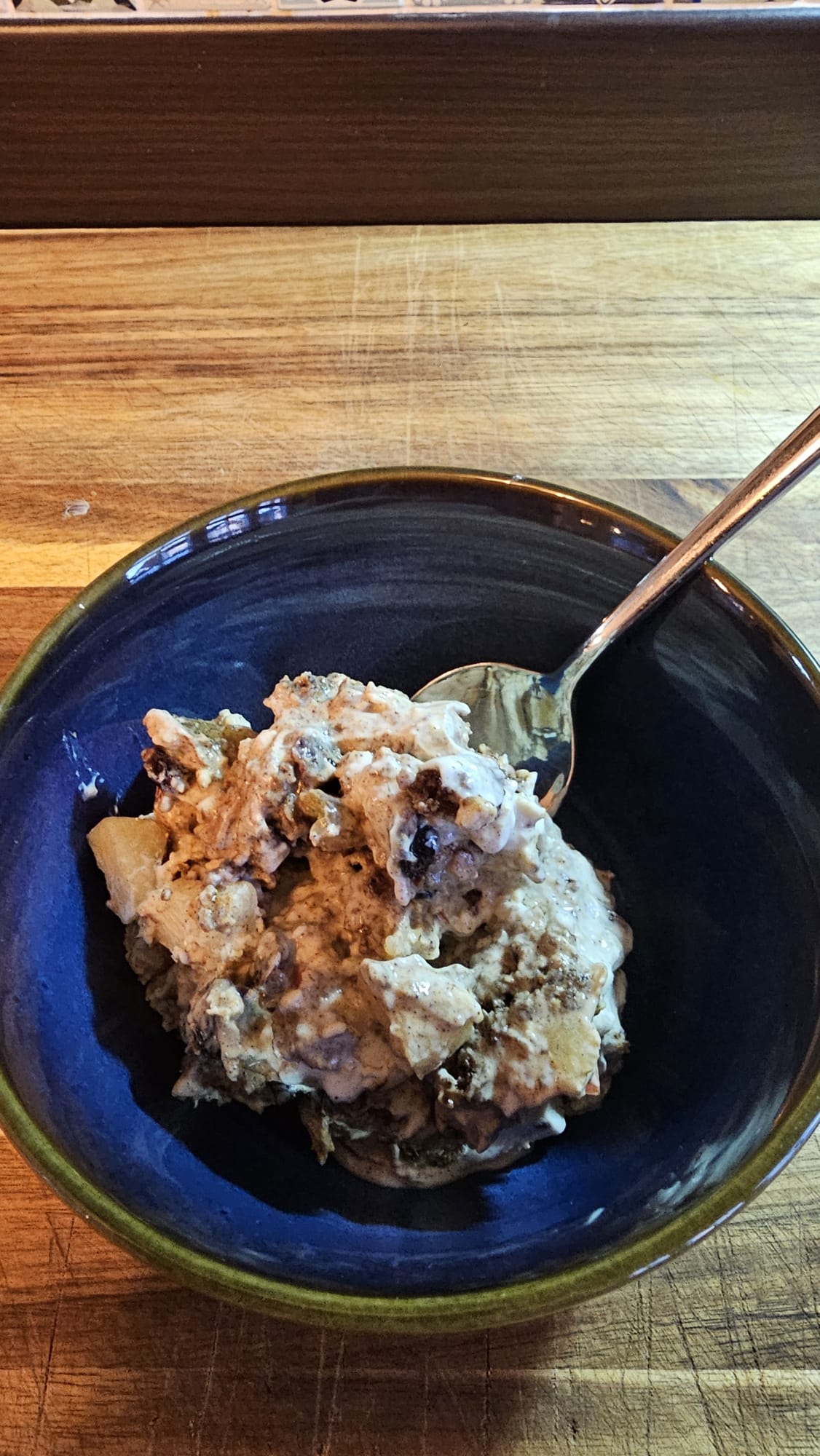
If you usually have leftover Christmas cake, this recipe is for you! Don’t let that delicious cake sit uneaten—turn it into the ultimate Christmas Cake Overnight Oats. 🌟 This festive twist on a classic is not only tasty but super filling, keeping you energized and satisfied all morning long!

✨ What makes it special?
These wholesome ingredients are a powerhouse of nutrition. Want to know more? Check out our posts from earlier this week where we break them down for you. 🌿

💡 Looking for even more festive recipes and ingredient tips? Be sure to explore our page for endless inspiration! And don’t forget, my book ‘For The Brave’ is out now! https://www.for-the-brave.co.uk/

#overnightoats #christmasbreakfast #festivefood #holidayrecipes #breakfastideas #easyrecipes #leftovermagic #christmascake #healthyanddelicious #dontwastefood

04Dec

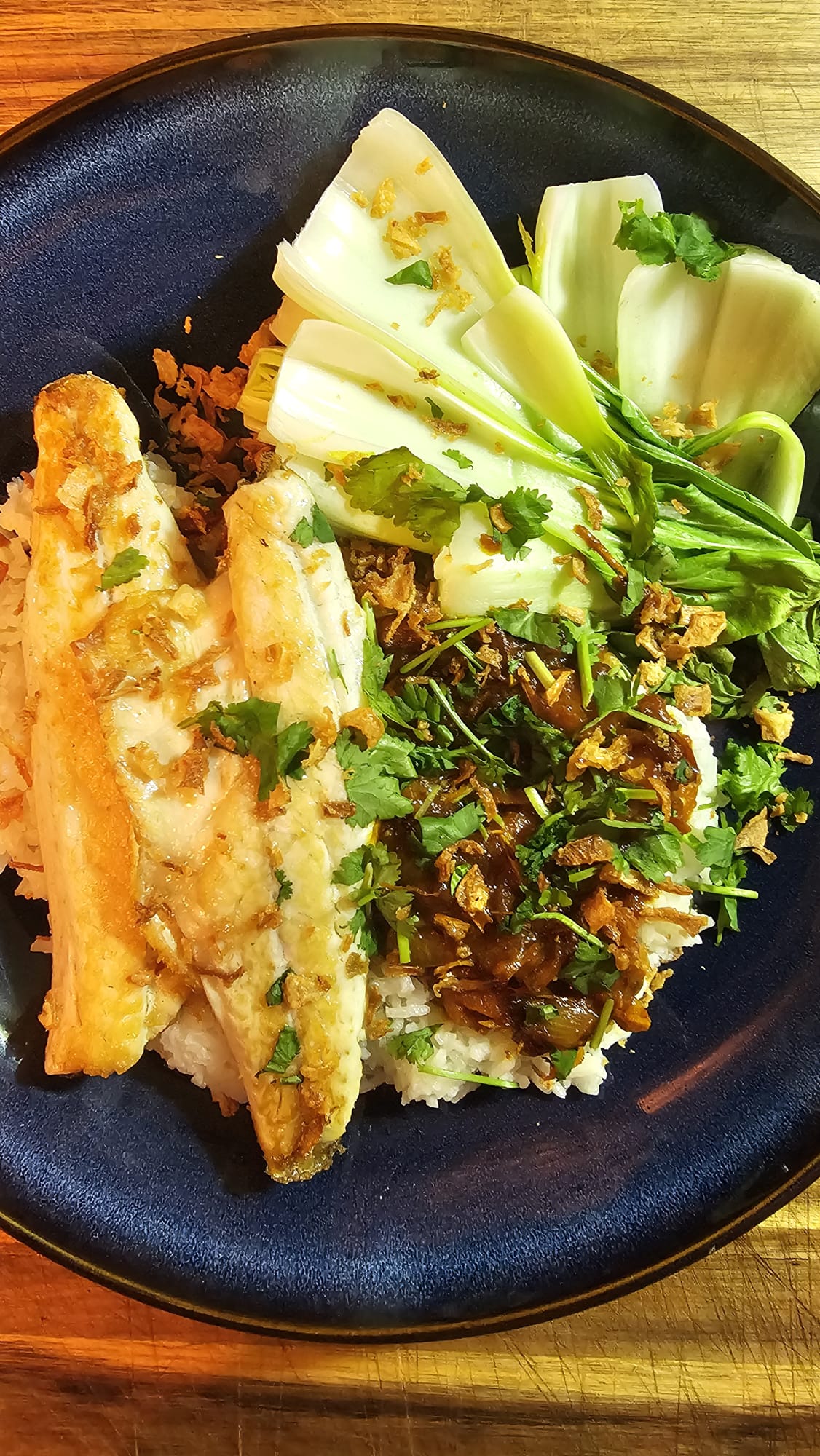
Sea Bass, Sticky Rice, and Pak Cho

Recipes to beat anxiety

Sea Bass Sticky Rice and Pak Choi

Sea Bass, Sticky Rice, and Pak Choi: A Recipe for Flavour and Calm 🥢

Here’s your step-by-step guide to creating this delicious, wholesome meal! Perfect for a cozy night in. 🌿 If you’re curious about how these ingredients can help manage anxiety and panic attacks, check out our posts from earlier this week for all the details. 💚

✨ What’s your go-to comfort meal when you need a little calm in your day? Share below!

📚 Don’t forget—my book, For The Brave, is now available on Amazon (link below)! Grab your copy today and dive into a world of tips, tools, and inspiration to support your mental well-being. 💪

Home


#RecipeForCalm #SeaBass #MentalHealthTips #ForTheBrave

25Nov

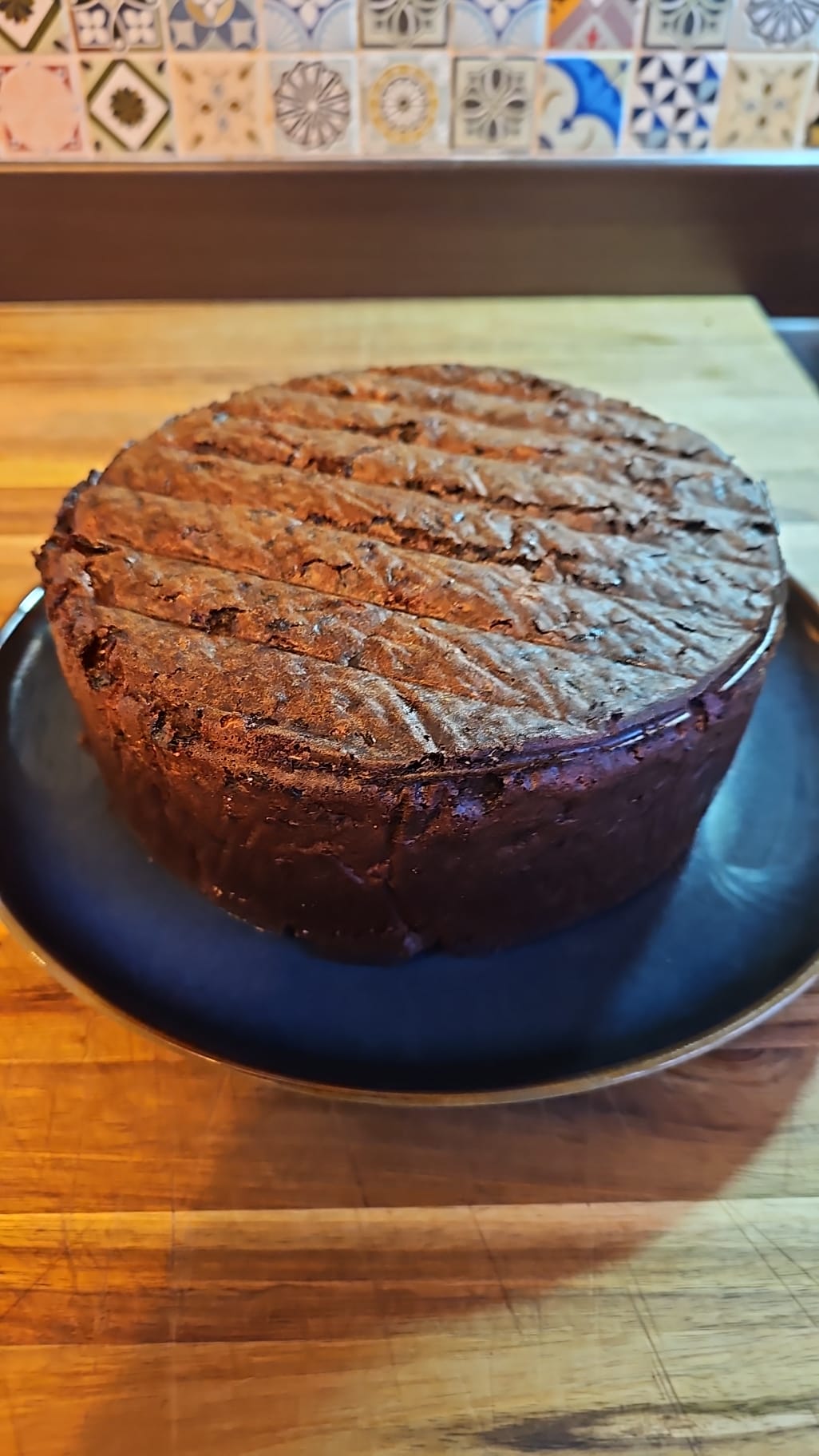
🎄 Last Minute Christmas Cake Recipe! 🍰✨

Recipes to beat anxiety

Last Minute Christmas Cake Recipe

🎄 Last Minute Christmas Cake Recipe! 🍰✨

Do you find yourself running out of time during the festive season? Don’t worry—we’ve got the perfect recipe for you! Watch this step-by-step tutorial to learn how to whip up a delicious Christmas cake just in time for the holidays. 🎥

Fun fact: Some of the ingredients in a Christmas cake can actually help with anxiety and panic attacks! Check out our previous posts to find out how. 🌿

If you try this recipe, let us know how it turns out in the comments! And for more festive recipes and tips, be sure to explore the rest of our page. Happy baking! 🧑‍🍳✨

#christmasbaking #holidaytips #stressrelief #anxietyrelief #panicattacks #anxiety #stress #christmascake #recipevideo #recipetutorial

19Nov

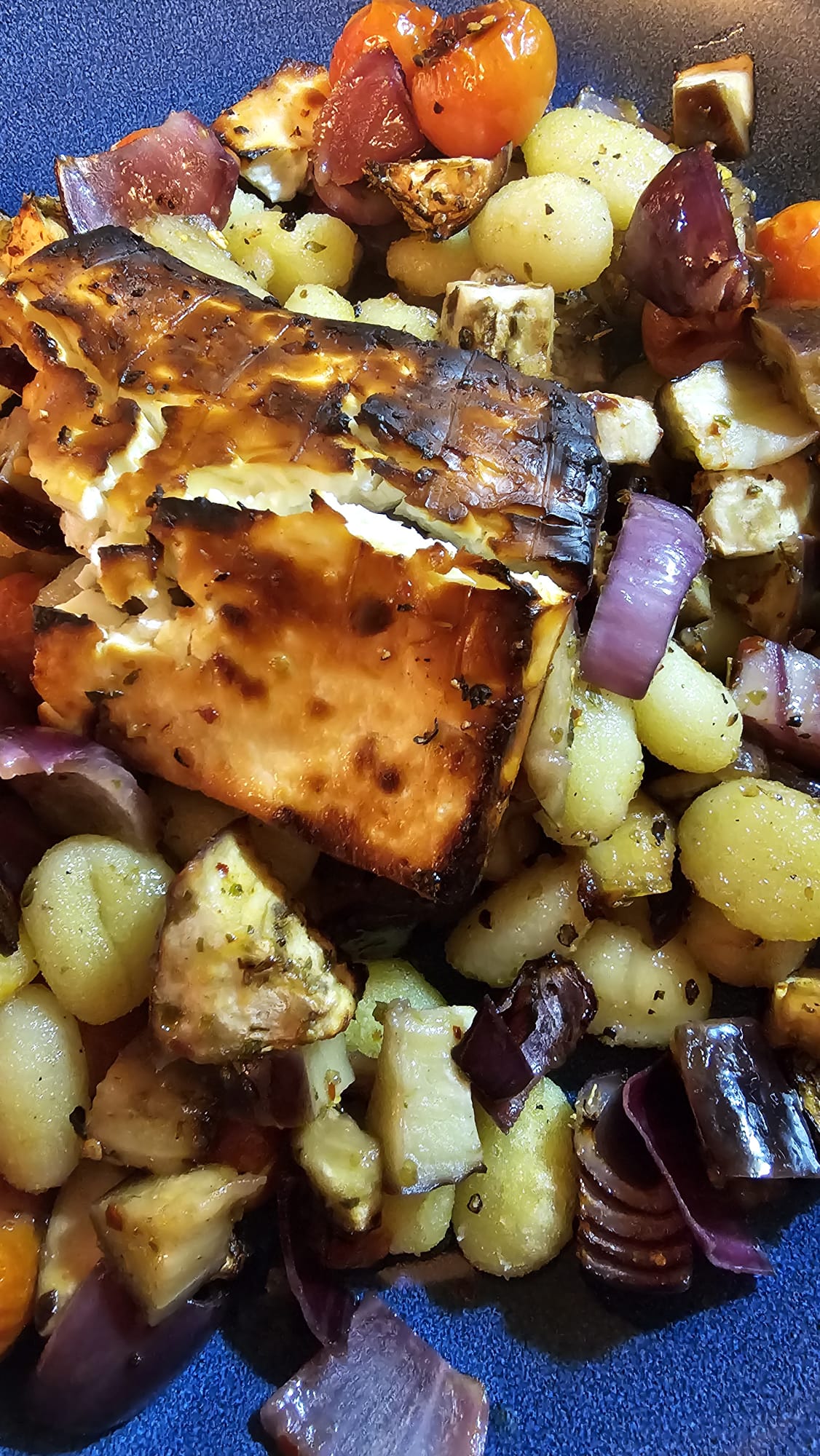
One Tray Honey Baked Greek Cheese and Crispy Gnocchi

Recipes to beat anxiety

🌟 One-Tray Gnocchi Bake with Feta & Aubergine 🌟


This recipe is filled with nutrition that can help reduce anxiety and panic attacks. 🧘‍♀️💚 Check out the rest of our posts this week to learn how each ingredient—from creamy feta to roasted aubergine—can support a calmer, more balanced mind. 🌿🧠

Ready to dive deeper into how nutrition can ease anxiety and stress? 🌈🍴 My book ‘For The Brave’ is now available on Amazon! Link in bio to buy! It’s packed with simple, nourishing recipes like this one and evidence-based tips to help you thrive. 🌟📚

📌 Save this for your next busy night!

🍽️ #easyrecipes #gnocchibake #onepanmeals #nutritionforanxiety #eatformentalhealth #forthebrave #stressreliefrecipes #mindfulcooking

11Nov

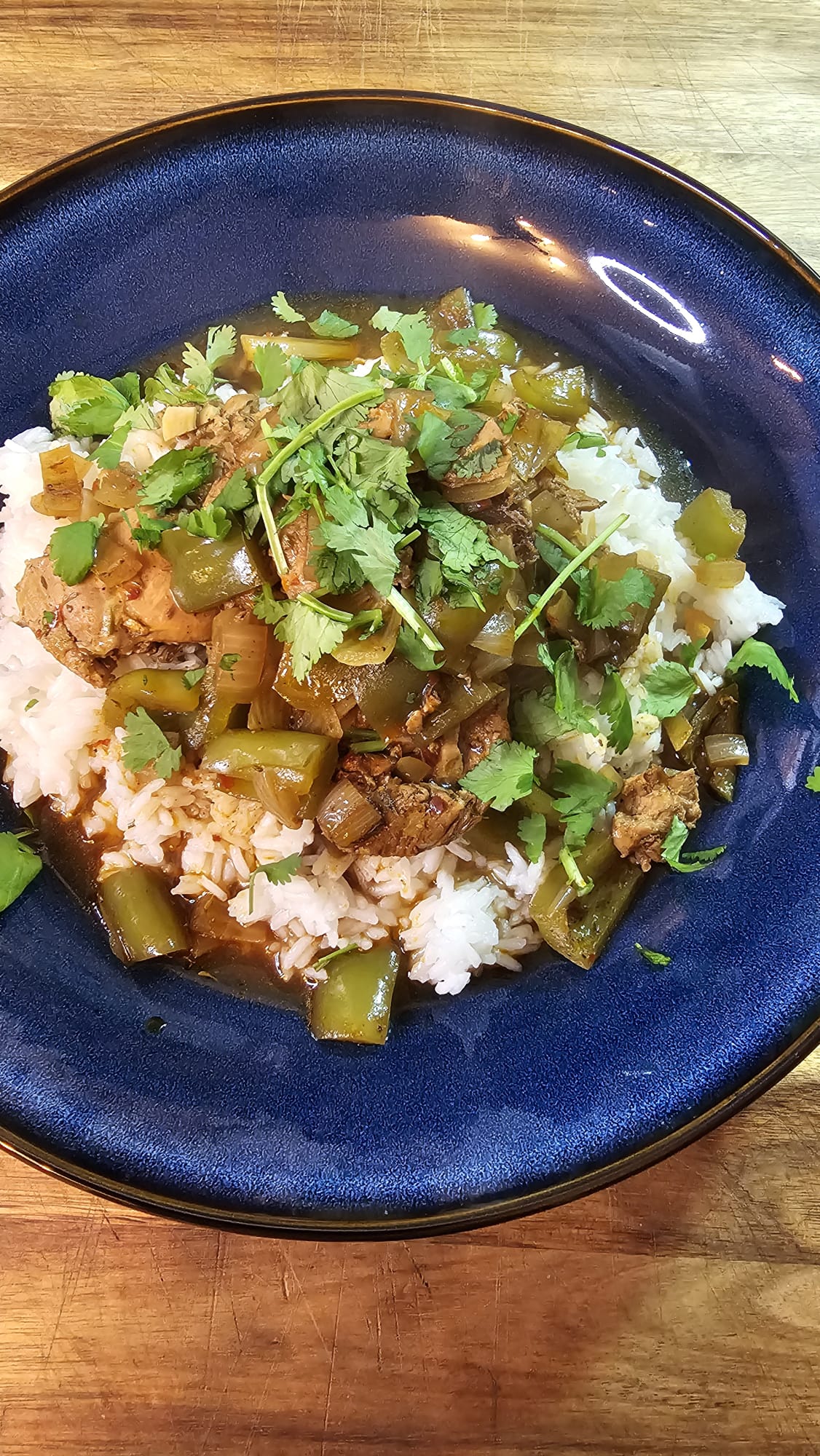
Jamaican-Style Brown Chicken Stew with Rice

Recipes to beat anxiety

Jamaican-Style Brown Chicken Stew with Rice


Check out our posts from this week to learn how this meal can help with relaxation, anxiety relief, and more! 💆‍♀️💫

#jamaicanchickenstew #easyrecipe #comfortfood #healthyeating #anxietyrelief #wellnesscooking #caribbeanflavors #eattorelax #flavorfulfood #foodtherapy

03Nov

5 tips to stop overthinking

Random image

StarsJohanna J Jordan: I wanted to eat healthier, get more protein, but I didn’t want to end up making two different meals, one for me, another for the family. So I just stuck to what I knew but felt uncomfortable about it. I leapt at the chance to read an advance copy and I am so glad I did. I feel much more confident about my food choices, and the flexi suggestions are so helpful because my husband doesn’t want to give up meat.

StarsCharles: Very impressive, extremely informative and knowledgeable.

StarsLynn T: Jen gave me this book to read to help my foster daughter with her panic attacks. Wow! It has genuinely been life-changing. But not just for her, for my entire family. There is no question about it, we now eat healthier meals, do more to combat stress, and can say we truly do lead happier, less rushed lives. Best of all, and I am not just saying this, the information has been so incredibly easy to absorb and take on board, it took next to zero effort.

StarsBev Varley: By just adding three suggested ingredients to boost my normal recipes, I had the comfort of knowing that all the nutrient groups were covered. Not only was it nutritious, it was delicious too. The book was informative; easy to use and above all else, it has given me confidence that I can ensure I am eating the right foods to stay healthy and increase my longevity. This should be every cook’s new bible, a long-awaited but crucial addition to the literature on healthy eating!

StarsMari Ngonye: I’ve struggled with panic attacks for the last five years and to be honest, kind of figured this was going to it for the rest of my life. Not only are there loads of approaches specifically to help shorten or even stop panic attacks, which alone is worth it’s weight in gold, it explained so much. I am now in a much, much better place and can genuinely begin to see a spot of hope.

StarsMillificent: We know we’ve got to eat less meat to save the planet. But if we all end up in hospital or needing long term health care because we’ve f****d up our health, that has its own environmental cost, doesn’t it? I’ve ordered copies of this book for family and friends. I only hope they read it and enjoy it as much as I did. U can lead a horse to water and all that…

StarsRachel Lior: The recipe design is inspired. I am not one for reading a whole book. Sure, I intend to, but more often I glance at a couple of recipes, make some of them, then I’m done. I know this is rare, but jen’s book has a very different approach, and it works. If you hate the idea of another book about anxiety that you probably won’t read, give this one a chance.

StarsMeg Tully: I wanted to eat healthier meals, but I never seemed to manage. I’d start out full of optimism, but by week five or six I’d be running out of ideas, and I’d be questioning myself. This book has been EXACTLY what I wanted because it’s shown me what nutrients the meals delivered. It’s removed so many of my doubts and worries.

StarsGrace: If I could give this book ten stars I would. When I was asked if I’d like to read it, I confess I was in two minds. I liked the idea behind the book, but I didn’t think I would be able to commit the energy needed.I was so wrong! It was funny, clever, and so easy to read. And did it help with anxiety? OMG YES! My son suffers with panic attacks, and we now have a collection of tools that actually work to help make them pass quicker, and have less of an impact. If you struggle with anxiety, panic attack, depression, do yourself a favour and get this book as soon as you can.

StarsSarah E: I was given this book to read in order to get my review. To be honest, I felt a little awkward about it because I dreaded having to lie and tell Jen I loved it, when I didn’t. Luckily, there has been zero need for lies. If you or anyone in your family struggles with depression, anxiety, stress, panic attacks, high blood sugar, and wants to do everything they can to tips the odds of healing in their favour, GRAB THIS BOOK. I promise, you won’t regret it.

StarsSusan Strutte: I was given this book for my vegan daughter to read. She had been suffering from dizzy spells, and I was concerned she was not getting sufficient nutrition in her diet. Within weeks of following these delicious recipes, she is feeling and looking a lot healthier and find the meals easy to create.

StarsDr Ayesha Ashraf, clinical psychologist Well written, comprehensive information related to panic attacks, anxiety and stress. The contemporary approaches used in conjunction with psychotherapy are highlighted on point. The use of analogy to explain stress developing into anxiety and panic attacks is beautifully mentioned to be easily grasped by the layman.”

StarsAndrew C: The cost of this book is paid for ten times over through the info on one single page alone. The boom page. Life-changing. For me, all the other pages are just bonuses. If you battle with anxiety and panic attacks, get this book.

anxiety-overthinking-5 tips to stop overthinking
Your mind just won't shut up, The same worry churns round and round, and when it's not stressing you out, it's boring you witless, but somehow you can't make it stop? That's overthinking.

It's when your brain goes into overdrive, and your mind starts creating all these "what if" scenarios, most of which could never happen, but they feel super real at the time. It's exhausting, and to make matters worse, all this mental spinning doesn't actually solve anything – it just keeps you stuck in a loop of worry.

That's why it's so important to try and put the brakes on overthinking. When you can quiet that noisy mind, you give yourself a chance to relax, see things more clearly, and actually deal with what's really going on. It's not easy, but learning to dial down the overthinking can be a game-changer for your stress levels and overall peace of mind.
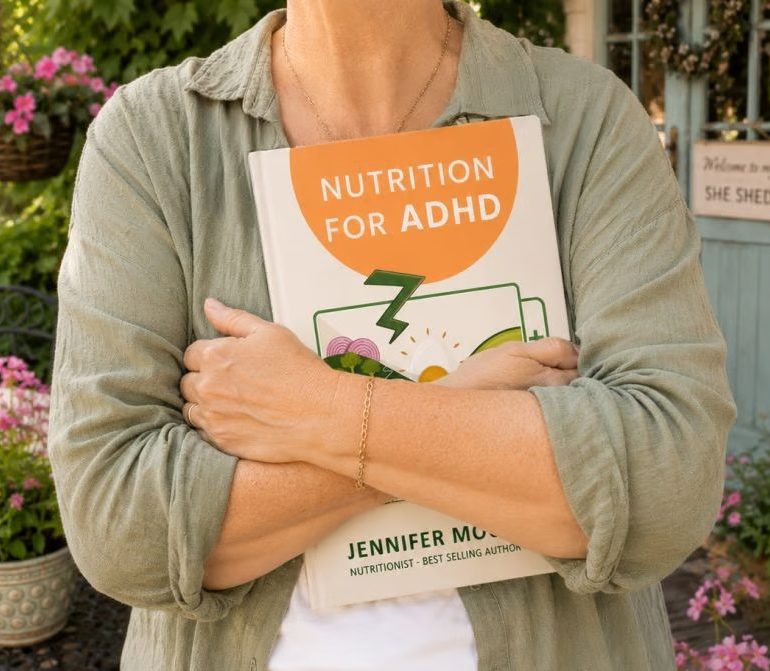
For a deeper understanding of overthinking with respect to stress, anxiety, and panic attacks, you can explore the book, For the Brave.

  • Practice Mindfulness:
    Focus on the present moment through mindfulness techniques like deep breathing or meditation. This helps break the cycle of overanalysing past or future events. There's a fantastic app called Paced Breathing that I highly recommend.
  • Set Time Limits for Decision-Making:
    Give yourself a set amount of time to make decisions or think about an issue. "I will think about this for twenty minutes after lunch." Once the time is up, move on to action or acceptance.
  • Challenge Negative Thoughts:
    When you catch yourself overthinking, ask yourself if your thoughts are based on facts or assumptions. Ask yourself, "Is this true? Do I have definitive proof that it happened this way?" Reframe negative thoughts into more balanced, realistic ones.
  • Engage in Physical Activity:
    Exercise can clear your mind and reduce stress. It helps shift your focus away from overthinking and boosts your mood with endorphins. If you're not wild about exercise, a power walk through your local shopping mall can be better than sitting at home fretting in circles.
  • Create a Distraction:
    Read a book, talk to a friend, cook or bake something, something that needs you to pay attention and focus. Distractions can help break the mental loop of overthinking and shift your attention to something positive or productive, and often, while you're not stewing on the problem, helpful answers have a way of floating up out of nowhere.

Overthinking is like when you work too hard to be a friend to someone. they get suspicious, back away, don't want to know you, and the harder you try, the less interested they are. When you play hard to get, things can change.

For more ways to beat stress and ease anxiety

01Nov

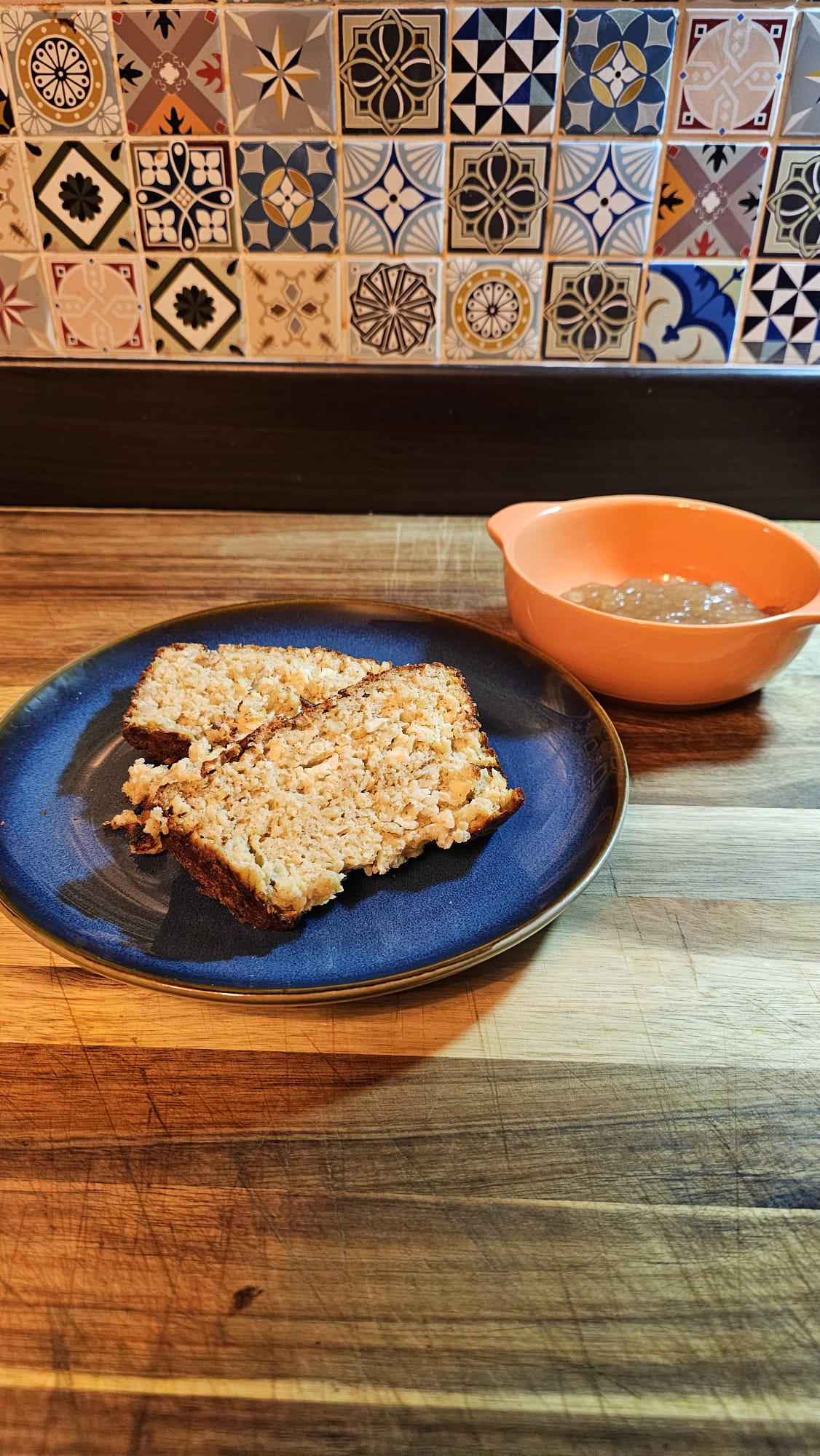
Cottage Cheese Bread & Apple Jam

Recipes to beat anxiety

Cottage Cheese Bread and Apple Jam


Start your day with this perfectly balanced, high-protein breakfast or enjoy it as a tasty post-workout snack! Packed with natural protein, healthy carbs, and a hint of sweetness, it’s a recipe that hits all the marks for taste and nutrition! 🙌

✨ Ingredients and nutrition details are covered in our earlier posts this week — don’t miss out on all the benefits! 💪

Give it a try and let us know if you bake it! We’d love to see your creations! 🤩

#cottagecheesebread #applejam #healthybreakfast #highprotein #postworkoutsnack #homemadegoodness #bakingfromscratch #healthyeating #anxietyrelief #anxietysupport

01Nov

Spicy Pumpkin Soup!

Recipes to beat anxiety

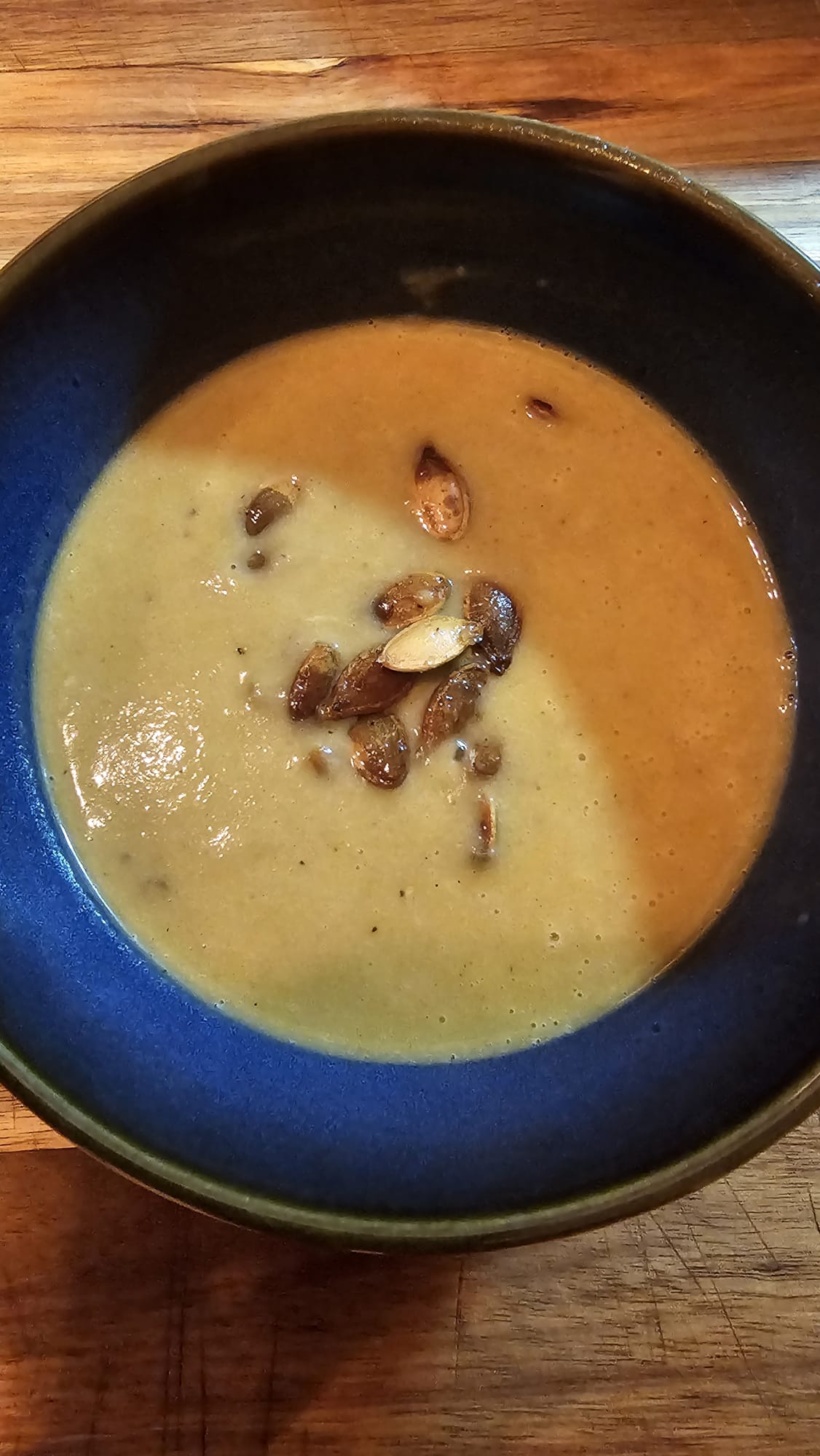
Spicy Pumpkin soup


This easy recipe is perfect for chilly days and can be adjusted to match your spice preference. Don’t forget to check out our other posts from this week to learn all about the health benefits of each ingredient. 🍲✨

A delicious way to enjoy autumn flavors while nourishing your mind and body!

#pumpkinsoup #spiceitup #stressrelief #anxietysupport #spiceupyourlife #healthyliving #calmingspice #MindfulEating #holistichealth #wellnessjourney #healthyrecipes

01Nov

Vietnamese-Style Pork Bun Cha Noodles

Recipes to beat anxiety

Vietnamese-Style Pork Bun Cha Noodles


Earlier this week, we explored how ingredients like mooli, rice noodles, fish sauce, and pho broth paste can help to calm symptoms of anxiety and stress 🧘‍♀️ Check out our posts to learn more about these ingredients 💚

#BunCha #VietnameseCuisine #HealthyEating #MindfulEating #ComfortFood #AnxietyRelief #NourishingMeals #PhoBroth #FreshHerbs #FoodForTheSoul #AsianCuisine #HealthBenefits #AnxietyRelief #GutHealth #FridayRecipe #nutritionfacts #nutritiontips #nutrition #anxiety #stress #stressrelief

28Oct

8 foods that can impact anxiety

Random image

StarsBev Varley: By just adding three suggested ingredients to boost my normal recipes, I had the comfort of knowing that all the nutrient groups were covered. Not only was it nutritious, it was delicious too. The book was informative; easy to use and above all else, it has given me confidence that I can ensure I am eating the right foods to stay healthy and increase my longevity. This should be every cook’s new bible, a long-awaited but crucial addition to the literature on healthy eating!

StarsMillificent: We know we’ve got to eat less meat to save the planet. But if we all end up in hospital or needing long term health care because we’ve f****d up our health, that has its own environmental cost, doesn’t it? I’ve ordered copies of this book for family and friends. I only hope they read it and enjoy it as much as I did. U can lead a horse to water and all that…

StarsGrace: If I could give this book ten stars I would. When I was asked if I’d like to read it, I confess I was in two minds. I liked the idea behind the book, but I didn’t think I would be able to commit the energy needed.I was so wrong! It was funny, clever, and so easy to read. And did it help with anxiety? OMG YES! My son suffers with panic attacks, and we now have a collection of tools that actually work to help make them pass quicker, and have less of an impact. If you struggle with anxiety, panic attack, depression, do yourself a favour and get this book as soon as you can.

StarsDr Ayesha Ashraf, clinical psychologist Well written, comprehensive information related to panic attacks, anxiety and stress. The contemporary approaches used in conjunction with psychotherapy are highlighted on point. The use of analogy to explain stress developing into anxiety and panic attacks is beautifully mentioned to be easily grasped by the layman.”

StarsSusan Strutte: I was given this book for my vegan daughter to read. She had been suffering from dizzy spells, and I was concerned she was not getting sufficient nutrition in her diet. Within weeks of following these delicious recipes, she is feeling and looking a lot healthier and find the meals easy to create.
StarsAndrew C: The cost of this book is paid for ten times over through the info on one single page alone. The boom page. Life-changing. For me, all the other pages are just bonuses. If you battle with anxiety and panic attacks, get this book.

StarsRachel Lior: The recipe design is inspired. I am not one for reading a whole book. Sure, I intend to, but more often I glance at a couple of recipes, make some of them, then I’m done. I know this is rare, but jen’s book has a very different approach, and it works. If you hate the idea of another book about anxiety that you probably won’t read, give this one a chance.
StarsLynn T: Jen gave me this book to read to help my foster daughter with her panic attacks. Wow! It has genuinely been life-changing. But not just for her, for my entire family. There is no question about it, we now eat healthier meals, do more to combat stress, and can say we truly do lead happier, less rushed lives. Best of all, and I am not just saying this, the information has been so incredibly easy to absorb and take on board, it took next to zero effort.

StarsSarah E: I was given this book to read in order to get my review. To be honest, I felt a little awkward about it because I dreaded having to lie and tell Jen I loved it, when I didn’t. Luckily, there has been zero need for lies. If you or anyone in your family struggles with depression, anxiety, stress, panic attacks, high blood sugar, and wants to do everything they can to tips the odds of healing in their favour, GRAB THIS BOOK. I promise, you won’t regret it.

StarsCharles: Very impressive, extremely informative and knowledgeable.

StarsMeg Tully: I wanted to eat healthier meals, but I never seemed to manage. I’d start out full of optimism, but by week five or six I’d be running out of ideas, and I’d be questioning myself. This book has been EXACTLY what I wanted because it’s shown me what nutrients the meals delivered. It’s removed so many of my doubts and worries.

StarsMari Ngonye: I’ve struggled with panic attacks for the last five years and to be honest, kind of figured this was going to it for the rest of my life. Not only are there loads of approaches specifically to help shorten or even stop panic attacks, which alone is worth it’s weight in gold, it explained so much. I am now in a much, much better place and can genuinely begin to see a spot of hope.

StarsJohanna J Jordan: I wanted to eat healthier, get more protein, but I didn’t want to end up making two different meals, one for me, another for the family. So I just stuck to what I knew but felt uncomfortable about it. I leapt at the chance to read an advance copy and I am so glad I did. I feel much more confident about my food choices, and the flexi suggestions are so helpful because my husband doesn’t want to give up meat.

anxiety-foods-avoid-refined-carbs8 foods that can impact anxiety

There's a difference between allergies and intolerances versus foods that we should avoid in general. These foods in the list below can cause or worsen anxiety through effects on blood sugar, neurotransmitters, or stress hormones. Being aware of how they impact your body can help you better manage anxiety through diet. That said, this list isn't meant to be a "never, ever eat these foods ever again!!" But, if you're struggling with anxiety and absolutely hating your life right now, and many of the below feature in your diet on a daily basis, it might be an idea to explore a change.

For a deeper understanding of the foods and drinks to avoid with respect to stress, anxiety, and panic attacks, you can explore my book, For the Brave.

  1. Ultra-processed foods
    Basically foods that have been processed, often using techniques that aren't typically found in home cooking and contain ingredients like preservatives, sweeteners, emulsifiers, artificial colours, and flavours. They may also contain added oils, fats, starches, protein substances, or enzymes.
  2. Processed Meats
    Foods like sausages and bacon contain high levels of preservatives, which can increase inflammation and stress hormone production.
  3. Dried Fruit 
    High in concentrated sugars, dried fruit can spike blood sugar levels, contributing to anxiety and restlessness.
  4. Refined carbohydrates
    Simple carbohydrates like white bread and pasta can cause blood sugar spikes, leading to mood swings and anxiety.
  5. Artificial Sweeteners
    Ingredients like aspartame, often found in sugar-free products, may disrupt neurotransmitter function, increasing anxiety.
  6. MSG (monosodium glutamate)
    This flavour enhancer can trigger headaches and anxiety in some people.
  7. Gluten (for some people)
    For those sensitive to gluten, eating it can trigger mood swings and anxiety due to its effect on the digestive and nervous systems.
  8. Ketchup
    High in sugar and additives, ketchup can lead to blood sugar spikes, which may exacerbate anxiety symptoms.
  9. Soy Sauce
    Contains high levels of sodium and sometimes gluten, both of which can cause inflammation and mood changes.

For more ways to beat stress and ease anxiety

28Oct

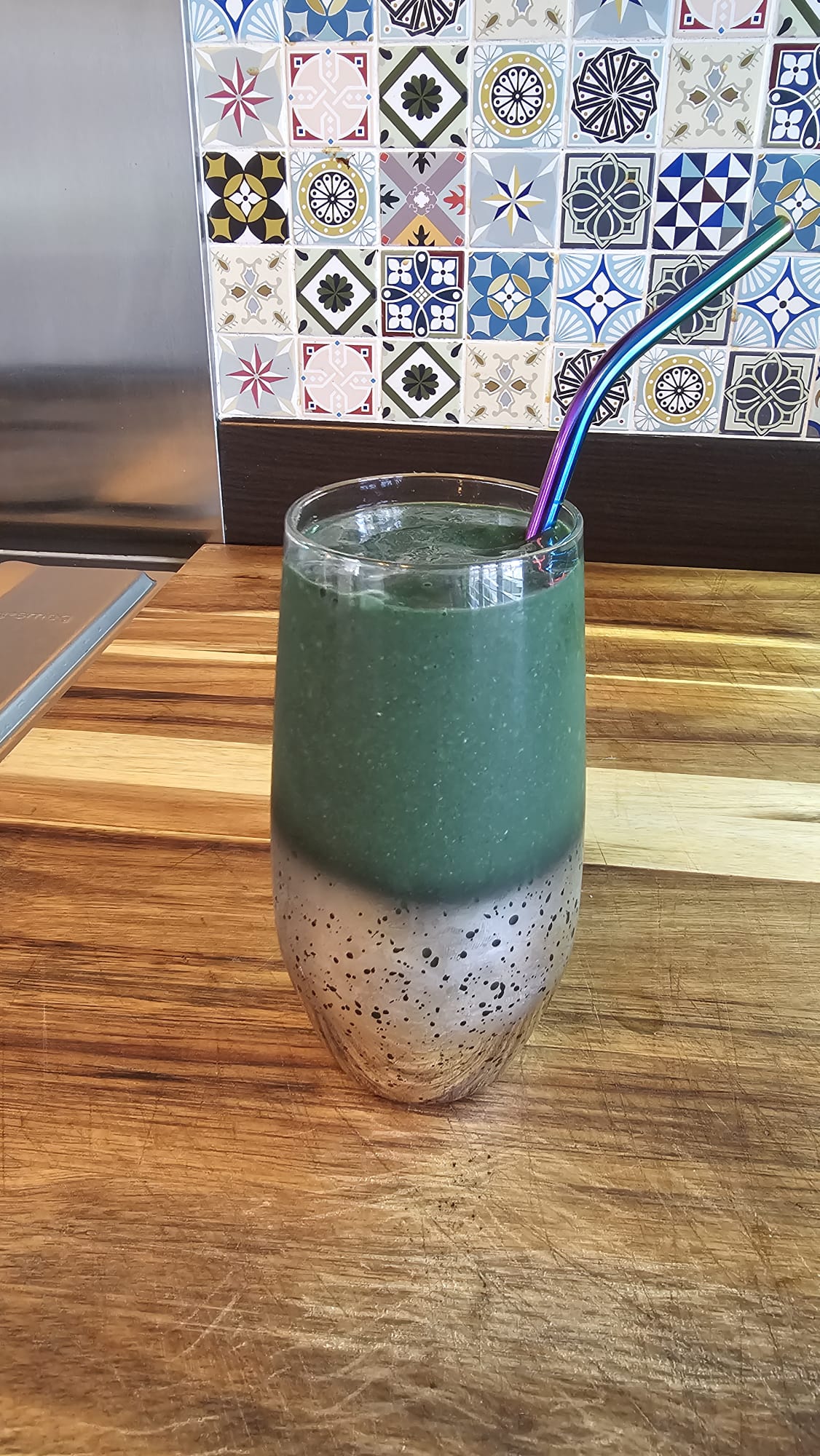
Tropical Spirulina Smoothie

Recipes to beat anxiety

Tropical Spirulina Smoothie

Craving something quick, easy, and packed with nutrients? 🌱🍍 Try this tropical spirulina smoothie! 🥭🍌 It’s the perfect refreshing boost for breakfast or a post-workout snack. Blend it all together in under 5 minutes and fuel your day with vibrant flavors and superfood goodness! 💪✨

Want to know more about the ingredients and how they can Boost! your physical and mental health? Check out our other posts from this week for all the details!

#HealthyLiving #SmoothieRecipe #TropicalVibes #SuperfoodFuel #HealthyEating #AnxietySupport #anxietyrelief #anxiety #stress #nutritionfacts #nutritiontips

28Oct

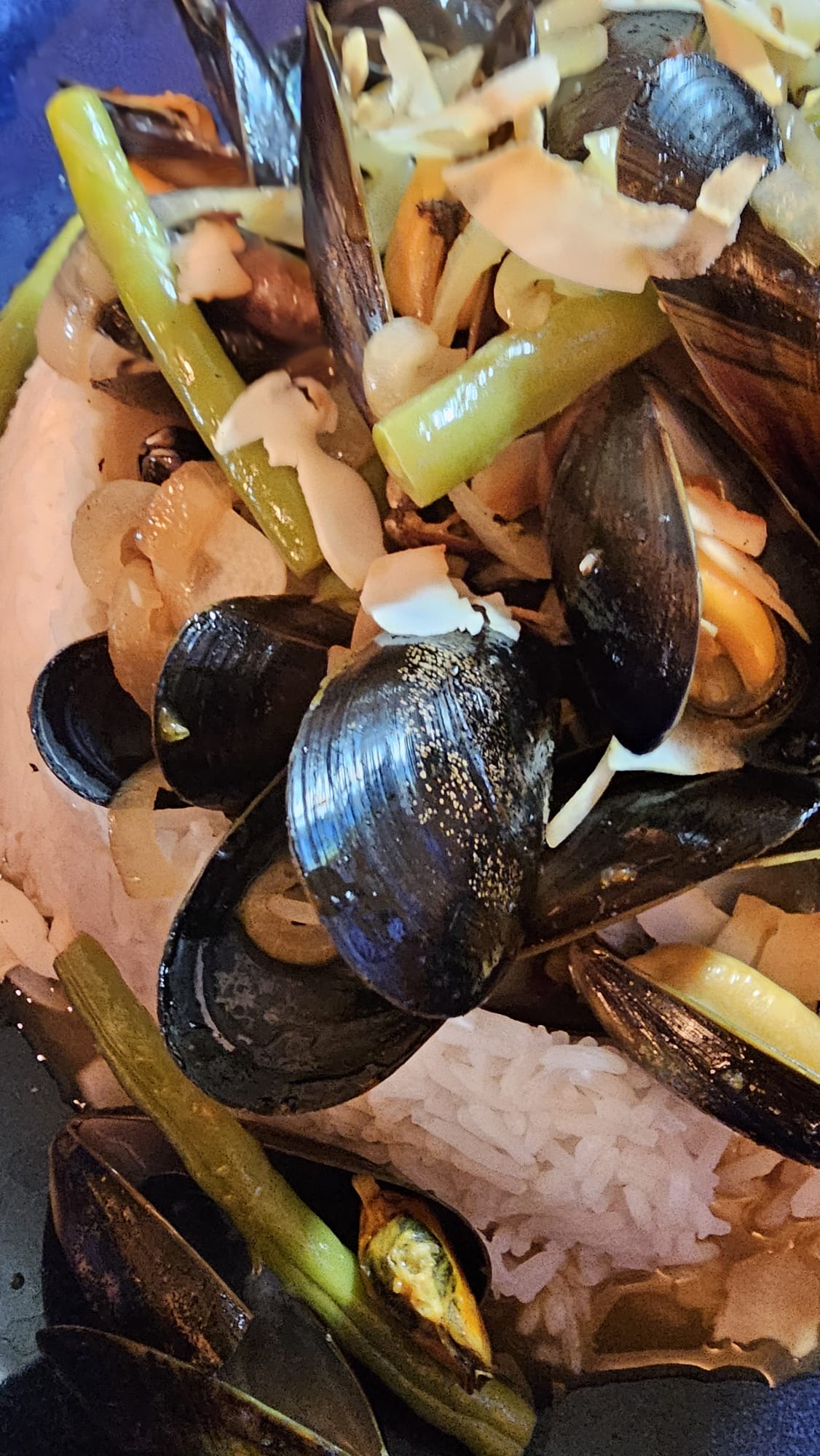
Coconut Sambal Muscles

Recipes to beat anxiety

coconut Sambal Mussels

🌴🥥 Coconut Sambal Mussels with Rice 🍚🔥

This spicy, creamy, and comforting dish is packed with flavor and easy to make! Mussels, coconut, and sambal come together for the perfect balance of heat and creaminess. If you’re looking for meals that can help manage anxiety, this one’s for you!

✨ Want to learn how these ingredients can support anxiety relief? Check out our posts from the rest of this week to learn more about the nutrients that make this dish Boosted!

Don’t forget to explore our other Boosted! Recipe videos for more delicious meals designed to help you manage stress and anxiety. 🙌

28Oct

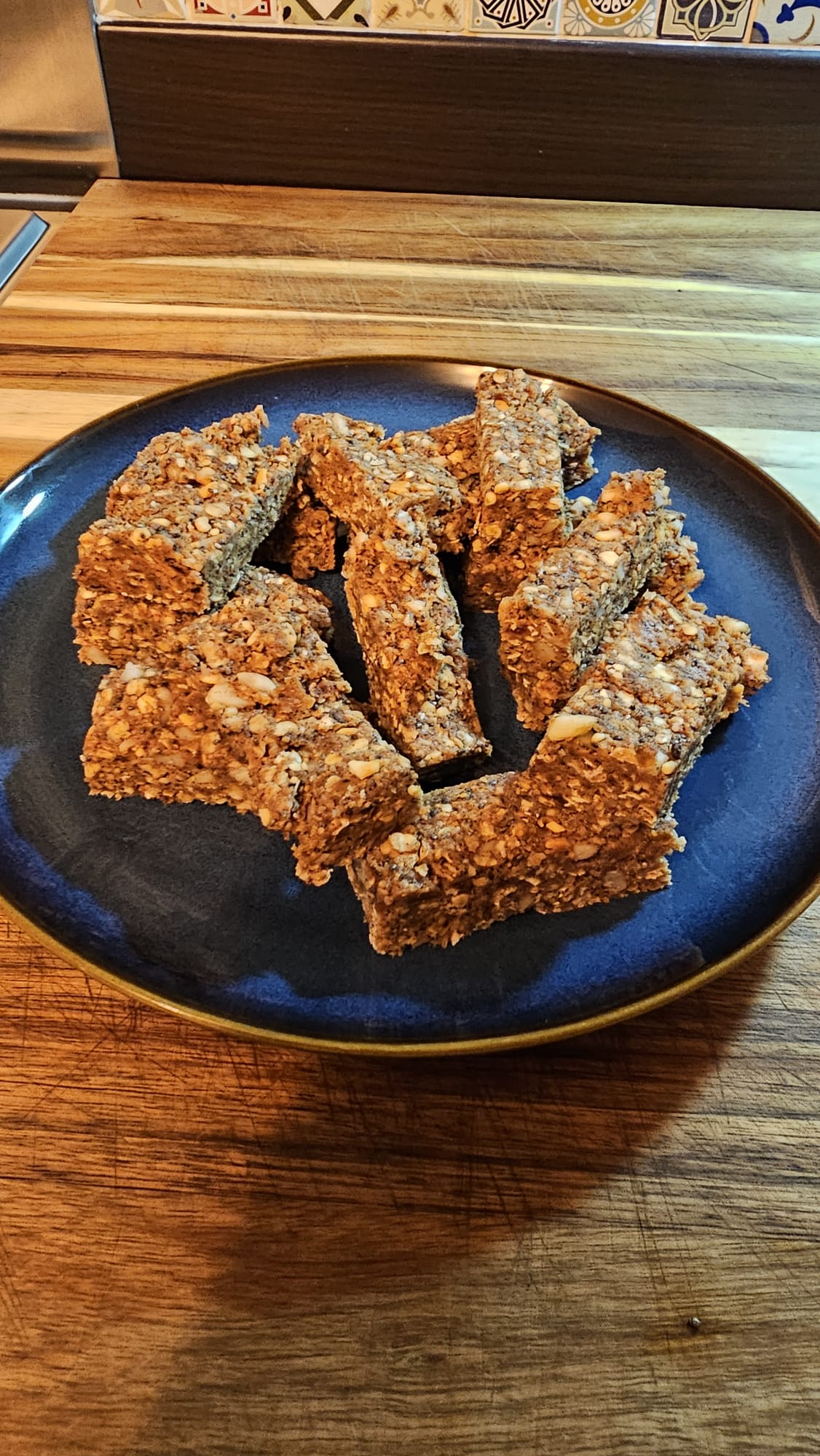
Protein Bars

Recipes to beat anxiety

No Bake Protein Bars

No-Bake Fig, Date & Nut Protein Bars! 🥜🍫 Perfect for breakfast or a post-workout snack! Packed with protein to keep you full and satisfied longer 💪

Plus, this recipe is Boosted! meaning the ingredients can help you manage stress & anxiety 😌🌿 Check out our page to learn more about how each ingredient can benefit your physical and mental health!

#NoBake #ProteinBars #HealthySnacks #StressRelief #MindfulEating #AnxietySupport #anxietyrelief #stressrelief #stress #anxiety #nutritionfacts #nutritiontips #recipe #recipetutorial